
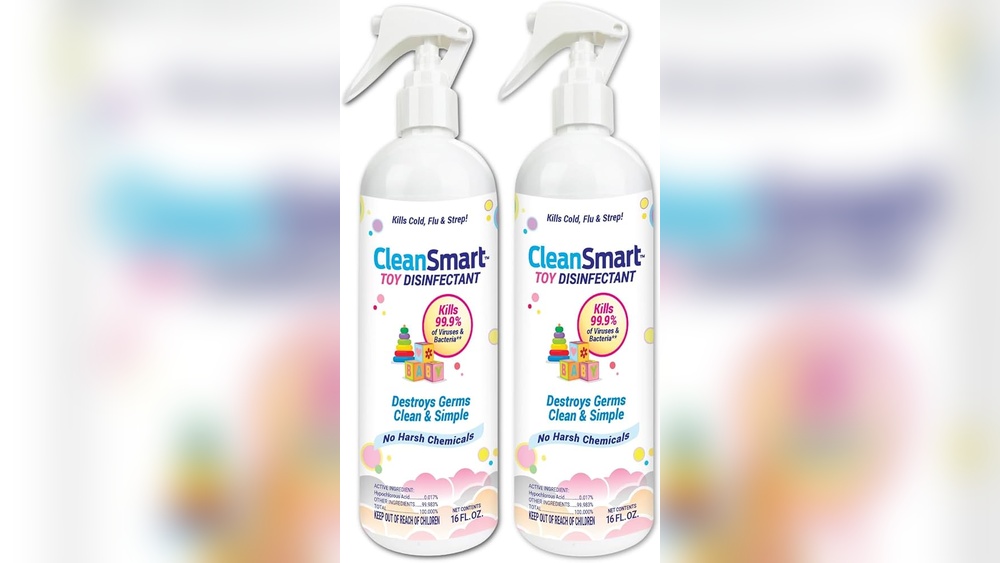
You want your child’s toys to be clean and safe, but you worry about harmful residues left behind after washing. How do you make sure toys are truly clean without risking your family’s health?
You’re about to discover simple, effective ways to clean toys that leave no sticky or toxic residue. Keep reading, and you’ll learn easy tips to protect your loved ones while keeping their favorite playthings spotless. Your peace of mind is just a few steps away.

Credit: www.lowes.com
Choosing Safe Cleaning Agents
Choosing safe cleaning agents is important for keeping toys clean and safe. Some cleaners leave harmful residue on toys. This residue can cause allergies or skin irritation in children. Using safe, gentle cleaning agents helps protect kids’ health. It also keeps toys in good condition longer.
Natural Ingredients To Use
Natural ingredients clean toys well without harsh chemicals. White vinegar is a strong cleaner and kills germs. Mix it with water for a safe cleaning solution. Baking soda is gentle and removes stains and odors. Lemon juice has natural antibacterial properties and a fresh scent. Soap made from olive oil or castile is mild and safe for toys. These ingredients rinse off easily and leave no harmful residue.
Avoiding Harmful Chemicals
Many commercial cleaners contain chemicals that can harm children. Avoid products with bleach, ammonia, or strong fragrances. These chemicals can irritate skin and cause breathing problems. Some cleaners leave a sticky or slippery residue on toys. This can attract dirt or make toys unsafe to hold. Always read labels and choose products made for baby or child use. When in doubt, stick to natural or simple soap solutions.

Credit: vietnamnews.vn
Preparing Toys For Cleaning
Preparing toys for cleaning is the first step to keep them safe and spotless. Proper preparation helps remove dirt and germs without damaging the toys. It also prevents leaving any cleaning residue behind.
Before cleaning, organizing toys carefully saves time and ensures the right method for each one. Sorting and removing certain parts protect electronics and delicate materials during the wash. This makes the cleaning process smooth and effective.
Sorting By Material Type
Separate toys by their material to choose the best cleaning method. Hard plastic toys can usually handle water and soap. Soft toys or plush ones need gentle cleaning or spot treatment. Wooden toys require special care to avoid water damage. Sorting helps avoid using the wrong cleaning product on certain toys.
Removing Batteries And Electronic Parts
Take out batteries from all electronic toys before cleaning. Water or cleaning liquids can damage circuits and cause rust. Remove any detachable electronic parts to clean the toy safely. Use a dry cloth to wipe these parts instead of water. This step protects your toys and keeps them working well.
Cleaning Methods For Different Toys
Cleaning toys properly keeps children safe and healthy. Different toys need different cleaning methods. This helps remove dirt and germs without leaving residue. Follow simple steps for each type of toy to make sure they are clean and safe for play.
Washing Plastic And Rubber Toys
Plastic and rubber toys can be washed with warm water and mild soap. Use a soft cloth or sponge to scrub the surface gently. Rinse toys well under running water to remove all soap. Dry completely with a clean towel or air dry. Avoid harsh chemicals that can leave residue and harm children.
Cleaning Fabric And Plush Toys
Fabric and plush toys need gentle cleaning to keep their softness. Check the care label before washing. Most can be cleaned in a washing machine on a gentle cycle. Use mild detergent and cold water. For small spots, use a damp cloth with mild soap. Let toys air dry fully to prevent mold or mildew.
Disinfecting Electronic Toys Safely
Electronic toys require careful cleaning to avoid damage. Use a soft cloth slightly dampened with water or a mild disinfectant. Avoid getting water inside the toy. Wipe down buttons and surfaces gently. Let the toy dry completely before use. This method kills germs without harming electronics or leaving residue.
Drying And Storing Toys
After cleaning toys, drying and storing them properly is very important. Wet toys can grow mold or bacteria. Storing toys right keeps them clean and ready to use.
Drying removes leftover moisture that can cause damage or smells. Proper storage stops dirt and dust from settling on toys. Both steps help keep toys safe and fresh for kids.
Effective Drying Techniques
Air drying is the best way to remove water. Place toys on a clean towel in a well-ventilated area. Avoid direct sunlight to prevent fading or warping.
For small toys, use a soft cloth to pat dry. Make sure to dry inside crevices and holes. A hairdryer on cool setting can help dry hard-to-reach spots.
Never store toys while they are still damp. Moisture trapped inside toys leads to bad odors and mold growth. Always check toys are completely dry before storing.
Proper Storage To Prevent Dirt
Store toys in clean, dry containers or bins with lids. This keeps dust and dirt away. Clear containers help find toys quickly without opening them.
Use breathable fabric bags for soft or stuffed toys. Avoid plastic bags that trap moisture. Label containers to keep toys organized by type or size.
Keep storage areas cool and dry. Avoid basements or garages that may be damp. Regularly clean storage spaces to keep toys fresh and safe.
Tips To Avoid Residue Buildup
Cleaning toys is important for your child’s health. But leftover soap or cleaner can cause residue buildup. This residue can make toys sticky or unsafe. Avoiding residue keeps toys clean and safe. Follow simple tips to clean toys without leaving residue behind.
Rinsing Thoroughly
Rinse toys well under running water after cleaning. Make sure all soap or cleaner is washed off. Pay attention to small crevices and hard-to-reach spots. Use your fingers or a soft brush to remove trapped soap. Proper rinsing stops residue from forming on toys.
Using Minimal Cleaning Solutions
Use only a small amount of soap or cleaner. Too much product is hard to rinse off. Dilute strong cleaners with water before use. Mild soaps work best for delicate toy materials. Using less cleaner reduces the chance of residue buildup.

Credit: www.amazon.com
Frequently Asked Questions
How Can I Clean Toys Without Leaving Residue?
Use mild soap and warm water to clean toys. Rinse thoroughly to remove all soap traces. Avoid harsh chemicals for safe, residue-free cleaning.
What Is The Best Solution For Cleaning Toys Safely?
A mixture of water and white vinegar works well. It disinfects without leaving harmful residue. Always rinse toys well after cleaning.
Can I Use Natural Products To Clean Toys?
Yes, natural products like baking soda and vinegar are effective. They clean and disinfect without chemical residues. Always rinse toys after use.
How Often Should I Clean Children’s Toys?
Clean toys weekly or after each use if dirty. Regular cleaning prevents bacteria buildup and keeps toys safe for kids.
Conclusion
Cleaning toys without leaving residue keeps children safe and happy. Use gentle soaps and rinse well to avoid sticky leftovers. Choose natural cleaners for a safer, residue-free clean. Dry toys completely to stop germs from growing. Regular cleaning helps toys last longer and stay fresh.
Simple steps make toy cleaning quick and easy. Keep these tips in mind for a clean, safe playtime.
