
If you have kids who love to share their toys, you know how quickly germs can spread. Keeping those toys clean is not just about hygiene—it’s about protecting your children from getting sick.
But how do you clean toys properly without wasting time or damaging them? You’ll discover simple, effective ways to clean toys shared by multiple kids. By the end, you’ll feel confident that your children are playing safely, and you’ll have practical tips you can start using right away.
Ready to make your home a cleaner, healthier place? Let’s dive in.
Choosing Safe Cleaning Methods
Choosing safe cleaning methods is important for toys shared by multiple kids. These toys can carry germs and dirt. Cleaning them with safe products keeps children healthy. It also protects their sensitive skin from harsh chemicals. Simple and natural cleaners work well without causing harm.
Focus on cleaning products that are gentle yet effective. Avoid anything that could irritate skin or cause allergies. Safe cleaning helps maintain the toy’s quality and keeps kids safe while playing.
Non-toxic Cleaners For Kids’ Toys
Non-toxic cleaners are safe for children and the environment. Look for products made from natural ingredients like vinegar, baking soda, and mild soap. These cleaners kill germs without using strong chemicals. They work well on plastic, wood, and fabric toys.
Use a soft cloth or sponge to apply the cleaner. Rinse toys well with water after cleaning. This prevents any residue that might cause skin irritation. Non-toxic options keep toys clean and safe for every child to use.
Avoiding Harsh Chemicals
Harsh chemicals can damage toys and hurt children’s skin. Stay away from bleach, ammonia, and strong disinfectants. These substances may cause allergies or breathing problems.
Choose mild cleaners instead. They clean well without harmful side effects. Always read labels before buying cleaning products. Make sure they are safe for children’s use and toy materials.
Credit: www.cpcmg.net
Cleaning Different Toy Materials
Different toys need different cleaning methods. Using the right way keeps toys safe and lasts longer. Cleaning helps stop germs from spreading between kids. Here are easy steps for cleaning common toy materials.
Plastic And Rubber Toys
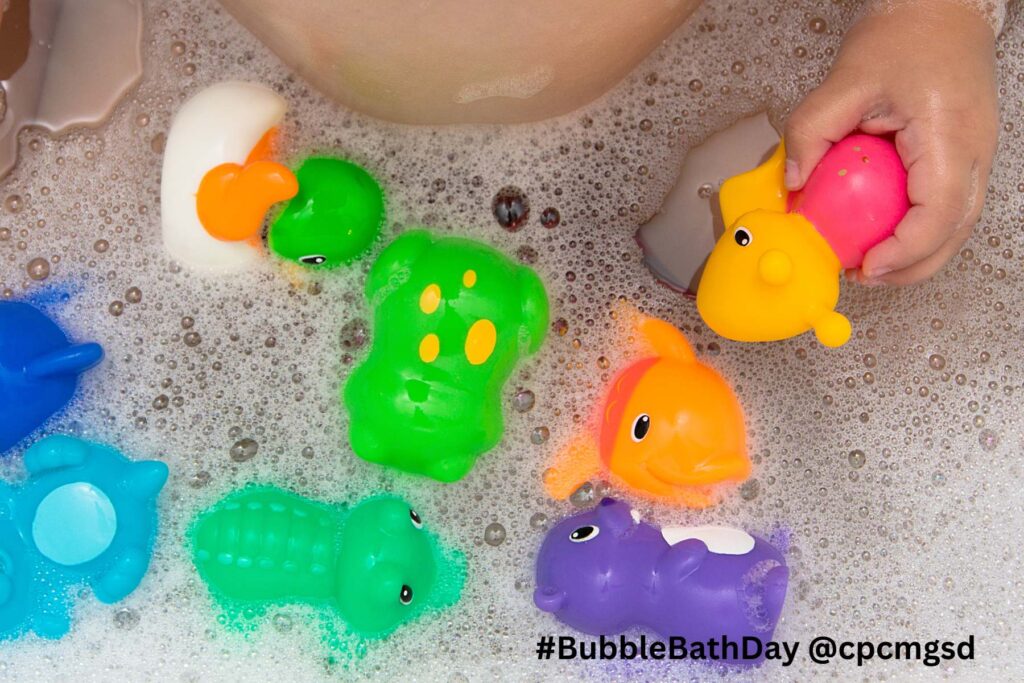
Plastic and rubber toys are easy to clean. Use warm water and mild soap. Scrub gently with a soft cloth or brush. Rinse well to remove all soap. Dry with a clean towel or air dry. For extra cleaning, wipe with a mixture of water and vinegar. Avoid harsh chemicals that can damage the surface.
Fabric And Plush Toys
Fabric and plush toys need gentle care. Check the label for washing instructions. Most can go in the washing machine on a gentle cycle. Use mild detergent and cold water. Put toys in a pillowcase or laundry bag first. Let them air dry completely to avoid mold. Spot clean small stains with a damp cloth and mild soap.
Wooden Toys
Wooden toys require special attention. Do not soak them in water. Wipe with a damp cloth and mild soap. Dry quickly with a towel to prevent water damage. Use a little bit of olive oil to keep the wood smooth. Avoid strong cleaners that can harm the wood finish.
Step-by-step Cleaning Process
Cleaning toys shared by multiple kids is important to keep germs away. A clear process helps make sure toys are safe and clean. Follow these easy steps to clean toys properly. This keeps children healthy and happy while they play.
Pre-cleaning Inspection
Check each toy carefully before washing. Look for cracks or broken parts. Remove batteries or electronic components. Separate toys by material type, like plastic or fabric. This helps decide the best cleaning method.
Washing Techniques
Use warm water and mild soap for most toys. Wash plastic toys with a soft cloth or sponge. For fabric toys, use a gentle cycle in the washing machine. Avoid soaking electronic toys; wipe them with a damp cloth. Disinfect toys with a safe solution if needed.
Drying And Storage Tips
Dry toys completely before storing to stop mold growth. Use a clean towel or air dry in sunlight. Store toys in a dry, clean place. Keep them organized to avoid damage and keep the area tidy.
Disinfecting Toys Safely
Keeping toys clean is very important, especially when many kids share them. Germs spread fast through shared toys. Disinfecting toys safely helps stop illnesses and keeps kids healthy. Use safe methods that do not harm the toys or the children.
Effective Disinfectants For Toys
Use disinfectants that kill germs but are gentle on toys. Soap and water work well for most toys. For plastic toys, a mixture of water and white vinegar cleans and disinfects. Avoid bleach on toys that children put in their mouths. Use alcohol wipes for quick cleaning of small toys. Always check labels to ensure products are safe for children.
Frequency Of Disinfection
Disinfect toys regularly to keep germs away. Clean toys daily if many children use them. For toys used less often, clean once a week. Always clean toys after a sick child plays with them. Wipe toys quickly between uses to reduce germ spread. Regular cleaning keeps all children safe and healthy.
Preventing Germ Spread Among Kids
Preventing the spread of germs among kids is very important. Kids often share toys, which can carry bacteria and viruses. Cleaning toys and good habits help keep children healthy and safe.
Teaching children simple steps reduces the risk of illness. Small actions make a big difference in stopping germs from spreading. Focus on hand hygiene and managing toy use to protect kids.
Encouraging Hand Hygiene
Teach children to wash their hands before and after playing. Use soap and water for at least 20 seconds. Hand sanitizer works if soap is not available. Clean hands stop germs from moving to toys and other kids.
Make hand washing a fun and regular habit. Use songs or timers to help kids wash long enough. Remind children to clean under nails and between fingers. Good hand hygiene lowers the chance of infections.
Rotating Toy Usage
Limit the number of toys shared at one time. Rotate toys daily or weekly to allow cleaning between uses. Store unused toys in a clean, dry place. This practice reduces germs on toys and gives time for cleaning.
Clean toys regularly using safe disinfectants. Follow instructions for each toy’s material. Avoid harsh chemicals on soft or electronic toys. Rotating toys also keeps playtime exciting and fresh for kids.
Credit: www.etsy.com
Maintaining Toy Cleanliness Over Time
Keeping toys clean over time is important for children’s health and happiness. Toys shared by many kids can collect germs fast. A good routine helps keep toys safe and fun. Cleaning often stops dirt and bacteria from building up. It also keeps toys looking new longer.
Simple habits and quick cleaning steps work well. They save time and keep toys fresh. Teaching kids to clean toys after use helps too. Clean toys mean fewer sick days and more playtime.
Regular Cleaning Schedule
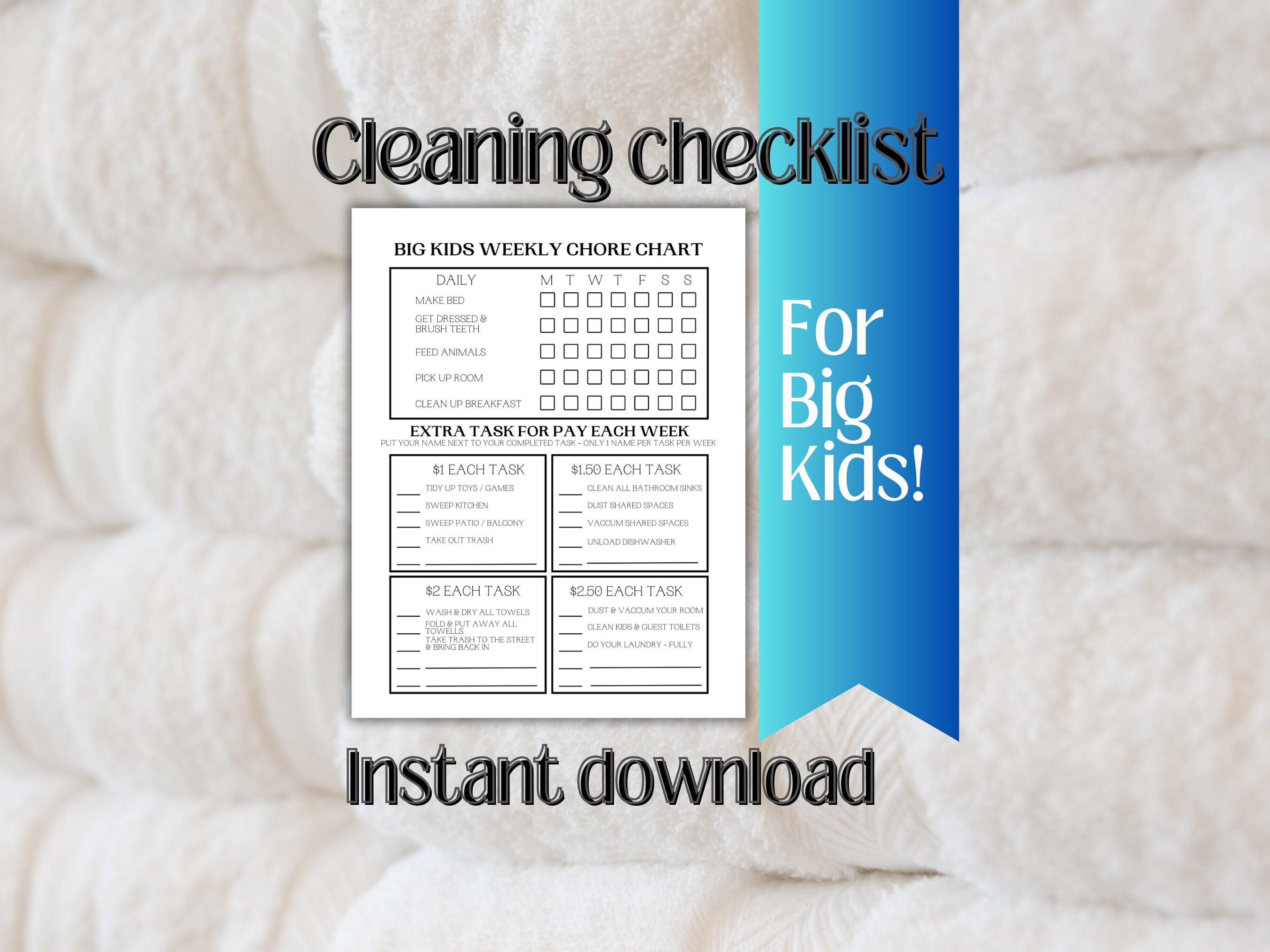
Create a cleaning plan for all shared toys. Wipe down hard toys at least once a week. Soft toys and plushies need washing every two weeks. Use mild soap and warm water for safe cleaning. Dry toys completely before giving them back to kids. Mark cleaning days on a calendar for easy tracking. Consistency keeps germs low and toys inviting.
Spot Cleaning Tips
Spills and stains happen often. Clean spots quickly to avoid permanent marks. Use a damp cloth with a little soap for most stains. For fabric toys, spot clean gently with a soft brush. Avoid soaking toys that can hold water inside. Check toy labels for special cleaning instructions. Quick spot cleaning keeps toys neat between full washes.
Credit: www.walmart.com
Frequently Asked Questions
How Often Should Shared Toys Be Cleaned?
Shared toys should be cleaned at least once a week. Frequent cleaning reduces germs and prevents illness among children sharing toys. Increase cleaning frequency during flu season or if a child is sick.
What Are The Safest Cleaning Methods For Kids’ Toys?
Use mild soap and warm water or a diluted bleach solution. Avoid harsh chemicals to protect children’s health. Wipe plastic toys with disinfectant wipes approved for children’s products.
Can All Toys Be Cleaned With The Same Method?
No, cleaning varies by toy material. Hard plastic toys can be washed with soap and water. Fabric or plush toys may need machine washing or surface cleaning only. Always check manufacturer instructions.
How To Disinfect Toys Without Harming Children?
Use child-safe disinfectants like diluted bleach or vinegar solutions. Rinse toys thoroughly and let them dry completely before use. Avoid toxic cleaners that can cause irritation or allergic reactions.
Conclusion
Cleaning toys shared by many kids keeps them safe and healthy. Regular washing stops germs from spreading. Use gentle soap and warm water for most toys. For plastic toys, disinfect with safe solutions often. Soft toys need special care; check labels first.
Clean toys after playtime or daily if possible. This simple habit helps prevent sickness and keeps kids happy. Clean toys mean happy kids and peace of mind for parents. Make cleaning toys a regular part of your routine. Safe play starts with clean toys.
