
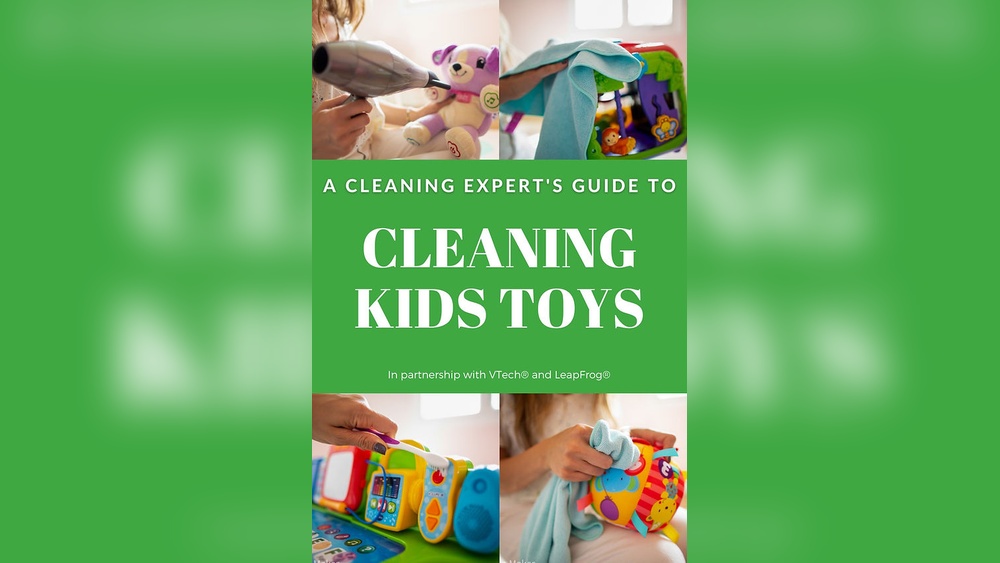
You want your child’s toys to be safe and clean, but do you know the best way to do it at home? Dirty toys can hide germs that might make your little ones sick.
Cleaning them the right way keeps your family healthy and your toys looking new. You’ll discover simple, effective steps to clean toys safely without harsh chemicals or expensive tools. Keep reading to protect your loved ones and make toy time fun and worry-free!
Credit: petdirect.co.nz
Choosing Safe Cleaning Methods
Choosing safe cleaning methods helps keep toys clean and children healthy. It means picking the right way to clean based on the toy’s material. It also means using cleaning agents that do not harm children or damage toys.
Materials And Toy Types
Different toys need different care. Plastic toys can usually be washed with water and soap. Stuffed animals need gentle cleaning to avoid damage. Wooden toys require less water to prevent warping or cracking. Check the toy label for cleaning instructions. Always test a small spot first to avoid damage.
Non-toxic Cleaning Agents
Use mild soap or baby shampoo for cleaning. White vinegar mixed with water is a good natural cleaner. Baking soda can remove stains safely. Avoid strong chemicals that may leave harmful residue. These agents clean well and keep children safe from toxins.
Avoiding Harmful Chemicals
Do not use bleach or ammonia on toys. These chemicals can irritate skin and cause breathing problems. Avoid cleaners with strong fragrances or dyes. They may trigger allergies or asthma. Choose simple, safe products to protect your child’s health and the toy’s quality.
Daily Cleaning Tips
Keeping toys clean every day helps stop germs from spreading. Daily cleaning is quick and easy. It keeps toys safe for children to play with. Simple steps make a big difference in hygiene.
Wiping With Soap And Water
Soap and water remove dirt and germs well. Use a soft cloth or sponge. Dip it in warm, soapy water. Wipe each toy surface gently. Rinse the cloth often to avoid spreading dirt. Soap breaks down grease and grime easily.
Using Disinfecting Wipes
Disinfecting wipes kill most bacteria and viruses fast. Choose wipes safe for children’s toys. Wipe toys thoroughly, covering all areas. Let the toy air dry to keep it safe. Avoid wipes with strong chemicals that may harm kids.
Air Drying Techniques
Air drying stops moisture build-up on toys. Place cleaned toys on a clean towel or rack. Keep them in a well-ventilated area. Avoid direct sunlight to protect colors and materials. Dry toys completely before storing or use.
Deep Cleaning Techniques
Deep cleaning toys at home keeps them safe and germ-free. Dirt and germs hide in small parts. Regular cleaning may not remove all bacteria. Deep cleaning helps reach hidden spots. It extends the life of toys and protects kids from illnesses.
Soaking Plastic Toys
Fill a basin with warm water and mild soap. Submerge plastic toys completely. Let them soak for 15 to 30 minutes. This loosens dirt and kills many germs. Use a soft brush to scrub tight spots gently. Rinse toys well with clean water. Dry toys fully to stop mold growth.
Machine Washing Soft Toys
Check the toy’s label for washing instructions. Place soft toys inside a pillowcase or laundry bag. Use a gentle cycle with cold or warm water. Add mild detergent without bleach or fabric softeners. Remove toys quickly after washing. Air dry or use a low heat setting. Machine washing removes dirt and dust deeply.
Sterilizing Baby Toys
Boil water in a pot on the stove. Submerge baby toys that can handle heat for 5 minutes. Use a steam sterilizer or microwave sterilizing bags as alternatives. These methods kill bacteria and viruses safely. Make sure toys cool before giving to babies. Sterilizing is key for newborns and infants.

Credit: www.amazon.com
Cleaning Electronics And Battery-operated Toys
Cleaning electronic and battery-operated toys needs care. These toys have small parts and circuits. Water and harsh cleaners can damage them. Proper cleaning keeps toys safe and working well. Simple steps help clean without harm.
Safe Surface Cleaning
Use a soft, dry cloth to wipe the toy’s surface. For sticky spots, slightly dampen the cloth with water. Avoid soaking the cloth or the toy. Never spray cleaner directly on the toy. Use mild soap diluted in water for tough dirt. Gently wipe and dry immediately with a soft cloth.
Avoiding Water Damage
Water can ruin batteries and electronics. Remove batteries before cleaning. Keep water away from battery compartments and openings. Use cotton swabs or soft brushes for tight spaces. Let toys dry completely before putting batteries back. Never submerge electronic toys in water or cleaning solutions.
Using Compressed Air
Compressed air helps remove dust from small parts. Hold the can upright and spray short bursts. Keep the nozzle a few inches from the toy. Avoid blowing dust deeper inside the toy. Use this method for vents, buttons, and crevices. It keeps the toy clean without touching sensitive parts.
Maintaining Toy Hygiene
Keeping toys clean is very important for children’s health. Germs and dirt can build up on toys quickly. This can cause sickness and allergies. Maintaining toy hygiene helps keep children safe and happy.
Cleaning toys regularly stops germs from spreading. It also keeps toys looking new and fresh. Taking a few simple steps makes a big difference in toy hygiene.
Regular Cleaning Schedule
Set a regular time to clean toys. Clean toys used daily at least once a week. Less-used toys can be cleaned once a month. Use mild soap and warm water for most toys. For soft toys, check washing labels first. Regular cleaning removes germs and dust effectively.
Storage Tips To Prevent Germs
Store toys in clean, dry places. Use containers with lids to keep dust out. Avoid storing toys on the floor. Keep toys separate from food areas. Air out toys occasionally to stop mold growth. Proper storage lowers the chance of germs growing.
Inspecting For Damage And Dirt
Look at toys carefully before cleaning. Check for cracks, broken parts, or loose pieces. Damaged toys can trap more dirt and germs. Remove or fix broken toys quickly. Check for dirt in small spaces and corners. Clean those spots well to remove hidden germs.
Credit: sweepsouth.com
Special Considerations
Cleaning toys safely at home needs some special care. Different types of toys and situations require unique methods. This ensures toys stay safe and clean for children to enjoy. Understanding these special points helps keep germs away and protects children’s health.
Cleaning Outdoor Toys
Outdoor toys get dirt, mud, and germs easily. Use a hose or bucket with warm water and mild soap. Scrub with a soft brush to remove stuck dirt. Rinse well to remove all soap. Let toys dry fully in the sun. Sunlight helps kill some bacteria naturally.
Handling Shared Toys
Shared toys can spread germs fast. Clean them often, especially in group settings. Use disinfectant wipes or a solution safe for children’s toys. Focus on buttons, handles, and small parts. Allow toys to dry completely before use. This reduces the risk of infections spreading.
Allergy-friendly Cleaning
Some children have allergies or sensitive skin. Use gentle, fragrance-free cleaners for their toys. Avoid harsh chemicals or strong scents. Rinse toys well to remove any cleaner residue. Choose natural cleaning options like vinegar diluted with water. This keeps toys safe for all children to play with.
Frequently Asked Questions
How Often Should I Clean My Child’s Toys At Home?
Clean toys weekly to reduce germs and allergens. High-touch toys may need daily cleaning. Regular cleaning keeps children healthy and toys safe.
What Are The Safest Cleaning Methods For Plastic Toys?
Use warm soapy water or a vinegar solution. Avoid harsh chemicals. Wipe toys thoroughly and air dry to prevent damage and keep them safe.
Can I Use Bleach To Disinfect Toys Safely?
Diluted bleach (1 tablespoon per gallon) can disinfect. Rinse toys well after using bleach. Avoid bleach on porous or fabric toys to prevent damage.
How Do I Clean Fabric Or Stuffed Toys Safely?
Machine wash with mild detergent on gentle cycle. Use a mesh bag to protect toys. Air dry completely to prevent mold and odors.
Conclusion
Cleaning toys at home keeps children safe and healthy. Use gentle soap and warm water for most toys. Avoid harsh chemicals that can harm kids or toys. Regular cleaning stops germs from spreading. Soft toys may need special care, like washing in a bag.
Dry toys well to prevent mold and bacteria. Simple steps make a big difference in toy safety. Keeping toys clean is easy and worth the effort. Your child will enjoy playing with fresh, safe toys every day.
