
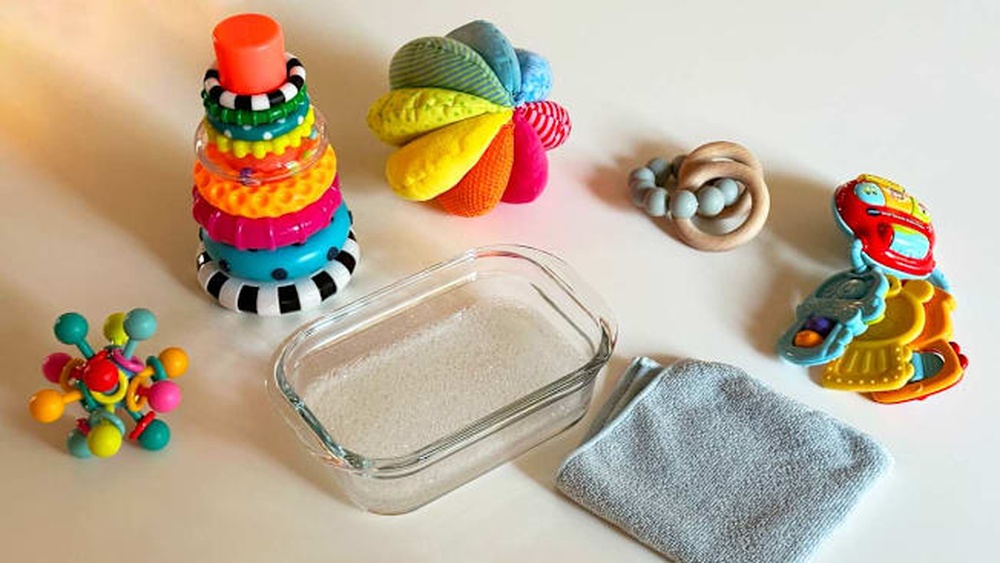
You want your toddler’s toys to be clean and safe, but figuring out how to do that without harsh chemicals can be tricky. Dirty toys can carry germs that make your little one sick, yet some cleaning methods might harm the toys or leave behind harmful residues.
What if you could easily keep your child’s favorite playthings fresh, safe, and ready for fun? You’ll discover simple, effective ways to clean toys that protect your toddler’s health and keep playtime worry-free. Keep reading to learn how to make toy cleaning a quick and safe part of your routine.

Credit: www.vtechtoysblog.com
Choosing Safe Cleaning Methods
Choosing safe cleaning methods for toddler toys is very important. Toddlers often put toys in their mouths. Cleaning with harsh chemicals can harm their health. Using gentle and safe cleaners protects children and keeps toys clean.
Non-toxic Cleaners To Use
Use natural cleaners like mild soap and water. White vinegar diluted with water works well too. Baking soda can remove stains safely. These cleaners are effective and safe for toddlers. Always rinse toys well to remove any residue. Avoid using strong scents or dyes in cleaners.
Avoiding Harmful Chemicals
Stay away from bleach, ammonia, and other harsh chemicals. These can irritate a child’s skin and lungs. Toxic cleaners can leave dangerous residues on toys. Check labels carefully before buying cleaning products. Choose products labeled safe for children or food contact. Cleaning toys safely means choosing gentle and natural options.

Credit: www.amazon.com
Cleaning Different Toy Materials
Cleaning toddler toys keeps children safe and healthy. Different materials need different care. Knowing how to clean each type helps avoid damage and germs.
Plastic And Rubber Toys
Plastic and rubber toys are easy to clean. Use warm water and mild soap. Scrub gently with a soft brush or cloth. Rinse well to remove soap. Let them air dry completely before use.
Avoid harsh chemicals that can harm the material. Regular cleaning stops germs from spreading. These toys can also go in the dishwasher if labeled safe.
Fabric And Plush Toys
Fabric and plush toys need gentle cleaning. Check the label for washing instructions. Many can be machine washed on a gentle cycle. Use a mild detergent and cold water.
For toys that cannot be washed, spot clean with a damp cloth. Use a small amount of mild soap. Squeeze out water carefully and air dry fully. Avoid direct sunlight to prevent fading.
Wooden Toys
Wooden toys require careful cleaning to avoid damage. Wipe with a damp cloth and mild soap. Do not soak or use too much water. Dry immediately with a soft towel.
Oiling wooden toys occasionally keeps the wood from drying out. Use food-safe oil like mineral oil. Avoid strong cleaners that can harm the wood or finish.
Step-by-step Cleaning Process
Cleaning toddler toys is important to keep germs away and protect your child’s health. A clear step-by-step process helps make cleaning easy and safe. Follow these simple steps to make sure toys are fresh and safe for little hands.
Pre-cleaning Preparation
Gather all the toys that need cleaning. Check each toy for damage or loose parts. Remove batteries from electronic toys. Sort toys by material type: plastic, fabric, or wood. This helps choose the right cleaning method.
Washing And Disinfecting
Use warm water and mild soap to wash plastic and rubber toys. Scrub gently with a soft brush or cloth. For fabric toys, check the label and wash in the machine if safe. To disinfect, use a solution of one tablespoon bleach per gallon of water. Soak plastic toys for two minutes, then rinse well. Avoid bleach on fabric or wooden toys. Use vinegar or baby-safe disinfectants instead.
Drying And Storing
Dry toys completely before storing. Use a clean towel or air dry in the sun. Make sure fabric toys are fully dry to prevent mold. Store toys in a clean, dry container. Keep them away from dirt and moisture until next use.

Credit: www.whattoexpect.com
Frequency Of Toy Cleaning
Keeping toddler toys clean is important for your child’s health. Germs and dirt can build up quickly. Regular cleaning helps stop germs from spreading. Knowing how often to clean toys keeps them safe and fresh.
Daily Maintenance Tips
Wipe toys with a damp cloth every day. Focus on toys your toddler touches often. Plastic and rubber toys can be cleaned with mild soap and water. Avoid harsh chemicals that may harm your child. Check for visible dirt or sticky spots. Clean these areas right away to prevent germs.
Soft toys need gentle care. Spot clean fabric toys with a cloth and mild detergent. Let them dry completely before giving them back. Small toys that go in the mouth need special attention. Clean these toys more often to keep germs away.
Deep Cleaning Schedule
Plan deep cleaning once a week or every two weeks. Use warm water and safe soap to wash toys thoroughly. For machine-washable toys, use the gentle cycle and air dry. Disinfect hard toys with a solution of water and vinegar or a child-safe disinfectant. Avoid soaking electronic toys; instead, wipe them down carefully.
Check for broken parts during deep cleaning. Remove toys that are damaged to prevent injuries. A regular deep clean keeps toys safe and lasts longer. Set a cleaning routine that fits your family’s needs.
Preventing Toy Contamination
Toys bring joy and learning to toddlers. Keeping toys clean helps protect children from germs and illness. Preventing toy contamination is key to safe playtime. It lowers the risk of spreading bacteria and viruses among toddlers.
Simple habits make a big difference. Teaching safe toy sharing and using proper storage keeps toys cleaner longer. These steps help parents and caregivers maintain a healthy play environment.
Safe Toy Sharing Practices
Encourage children to wash hands before and after playing. Clean toys regularly, especially those shared with others. Avoid sharing toys that toddlers often put in their mouths. Use disinfectant wipes safe for children’s items. Rotate toys to reduce constant use of the same ones. Keep a separate set of toys for sick children to prevent spread.
Proper Storage Solutions
Store toys in clean, dry containers to prevent dust and germs. Use bins with lids to keep toys protected between uses. Label storage boxes by toy type for easy organization. Avoid overcrowding toys to reduce damage and bacteria buildup. Clean storage areas regularly to keep the environment fresh. Place frequently used toys in accessible spots to encourage quick cleanup.
Signs To Replace Old Toys
Toys bring joy and learning to toddlers. Keeping them clean is important. But sometimes, toys become unsafe or worn out. Knowing when to replace old toys protects your child from harm.
Here are clear signs to check before deciding to toss or keep a toy. Look closely for damage or risks. Your child’s safety depends on it.
Wear And Tear Indicators
Check toys for cracks, breaks, or loose parts. Small pieces can come off and cause choking. Faded colors or rough edges may hurt little hands. Stuffed animals with torn fabric or missing stuffing need replacing. Toys that no longer work properly should be removed. Worn wheels or buttons can frustrate your toddler.
Safety Concerns
Look for sharp edges or points that appear suddenly. Remove toys with exposed wires or batteries. Broken plastic or metal can cut or scratch skin. Avoid toys with peeling paint or suspicious smells. Check labels for any recalls or safety warnings. Old toys may harbor germs even after cleaning. Prioritize your child’s health by replacing unsafe items.
Frequently Asked Questions
How Often Should I Clean Toddler Toys?
Clean toddler toys weekly to reduce germs and bacteria. More frequent cleaning is needed for shared or outdoor toys. Regular cleaning helps maintain a safe play environment and prevents illness.
What Is The Safest Way To Clean Plastic Toys?
Use warm water, mild soap, and a soft cloth to clean plastic toys. Avoid harsh chemicals and bleach. Rinse thoroughly and air dry to ensure safety and hygiene.
Can I Use Vinegar To Clean Toddler Toys?
Yes, vinegar is a natural, safe disinfectant for toddler toys. Mix equal parts water and white vinegar. Wipe toys with the solution and rinse well. Avoid using vinegar on porous or electronic toys.
How Do I Clean Fabric Or Stuffed Toys Safely?
Machine wash fabric toys on a gentle cycle using mild detergent. For delicate items, hand wash with warm water and mild soap. Air dry completely to prevent mold and maintain softness.
Conclusion
Cleaning toddler toys keeps children healthy and happy. Use gentle soap and warm water for most toys. Avoid harsh chemicals that may harm little ones. Regular cleaning stops germs and dirt from spreading. Always rinse toys well and let them dry completely.
Make cleaning a fun, simple routine for your family. Safe toys mean safer playtime every day. Keep these easy tips in mind to protect your toddler. Clean toys, happy kids, and peace of mind.
