
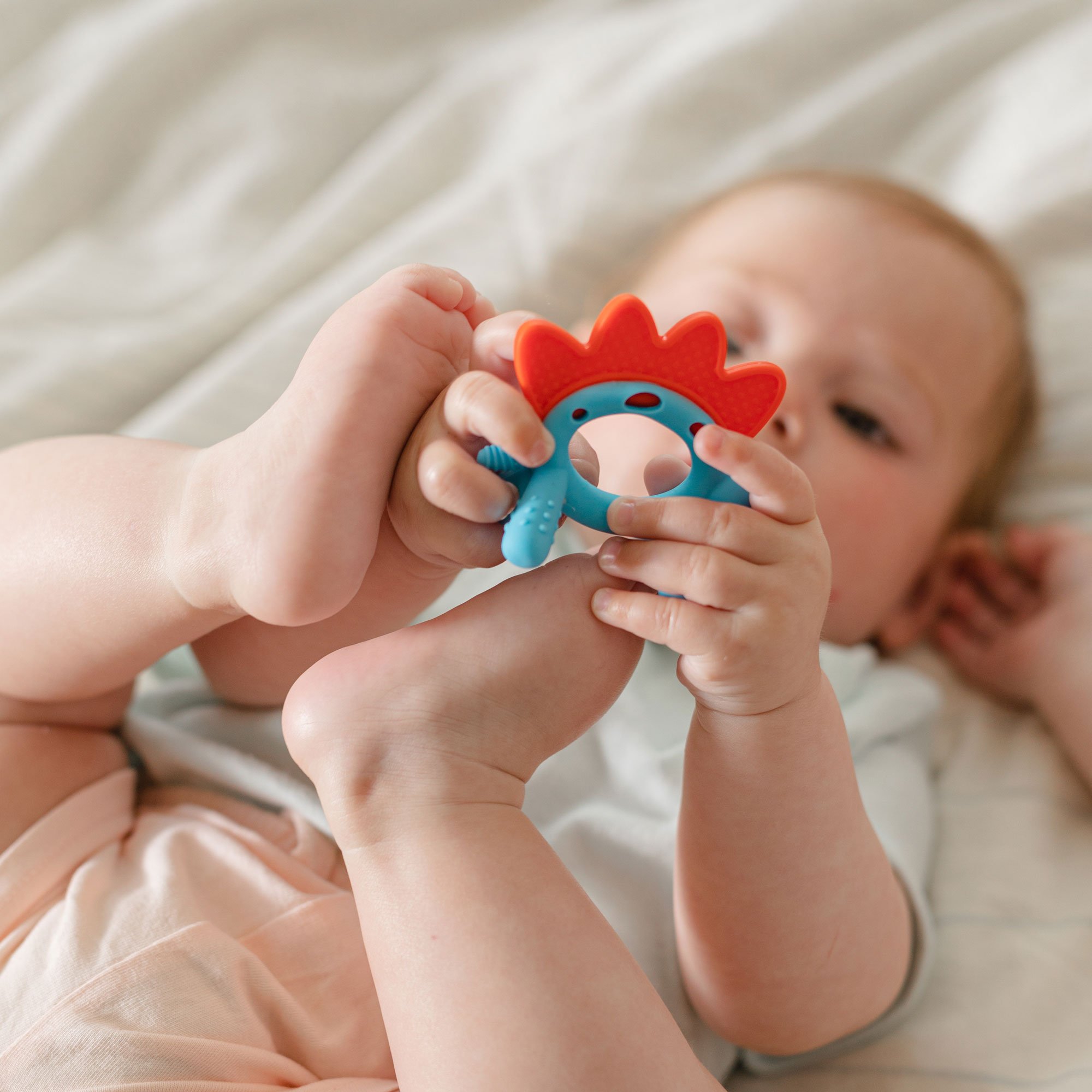
Teething can be a tough time for both you and your baby. During this phase, your little one will reach for toys more often to soothe their sore gums.
But have you thought about how clean those toys really are? Germs and dirt can easily hide on their favorite chewables, putting your baby’s health at risk. You’ll discover simple, effective ways to keep your baby’s toys safe and spotless.
Read on to protect your child and make teething a little easier for both of you.
Credit: lepaystchad.com
Why Clean Toys Matter
Toys are a baby’s favorite companion during the teething phase. Babies often chew and suck on toys to soothe sore gums. Keeping these toys clean is very important. Clean toys protect your baby’s health and comfort. Dirty toys can carry germs that cause infections. Clean toys help your baby stay safe and happy.
Risks Of Dirty Toys
Toys that are not cleaned can hold harmful bacteria and viruses. Babies put toys directly in their mouths. Germs from dirty toys can cause mouth infections and stomach problems. Dirty toys also increase the risk of colds and flu. This can make teething harder and more painful. Avoiding dirty toys means fewer illnesses for your baby.
Benefits Of Regular Cleaning
Cleaning toys regularly removes germs and dirt. This keeps your baby’s mouth healthy. Clean toys reduce the chance of infections and rashes. They also prevent bad smells and sticky surfaces. Regular cleaning helps toys last longer and stay safe. A clean toy means your baby can enjoy teething without extra worries.

Credit: tumama-kids.com
Safe Cleaning Materials
Choosing safe cleaning materials is very important during the teething phase. Babies put toys in their mouths often. Chemicals can harm their sensitive gums. Use only gentle, safe products to clean toys. This keeps your child healthy and happy.
Non-toxic Cleaners
Non-toxic cleaners do not contain harsh chemicals. They are safe for babies to chew on after cleaning. Look for products labeled as baby-safe or non-toxic. These cleaners remove dirt and germs without leaving harmful residues. Always rinse toys well with water after cleaning.
Natural Cleaning Options
Natural cleaning options use simple ingredients from your kitchen. Water and mild soap work well for most toys. Vinegar mixed with water can kill many germs safely. Baking soda helps remove stains and odors. These options are gentle and free from artificial chemicals.
Cleaning Methods For Different Toys
Keeping toys clean during the teething phase is very important. Babies put toys in their mouths often. Germs can cause sickness. Different toys need different cleaning methods. This helps keep them safe and fresh. The right cleaning also protects the toy’s material.
Plastic And Silicone Toys
Plastic and silicone toys are easy to clean. Use warm water and mild soap. Wash the toy well with a soft cloth. Rinse thoroughly to remove all soap. Let the toy air dry on a clean towel. For extra cleaning, you can boil these toys for a few minutes. Make sure the toy is heat-safe before boiling. Avoid harsh chemicals that can damage the material.
Fabric And Plush Toys
Fabric and plush toys need gentle care. Check the label for washing instructions. Most can be washed in a machine on a gentle cycle. Use mild detergent and cold water. Place the toy in a pillowcase or laundry bag. Air dry the toy to keep its shape. For small stains, spot clean with a damp cloth and mild soap. Avoid soaking fabric toys to prevent damage.
Wooden Toys
Wooden toys require special care to avoid cracks. Wipe them with a damp cloth and mild soap. Do not soak wooden toys in water. Dry immediately with a clean towel. You can use a little olive oil to keep the wood smooth. Avoid harsh cleaners that can remove the finish. Regular cleaning keeps wooden toys safe and looking good.
Credit: us.nuby.com
Frequency Of Cleaning
Keeping toys clean during the teething phase is very important. Babies put toys in their mouths often. This can spread germs and cause illness. Cleaning frequency helps keep your baby safe and healthy. Some toys need cleaning every day. Others need deeper cleaning less often. Follow a good cleaning routine for best results.
Daily Cleaning Tips
Wipe toys with a damp cloth daily. Use mild soap and water for plastic toys. Rinse well to remove soap residue. Avoid harsh chemicals that can harm your baby. Soft toys can be spot cleaned with a gentle detergent. Let toys air dry completely before giving them back. Daily cleaning removes saliva, dirt, and germs. This keeps the toys safe for your baby’s mouth.
Deep Cleaning Schedule
Deep clean toys once a week or after illness. Boil plastic toys for 5 minutes to kill germs. Use a dishwasher if toys are dishwasher-safe. For fabric toys, wash in hot water and dry well. Disinfect teething rings with a vinegar and water mix. Deep cleaning removes bacteria that daily cleaning can miss. Regular deep cleaning keeps toys hygienic and safe.
Drying And Storing Toys
Cleaning toys during the teething phase is important. After washing, drying and storing toys correctly keeps them safe and ready for use. Proper drying stops germs from growing. Good storage prevents dirt and damage. Follow these tips to keep your baby’s toys clean and healthy.
Safe Drying Techniques
Use a clean towel to pat toys dry. Avoid rough rubbing to protect the toy surface. Air drying is best. Place toys on a clean, dry cloth in a well-ventilated area. Do not put toys in direct sunlight for long. Sun can fade colors and weaken materials. Make sure toys are fully dry before storing. Moist toys can grow mold and bacteria.
Proper Storage Practices
Store toys in a clean, dry container with a lid. Avoid open bins where dust and dirt can settle. Separate toys by type to keep them organized. Use breathable bags for soft toys to prevent moisture. Keep storage containers away from heat and humidity. Check toys regularly for damage or dirt. Clean storage helps keep toys safe for your teething baby.
Signs To Replace Toys
During the teething phase, toys need special care. Babies chew on toys a lot. Toys can get damaged or dirty fast. Knowing when to replace toys keeps your baby safe. It also helps avoid germs and choking hazards. Watch your toys closely for signs that they need replacing.
Wear And Tear Indicators
Look for cracks, breaks, or missing pieces on toys. These can cause small parts to come off. Sharp edges may form and hurt your baby. Soft toys can become torn or frayed. Loose threads or stuffing can be swallowed. If a toy looks worn out, it is time to replace it.
Hygiene Concerns
Toys used during teething can carry germs easily. Check for mold or mildew, especially in rubber or silicone toys. Sticky or discolored spots may mean bacteria growth. Some toys cannot be cleaned well after long use. If a toy smells bad or cannot be cleaned, throw it away. Clean toys often to keep your baby healthy.
Frequently Asked Questions
How Often Should I Clean Teething Toys?
Clean teething toys daily to prevent bacteria buildup. Use warm soapy water or baby-safe sanitizers. Rinse thoroughly and air dry before giving to your baby.
What Is The Safest Method To Clean Teething Toys?
The safest method is washing with mild soap and warm water. Avoid harsh chemicals or bleach. For silicone or plastic toys, you can also boil them briefly if manufacturer allows.
Can I Use A Dishwasher To Clean Teething Toys?
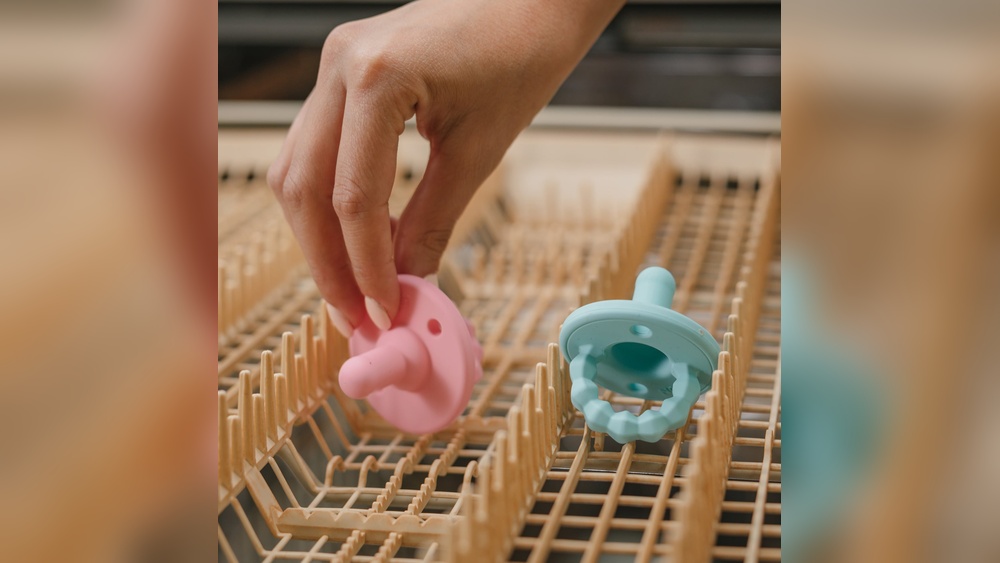
Yes, if the toy is dishwasher-safe, place it on the top rack. Use a gentle cycle and avoid high heat drying. Always check manufacturer instructions before dishwasher cleaning.
Are Natural Cleaning Solutions Safe For Teething Toys?
Yes, natural solutions like vinegar and water mix can clean toys safely. Use a 1:1 ratio, rinse well, and let toys air dry completely before use.
Conclusion
Cleaning toys during teething keeps babies safe and healthy. Use gentle soap and warm water to wash toys often. Avoid harsh chemicals that can harm your little one. Dry toys completely before giving them back. Regular cleaning helps stop germs from spreading.
Soft, safe toys soothe sore gums best. Keep a cleaning routine to protect your baby every day. Simple steps can make a big difference in your child’s comfort and health. Take care, stay consistent, and enjoy this special time.
