
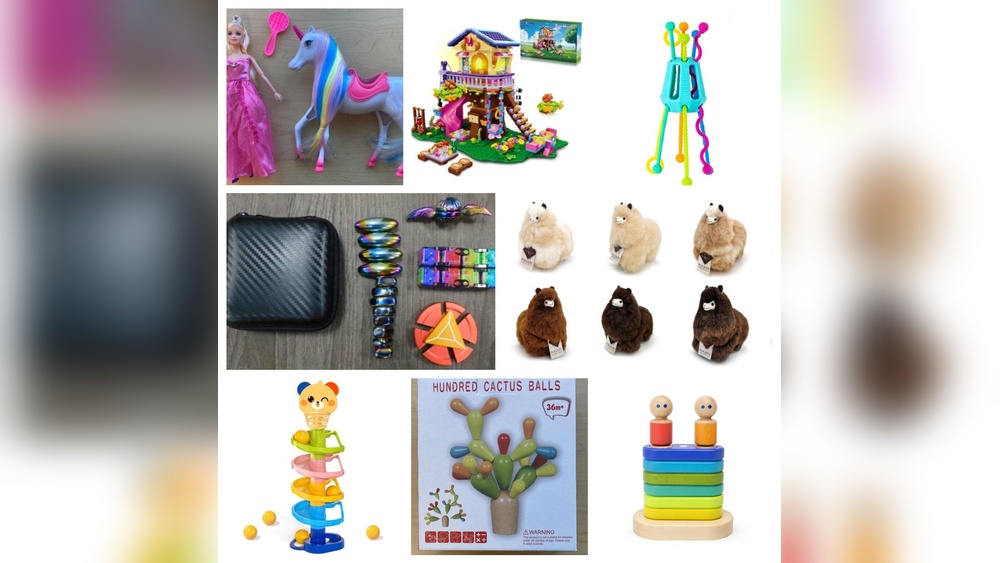
Buying toys online can feel like a great way to find the perfect gift for your child or a loved one. But how do you know if the toy is safe?
Unsafe toys can cause serious harm, and you might not realize the risks until it’s too late. You want to protect your child and make smart choices, right? This article will guide you through simple steps to avoid unsafe online toy purchases.
By the end, you’ll feel confident and ready to shop safely every time. Keep reading to learn how to spot the red flags and shop with peace of mind.

Credit: x.com
Spotting Unsafe Toys
Spotting unsafe toys is important before making any online purchase. Unsafe toys can cause injuries or health problems. Parents and gift buyers need to know what signs to watch for. This helps keep children safe and happy while playing.
Common Safety Hazards
Check for sharp edges or small parts that can break off easily. These parts can cause choking or cuts. Avoid toys with toxic paint or strong chemical smells. These can harm children’s health. Also, avoid toys made from weak plastic that can snap quickly.
Recognizing Fake Brands
Fake brands often look like real ones but have poor quality. Look for misspelled brand names or blurry logos. Official toys come with clear labels and packaging. Suspiciously low prices can also signal fake products. Buy from trusted sellers to reduce risks.
Checking Age Recommendations
Age recommendations are there for safety reasons. Toys for older kids may have small pieces not safe for toddlers. Always read the age label before buying. Do not buy toys meant for older children if the child is too young. This prevents accidents and injuries during play.

Credit: journal.com.ph
Choosing Reliable Sellers
Choosing reliable sellers is key to safe toy shopping online. Trustworthy sellers offer quality products and protect your money. You avoid scams and fake toys by picking good sellers. Always check the seller’s background before buying.
Verifying Seller Credentials
Check if the seller has a business license or registration. Genuine sellers display this information clearly on their site. Look for contact details like phone number and address. A real seller is easy to reach if problems arise.
Some sites show badges for verified sellers. These badges mean the site checked the seller’s identity. Avoid sellers without proof of legitimacy.
Reading Customer Reviews
Read reviews to see other buyers’ experiences. Honest reviews talk about product quality and service. Watch for many negative reviews or complaints about delays. Good sellers get mostly positive feedback.
Beware of too many perfect reviews. They might be fake or paid. Look for detailed and balanced comments. This helps you trust the seller more.
Avoiding Unsecured Websites
Only buy from websites with secure connections. Check for “https” in the web address. The “s” stands for secure and protects your data. Avoid sites without this security feature.
Unsecured sites risk your payment details being stolen. Use websites with clear privacy policies. This shows the seller cares about your safety.
Inspecting Product Details
Inspecting product details helps ensure toy safety before buying online. It reduces risks linked to low-quality or harmful items. Buyers must pay close attention to key product information. This section guides you through important steps for careful checking.
Reviewing Material Information
Check what materials make up the toy. Look for non-toxic labels or safe plastic types. Avoid toys with small parts if buying for young children. Some materials can cause allergies or harm. Clear material info helps make safer choices.
Looking For Safety Certifications
Search for official safety marks on the product page. Certifications like ASTM, CE, or CPSIA show compliance with safety rules. These marks indicate testing for hazards like choking or toxins. Certified toys offer more protection and peace of mind.
Comparing Prices Wisely
Compare prices across trusted sellers before purchasing. Extremely low prices may signal fake or unsafe products. Balance cost with quality and safety features. Spending a bit more can mean better safety and durability.
Safe Payment Practices
Safe payment practices protect your money and personal information when buying toys online. It is important to choose the right payment methods and stay alert to suspicious offers. Keeping clear records of your payments helps solve any issues later.
Using Secure Payment Methods
Choose payment options that offer buyer protection. Credit cards and trusted payment services like PayPal are safer choices. Avoid direct bank transfers or wire payments to unknown sellers. Always check for “https” in the website’s URL before entering payment details. This shows the site uses encryption to protect your data.
Avoiding Suspicious Offers
Be cautious of deals that seem too good to be true. Very low prices or huge discounts can signal scams. Avoid sellers who pressure you to pay quickly or use unusual payment methods. Trust only well-known stores or verified sellers. If an offer seems strange, it is best to skip it.
Keeping Payment Records
Save all receipts, invoices, and confirmation emails. These documents prove your purchase and payment. They help if you need to request a refund or report fraud. Keep records organized and easy to find. Review your bank and credit card statements regularly for unauthorized charges.
Handling Delivery And Returns
Handling delivery and returns is a key step in safe online toy shopping. It protects your child from unsafe products. It also saves you from losing money. Being careful during delivery and return helps ensure you get the right toy in good condition.
Tracking Orders Effectively
Track your order as soon as you buy it. Use the tracking number the seller provides. Check the delivery status regularly on the carrier’s website. This helps you know when your package will arrive. It also reduces the chance of lost or stolen items. Stay alert to unexpected delays or changes.
Inspecting Toys Upon Arrival
Open the package right after delivery. Check the toy for any damage or missing parts. Look for safety labels or warnings on the packaging. Test the toy’s main functions if possible. Keep the receipt and packaging until you are sure the toy is safe. Report any problems to the seller immediately.
Knowing Return Policies
Read the return policy before buying. Check how many days you have to return the toy. Understand if the seller covers shipping costs for returns. Know if the toy must be unopened or unused. Clear return policies make the process easier. This helps you avoid extra costs or trouble later.
Educating Kids About Toy Safety
Teaching children about toy safety is important. It helps them enjoy playtime without risks. Kids learn to spot unsafe toys and avoid accidents. Parents and teachers play a key role in this education. Clear, simple lessons make safety rules easy to follow. Safe play habits start early and last a lifetime.
Teaching Safe Play Habits
Show kids how to use toys correctly. Explain why some toys have age limits. Teach them to avoid small parts that can cause choking. Encourage gentle play to prevent injuries. Remind children to keep toys clean and stored safely.
Encouraging Reporting Issues
Tell children to speak up about broken toys. Teach them to tell an adult if a toy hurts them. Explain how to describe the problem clearly. Reporting issues helps stop accidents and recalls. It keeps other kids safe too.
Promoting Awareness Of Recalls
Explain what a toy recall means. Show how to check if a toy is recalled. Teach kids to tell adults about recalled toys at home. Stress the importance of not using recalled toys. Staying informed protects children from harm.

Credit: www.threads.com
Frequently Asked Questions
How Can I Identify Unsafe Online Toy Sellers?
Check for verified reviews and seller ratings. Avoid unknown websites and look for clear contact information. Trust reputable retailers with secure payment options.
What Safety Certifications Should I Look For In Toys?
Look for certifications like ASTM, CPSC, or EN71. These ensure the toy meets safety standards and is tested for hazards.
How Do I Check If A Toy Is Age-appropriate Online?
Read the product description carefully for age recommendations. Avoid toys with small parts for children under three years to prevent choking hazards.
Can I Trust Customer Reviews For Toy Safety?
Yes, but verify multiple reviews across platforms. Genuine reviews often mention safety and quality details, helping you make informed decisions.
Conclusion
Buying toys online can be safe with some smart steps. Check the seller’s reputation and read reviews carefully. Always look for safety certifications on the toy. Avoid deals that seem too cheap or suspicious. Use secure payment methods to protect your money.
Trust your gut feeling if something feels wrong. Keeping these tips in mind helps protect your child. Safe toy shopping online brings peace of mind and joy. Stay alert, shop wisely, and make happy choices every time.
