
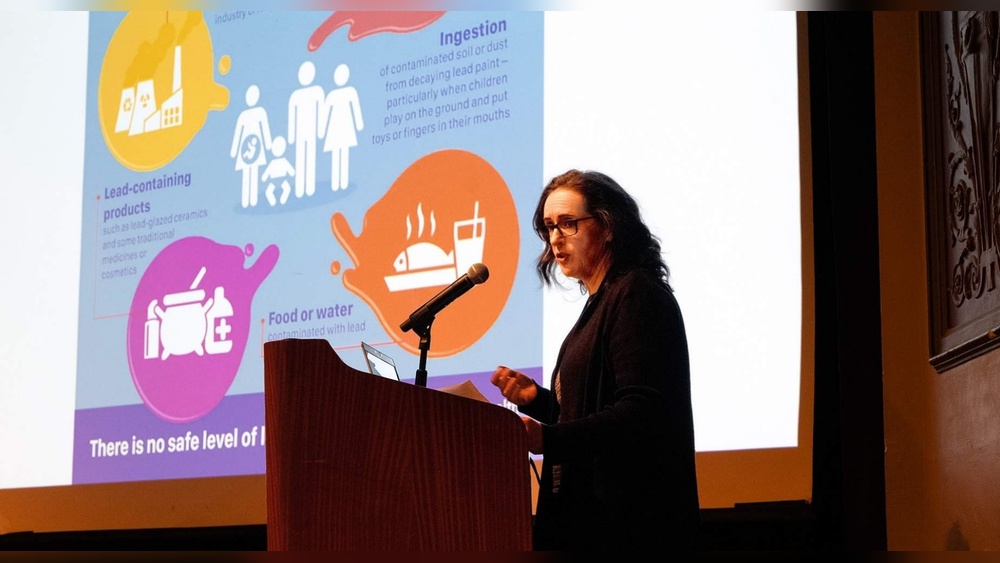
Have you ever thought about what’s really on the toys your child plays with every day? The paint used on toys may seem harmless, but it can actually impact your child’s safety in surprising ways.
Understanding how paint affects your child’s health is important to keep them safe while they enjoy their favorite playthings. Keep reading to discover what you need to watch out for and how to protect your little ones from hidden dangers.

Credit: www.youtube.com
Toxic Chemicals In Toy Paints
Toxic chemicals in toy paints pose serious risks to children’s health. Paints on toys often contain harmful substances. These chemicals can cause poisoning, allergies, or long-term health problems. Understanding the dangers helps protect children from exposure.
Common Harmful Substances
Toy paints may have dangerous chemicals like lead, cadmium, and chromium. These metals can build up in the body and cause damage. Some paints also contain solvents and other toxic compounds. These substances can affect the skin, lungs, and brain.
Lead And Heavy Metal Risks
Lead is one of the most harmful metals in toy paint. It can cause learning problems and brain damage in children. Heavy metals like cadmium and mercury are also dangerous. They can harm the kidneys and nervous system. Even small amounts are unsafe for kids.
Volatile Organic Compounds (vocs)
VOCs are chemicals that evaporate from paint into the air. Children can breathe in these toxic fumes. VOCs cause headaches, dizziness, and breathing issues. Long exposure may damage the lungs and brain. Many toy paints release VOCs, increasing health risks.
Health Effects On Children
Paint on toys can pose serious health risks for children. Young kids often put toys in their mouths. Harmful chemicals in paint can enter their bodies this way. These chemicals may cause various health problems, both short-term and long-term. Understanding these effects helps parents choose safer toys.
Short-term Symptoms
Exposure to toxic paint can cause immediate health issues. Children may experience nausea, vomiting, or stomach pain. Some develop headaches or dizziness after contact. Skin irritation and redness are common signs too. These symptoms usually appear soon after exposure.
Long-term Developmental Issues
Certain chemicals in paint can harm a child’s brain development. Lead and other heavy metals affect learning and behavior. These toxins can lower IQ and cause attention problems. Long-term exposure may delay speech and motor skills. These effects can last a lifetime if untreated.
Allergic Reactions And Sensitivities
Some children react strongly to paint ingredients. Allergic reactions include rashes, itching, and swelling. Breathing difficulties can occur in sensitive kids. Repeated exposure may worsen these symptoms over time. Choosing non-toxic paint reduces allergy risks significantly.
Regulations And Safety Standards
Paint on toys can pose risks if it contains harmful chemicals. Regulations and safety standards help protect children from these dangers. They set rules for the type of paint that manufacturers can use. These rules vary by country but share a common goal: keeping kids safe. Understanding these standards can help caregivers choose safer toys.
Global Toy Safety Guidelines
Many countries follow global guidelines for toy safety. The ISO 8124 standard is widely used. It covers mechanical, physical, and chemical properties of toys. This includes limits on paint ingredients. The guidelines aim to reduce the risk of poisoning and injury. They help ensure toys meet a minimum safety level worldwide.
Limits On Toxic Substances
Paint on toys must not contain lead, cadmium, or mercury. These metals can cause serious health problems in children. Regulations set maximum allowed levels for these substances. Other chemicals, like phthalates, are also restricted. Regular testing ensures compliance with these safety limits. Safe paint protects children from harm through touch or ingestion.
Certification Marks To Look For
Certification marks indicate a toy meets safety standards. The CE mark shows compliance with European safety rules. The ASTM F963 label means the toy meets U.S. safety standards. Look for these marks on packaging or labels. They offer peace of mind about the paint and materials used. Always choose toys with recognized safety certifications.

Credit: www.deltachildren.com
Identifying Unsafe Toy Paints
Paint on toys can affect a child’s health and safety. Unsafe paints may contain harmful chemicals. These chemicals can cause allergies, poisoning, or other health problems. Identifying unsafe toy paints helps protect children from these risks.
Parents and caregivers should know how to spot bad paints. This knowledge helps in choosing safer toys. Below are key tips to identify unsafe paint on toys.
Reading Labels And Ingredients
Check toy labels for paint information. Safe toys list non-toxic or child-safe paints. Avoid toys with unclear or missing paint details. Look for certifications like ASTM or EN71. These show the toy meets safety standards.
Signs Of Poor Quality Paint
Poor quality paint often peels or chips easily. Fading or cracking paint can indicate unsafe chemicals. Strong chemical smells are a bad sign. Bright, unnatural colors may contain harmful dyes. These signs suggest the paint is unsafe for children.
Trusted Brands And Sources
Choose toys from well-known brands. Trusted brands usually use safe paints and materials. Buy toys from reputable stores or official websites. Avoid cheap, unbranded toys with unknown paint sources. This reduces the risk of harmful paint exposure.
Safe Alternatives For Toy Painting
Choosing safe paint for toys is very important. Many paints contain harmful chemicals. These can be dangerous for children. Safe alternatives protect kids from toxins and allergies. They also keep toys looking bright and fun. Below are some safe options for toy painting.
Non-toxic Paint Options
Non-toxic paints are made without harmful chemicals. They are safe if children touch or lick them. Water-based paints often fall into this group. Look for paints labeled “non-toxic” or “child-safe.” These paints dry fast and come in many colors.
Diy Safe Painting Techniques
Homemade paints offer control over ingredients. Mix cornstarch, water, and food coloring for a simple paint. Use natural spices like turmeric or beet powder for color. Always test the paint on a small toy part first. This avoids reactions and ensures safety.
Eco-friendly And Child-safe Materials
Eco-friendly paints reduce harm to the environment and children. These paints use natural ingredients like clay and plant dyes. They are biodegradable and free from toxins. Choose materials with clear safety certifications. These keep playtime safe and green.
Preventive Measures For Parents
Parents play a key role in keeping children safe from harmful paint on toys. Taking simple steps can reduce risks and protect health. These preventive measures help create a safer play space for kids.
Proper Toy Selection
Choose toys made with non-toxic paint and materials. Look for labels that say “safe” or “non-toxic.” Avoid toys with chipped or peeling paint. Select toys from trusted brands with safety certifications. Always pick age-appropriate toys to reduce hazards.
Regular Inspection And Maintenance
Check toys often for paint damage. Remove toys with cracked or flaking paint immediately. Clean toys regularly with mild soap and water. Fix small paint chips with safe, child-friendly paint. Store toys properly to prevent wear and tear.
Educating Children On Toy Safety
Teach kids not to put toys in their mouth. Explain the dangers of peeling paint clearly. Encourage gentle play to avoid damaging toys. Show children how to ask for help if a toy breaks. Make safety a part of daily playtime.
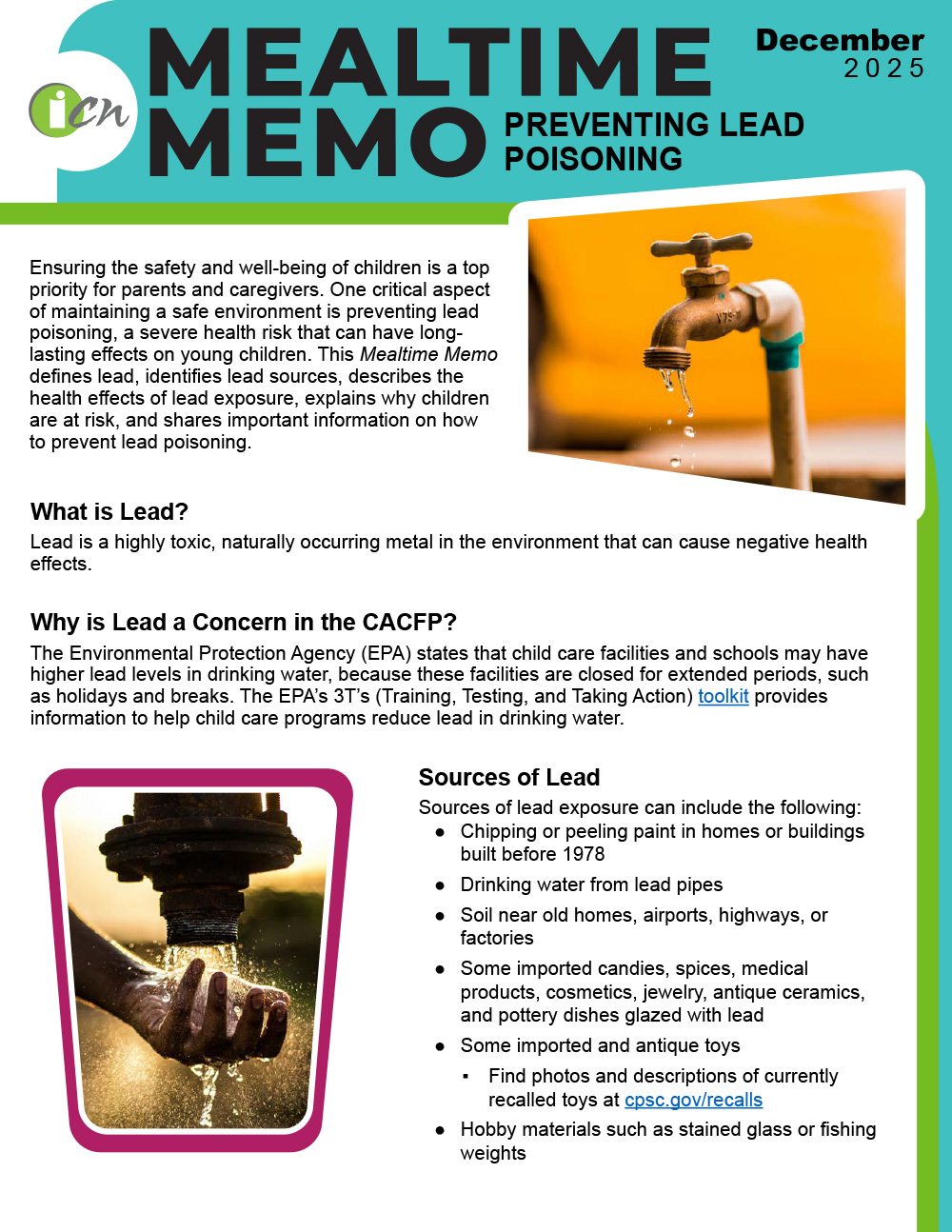
Credit: theicn.org
Frequently Asked Questions
How Does Paint On Toys Impact Child Safety?
Paint on toys can contain harmful chemicals like lead, risking poisoning and developmental issues. Non-toxic, certified paints ensure safer play for children.
What Chemicals In Toy Paint Are Hazardous?
Lead, cadmium, and other heavy metals in toy paint are toxic. They can cause brain damage and health problems if ingested or inhaled.
Are All Painted Toys Unsafe For Children?
No, toys painted with non-toxic, regulated paints are safe. Always check labels for safety certifications before buying painted toys.
How To Identify Safe Paint On Toys?
Look for labels like ASTM F963 or EN71 certification. These indicate the paint meets safety standards for children’s products.
Conclusion
Paint on toys can affect a child’s health and safety in many ways. Toxic chemicals in paint may cause allergies or poisoning. Choosing toys with safe, non-toxic paint is very important. Parents should check labels and buy from trusted brands.
Clean toys often to avoid paint chips or dust. Safe play means happy and healthy children. Always keep safety in mind when selecting toys. Simple steps help protect your child every day.
