
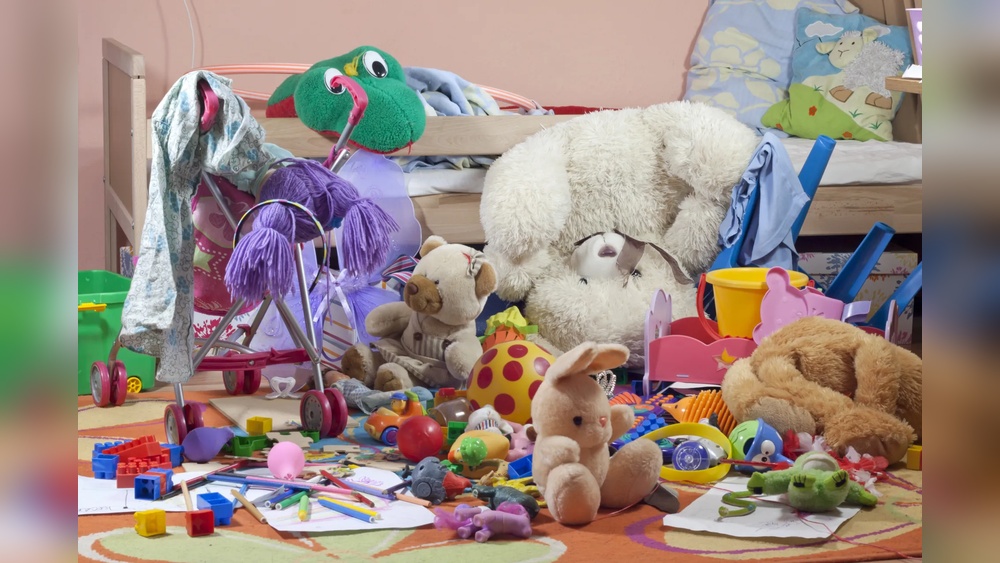
Have you ever looked around your child’s room and wondered, “How many toys are too many?” It’s easy to think that more toys mean more fun, but too many can actually overwhelm your child—and you.
Finding the right balance can help your child focus, be more creative, and enjoy their playtime fully. You’ll discover simple ways to decide just how many toys are enough to make your child happy without the clutter and stress. Keep reading to unlock the secret to a happier, more organized play space for your family.
Signs Of Toy Overload
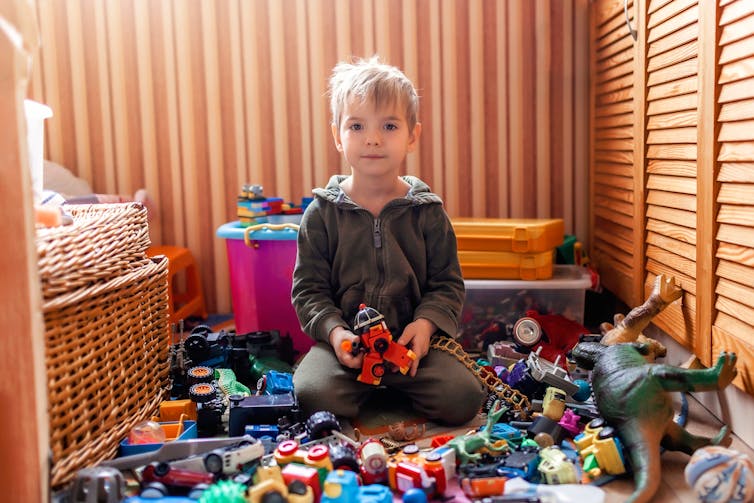
Toys are meant to bring joy and spark creativity. But too many toys can cause problems. Children might not enjoy their playtime fully. They may feel overwhelmed or distracted. Recognizing signs of toy overload helps parents manage this better.
Cluttered Play Spaces
A room full of toys can become messy quickly. Toys scattered everywhere make it hard to find favorites. Clutter can make playtime stressful instead of fun. Kids may avoid playing if space feels chaotic. A clean, organized area helps children focus and enjoy.
Short Attention Span
Too many toys can split a child’s attention. They jump from one toy to another without finishing. This stops deep, creative play from developing. Children may grow bored easily. Fewer toys encourage longer, more meaningful play sessions.
Lack Of Appreciation
When kids have too many toys, they may not value them. New toys lose their excitement quickly. Children might forget to care for their belongings. Teaching gratitude becomes harder with overload. Limiting toys helps kids appreciate each one more.
Benefits Of Fewer Toys
Having fewer toys can bring big benefits to children’s growth and happiness. A smaller collection helps kids use their minds more and enjoy playtime deeply. It also reduces mess and stress for parents. Fewer toys mean children learn important skills that last a lifetime.
Encourages Creativity
With fewer toys, children invent new ways to play. They mix and match ideas instead of following instructions. This freedom sparks imagination and original thinking. Kids create stories and adventures using what they have. It helps them become problem solvers and dreamers.
Improves Focus
Too many toys can distract children during play. Having fewer choices helps kids concentrate on one activity. This focus improves learning and attention skills. Children play longer and enjoy their toys more. It supports calm and thoughtful playtime.
Promotes Sharing
When toys are limited, kids often share better. They learn to take turns and cooperate with friends or siblings. Sharing builds kindness and social skills. It teaches children about fairness and teamwork. These lessons help them make friends easily.
Age And Development Factors
Age and development play a big role in deciding how many toys a child needs. Kids at different stages learn and play in unique ways. Giving them the right amount of toys helps their growth. Too many toys can cause distraction and stress. The right toys support skills like thinking, creativity, and coordination.
Toddlers And Simple Toys
Toddlers explore the world with their senses. They need simple toys that are safe and easy to use. Blocks, soft dolls, and shape sorters work well. A few toys that encourage movement and touch are best. Too many toys can confuse toddlers and reduce focus.
School-age Kids And Variety
School-age children enjoy a mix of toys. They like puzzles, art supplies, and building sets. A variety helps them try new skills and ideas. Keep toys organized to avoid mess and overwhelm. Limit toys to those that spark creativity and learning.
Teens And Hobby-driven Items
Teens often prefer toys that match their hobbies. Sports gear, musical instruments, or model kits fit their interests. Quality over quantity matters more at this stage. Too many items can clutter their space and distract focus. Support hobbies with thoughtful and useful items.

Credit: movethemess.com
Quality Vs. Quantity
Choosing quality over quantity in toys helps children enjoy and learn better. Too many toys can overwhelm kids and reduce their focus. Fewer, well-made toys encourage creativity and longer playtime.
Choosing Durable Toys
Durable toys last longer and save money. They can handle rough play and stay safe. Good materials like wood or strong plastic work well. Durable toys reduce waste and clutter in the playroom.
Educational Value
Toys that teach help children grow smarter. They improve skills like counting, reading, or problem solving. Educational toys keep kids interested and challenged. This type of toy offers fun and learning together.
Open-ended Play Options
Open-ended toys have many uses and encourage imagination. Blocks, art supplies, and dolls fit this type. These toys let kids create their own stories and games. They support creativity and flexible thinking during play.
Managing Toy Collection
Managing a child’s toy collection helps keep their play area neat and fun. Too many toys can overwhelm kids and parents alike. Organizing toys makes playtime more enjoyable and teaches children about order.
Simple methods can keep the toy pile under control. These steps save space and help kids focus on what they love.
Regular Decluttering
Set a routine to sort through toys often. Remove broken or unused items. Donate toys that no longer interest your child. This keeps the collection fresh and manageable.
Rotating Toys
Keep only a few toys out at a time. Store the rest away. Switch toys every few weeks to renew interest. This method reduces clutter and keeps playtime exciting.
Involving Kids In Decisions
Ask children which toys they want to keep. Let them help decide what to give away. This teaches responsibility and respect for their belongings. Kids feel more in control and proud of their space.

Credit: www.thekavanaughreport.com
Role Of Parents And Caregivers
Parents and caregivers play a key role in managing how many toys children have. They help children learn what is enough and what is too much. Setting limits helps kids value their toys more and avoid feeling overwhelmed. Adults also shape children’s habits by their own actions and choices.
Setting Boundaries
Clear rules about toy limits help children understand expectations. Parents can decide how many toys a child can keep at one time. This prevents clutter and teaches kids to make choices. Boundaries also make cleaning up easier and less stressful for everyone.
Modeling Minimalism
Children copy what adults do. Parents who live simply show kids that happiness does not come from many things. Keeping a tidy home with fewer items sends a strong message. This teaches children to appreciate what they have rather than wanting more.
Encouraging Experiences Over Things
Parents can shift focus from toys to activities. Spending time outside, reading, or playing games creates lasting memories. These experiences help children grow and learn more than new toys do. This habit also reduces the need for many possessions.
Credit: theconversation.com
Frequently Asked Questions
How Many Toys Are Ideal For A Child’s Development?
A balanced number of toys encourages creativity and focus. Experts suggest 10-15 toys per child to avoid overwhelm and promote meaningful play.
What Signs Indicate A Child Has Too Many Toys?
Signs include cluttered play areas, lack of interest, and difficulty choosing toys. Too many options can reduce engagement and joy during playtime.
How Does Toy Quantity Affect A Child’s Behavior?
Excessive toys can cause distraction and reduced attention span. Fewer toys help children develop patience, decision-making, and deeper play experiences.
Can Too Many Toys Impact A Child’s Creativity?
Yes, an overload of toys can limit imagination. Fewer toys encourage children to invent new games and explore different play styles.
Conclusion
Too many toys can overwhelm children and reduce their joy. A smaller number helps kids focus and play better. It also teaches them to care for what they have. Parents should choose quality over quantity for lasting fun. Balance is key to a happy, clutter-free play space.
Remember, meaningful play matters more than having lots of toys. Keep it simple, and watch your child’s creativity grow.
