
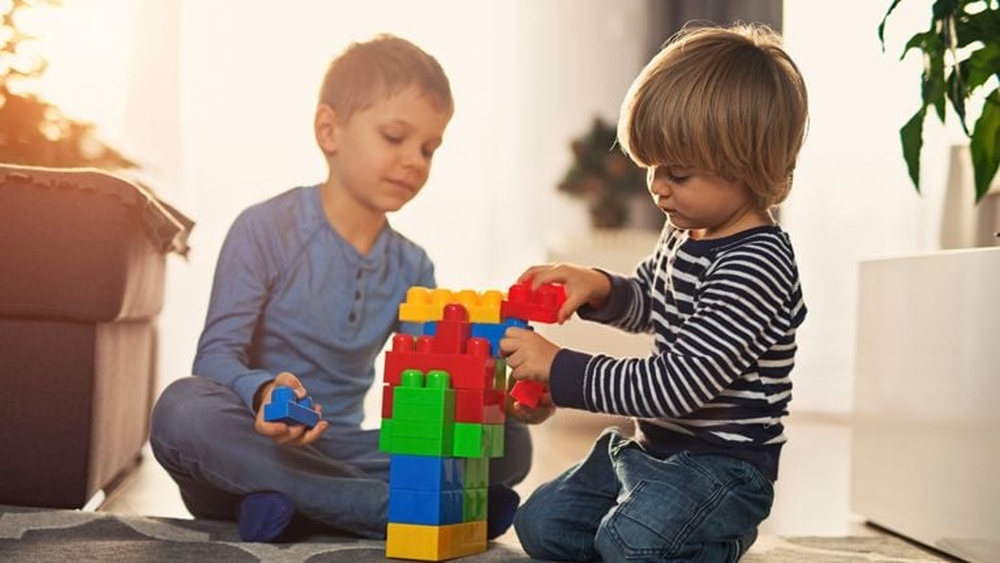
Have you ever wondered how long your child really plays with their toys? You might be surprised to learn that the time kids spend with their favorite toys can tell you a lot about their development, interests, and even their mood.
Understanding this can help you choose better toys and create a more engaging playtime. Keep reading to discover the surprising facts about kids’ playtime and how you can make every moment count for your little one.
Average Playtime By Age
Children’s playtime with toys changes as they grow. Their interest and focus vary by age. Knowing the average playtime helps parents and caregivers support healthy play habits.
This section explains typical playtime for different age groups. It covers toddlers, preschoolers, and school-age children. Each group has unique ways of engaging with toys.
Toddlers’ Toy Engagement
Toddlers often play in short bursts. Their attention span lasts about 10 to 15 minutes. They enjoy simple toys like blocks and soft animals. Toddlers explore toys by touching and mouthing them. Repetition helps them learn and feel secure. Frequent changes in toys keep their interest alive.
Preschoolers’ Play Patterns
Preschoolers play longer than toddlers. Their average playtime ranges from 20 to 30 minutes. They start to enjoy pretend play and puzzles. Social play with friends or siblings begins here. Imaginative games help develop language and thinking skills. Preschoolers switch toys but often return to favorites.
School-age Kids And Play Duration
School-age children can focus for 30 minutes or more. Their play becomes more complex and goal-driven. They enjoy board games, building sets, and sports equipment. Play may include friends or happen alone. Longer play sessions support creativity and problem-solving. Interest depends on the toy and the child’s mood.
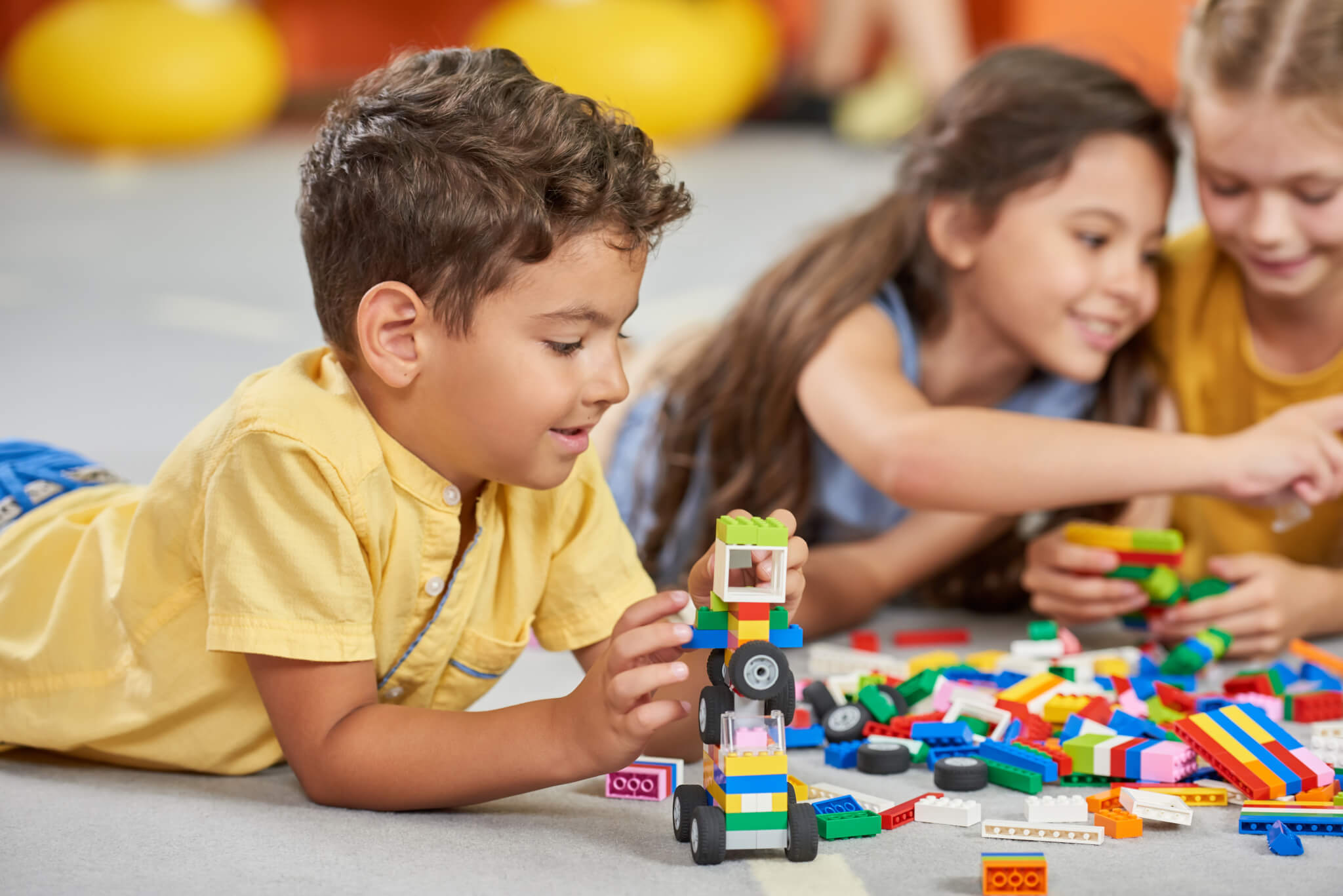
Credit: autismawarenesscentre.com
Factors Influencing Playtime
Several factors influence how long kids play with their toys. These factors affect their interest and attention span. Understanding them helps parents and caregivers choose better toys. It also helps create a fun playtime environment.
Type Of Toy
Toys vary in complexity and appeal. Simple toys may hold attention for a short time. Toys that allow creativity last longer. Interactive toys often keep kids engaged. Electronic toys can attract kids but sometimes lose interest quickly.
Child’s Interests
Every child has unique likes and dislikes. A toy that matches their interests holds attention longer. Kids enjoy toys related to their favorite stories or hobbies. A mismatch between toy and interest can shorten playtime. Observing a child’s preferences helps pick the right toys.
Environment And Setting
Where kids play affects their focus. A quiet, comfortable space encourages longer play. A noisy or crowded place may distract children. Outdoor settings offer different play experiences than indoors. The presence of others can either extend or reduce playtime.
Short-term Vs Long-term Interest
Children’s interest in toys varies greatly. Sometimes, kids play with a toy for just a few minutes. Other times, they keep playing for days or weeks. Understanding why this happens helps parents and teachers choose better toys. The difference lies in short-term versus long-term interest.
Short-term interest happens when a toy is new and exciting. Long-term interest happens when a toy stays fun and useful over time. Different factors affect how long a child plays with a toy. Let’s explore these factors in detail.
Novelty Effect
The novelty effect means kids like new toys at first. Bright colors, sounds, or shapes catch their eye. They play a lot at the start. But this interest often fades quickly. The toy becomes less exciting after the first days. Kids want something new again.
Sustained Engagement
Sustained engagement means kids keep playing with a toy longer. Toys that offer challenges or new things to learn hold interest. Toys with parts to build or change work well. Kids feel proud when they solve problems. This keeps them coming back to the toy.
Role Of Imaginative Play
Imaginative play helps kids enjoy toys for a long time. Toys that let children pretend or create stories last longer. Dolls, action figures, and blocks support this play. Kids imagine different worlds and roles. This type of play grows with the child’s age and skills.
Impact Of Technology On Play
Technology has changed how children play today. It affects the time kids spend on toys and screens. Play habits now include digital devices alongside traditional toys.
Many children enjoy playing on tablets and smartphones. These devices offer games, videos, and interactive learning. This new kind of play can be very engaging and fast-paced.
Digital Toys And Screens
Digital toys include apps, video games, and smart devices. They attract children with bright colors and sounds. Kids often use them for longer periods than usual.
Screens provide instant feedback and rewards. This keeps children interested and wanting more. Yet, too much screen time can reduce physical and social play.
Parents and teachers watch screen use closely. They set limits to balance digital play with other activities. Finding the right mix helps children stay healthy and happy.
Traditional Toys Vs Electronic Toys
Traditional toys are simple and often encourage imagination. Blocks, dolls, and cars promote creativity and problem-solving. Children may play with these toys for shorter or longer times.
Electronic toys respond to touch, voice, or movement. They combine play with learning tools. Some kids spend more time with electronic toys due to their interactive nature.
Both types of toys have benefits. Traditional toys build social skills and fine motor skills. Electronic toys develop tech skills and cognitive abilities.
Choosing toys depends on a child’s interest and needs. Balancing both can improve a child’s overall development.
Parental Role In Play Duration
Parents have a big role in how long kids play with toys. They guide and shape play habits. This helps kids learn and enjoy playtime. The right balance of support and limits helps kids stay interested. Parents can make playtime fun and meaningful.
Encouraging Play
Parents can encourage kids to play by offering new toys. Showing excitement about play helps kids want to join in. Praise and attention keep kids interested in toys. Letting kids choose what to play boosts their confidence. A positive attitude toward play makes kids come back for more.
Setting Limits
Setting clear limits on playtime helps kids focus. Too much play can make kids lose interest. Limits teach kids to balance play with other activities. Parents can set timers to remind kids when to stop. Consistent rules help kids understand when playtime ends.
Participating In Playtime
Joining kids during play makes the time more fun. Parents show how to use toys and play safely. Playing together strengthens the parent-child bond. It also helps parents see what toys interest their kids. Active participation keeps kids engaged longer.
Benefits Of Extended Play
Extended play with toys offers many benefits for children. It helps them learn important skills and grow in many ways. Playing for longer times supports brain growth and prepares kids for school and life. It also makes playtime more fun and meaningful.
Children who play longer develop better thinking skills, social habits, and creativity. Let’s explore these benefits in detail.
Cognitive Development
Playing with toys for longer helps kids think and solve problems. They learn cause and effect, memory, and planning. Toys like puzzles, blocks, and building sets boost brain activity. Extended play allows children to understand new ideas better. Their attention span and focus improve over time.
Social Skills
Longer playtime often involves other children or adults. Kids learn to share, take turns, and communicate. These skills build friendships and teach respect. Role-playing games help children understand feelings and cooperation. Playing together also improves listening and speaking abilities.
Creativity Enhancement
Extended play sparks imagination and creativity. Children create stories, designs, and new ideas with toys. Art, building, and pretend play allow free expression. The more time kids spend playing, the more original and confident they become. Creativity helps children solve problems in daily life.
Tips To Increase Toy Engagement
Keeping kids interested in their toys can be a challenge. Toys often lose their appeal quickly. Parents need simple ways to make playtime last longer. These tips help children enjoy their toys more. They also support learning and creativity during play.
Rotating Toys
Rotate toys regularly to keep things fresh. Put some toys away for a while. Bring them back after a break. This makes old toys feel new again. Kids get excited to see their favorite toys again. It also stops boredom from setting in.
Introducing New Challenges
Add new challenges to toys to boost interest. Change the way your child plays with a toy. For example, build new structures with blocks. Or create stories with action figures. Challenges make play more fun and thoughtful. They help kids develop skills without noticing.
Creating Play Routines
Set a daily or weekly play routine. Regular playtime helps children expect and enjoy toys. Use specific times for different types of play. For example, quiet toy time before bed. Or outdoor play with active toys. Routines give structure and make play more special.

Credit: childmind.org

Credit: naturespath.com
Frequently Asked Questions
How Long Do Kids Typically Play With Toys?
Kids usually play with toys for 15 to 45 minutes per session. Younger children may have shorter attention spans, while older kids engage longer. Playtime varies based on the toy’s appeal and the child’s interest level.
Why Do Kids Lose Interest In Toys Quickly?
Children lose interest when toys become too familiar or lack challenge. Novelty and stimulation keep play engaging. Rotating toys and introducing new activities can sustain their interest and encourage longer play sessions.
Does Age Affect How Long Kids Play With Toys?
Yes, age greatly affects playtime duration. Toddlers play briefly, often under 20 minutes. Preschoolers and school-age kids can focus for longer, sometimes up to an hour. Developmental stages influence attention spans and play preferences.
How Can Parents Extend Kids’ Toy Playtime?
Parents can extend playtime by choosing interactive, age-appropriate toys. Encouraging creativity and joining play boosts engagement. Regularly rotating toys and creating play routines also help maintain children’s interest longer.
Conclusion
Kids’ playtime with toys varies by age and interest. Younger children often play longer, exploring and learning. Older kids may switch toys quickly, seeking new challenges. Play helps develop skills and creativity. Parents can encourage play by offering diverse toys.
Remember, quality matters more than quantity in playtime. Watching how kids engage reveals what they enjoy most. Toys bring joy and help growth. Keep playtime fun and varied for happy, healthy kids.
