
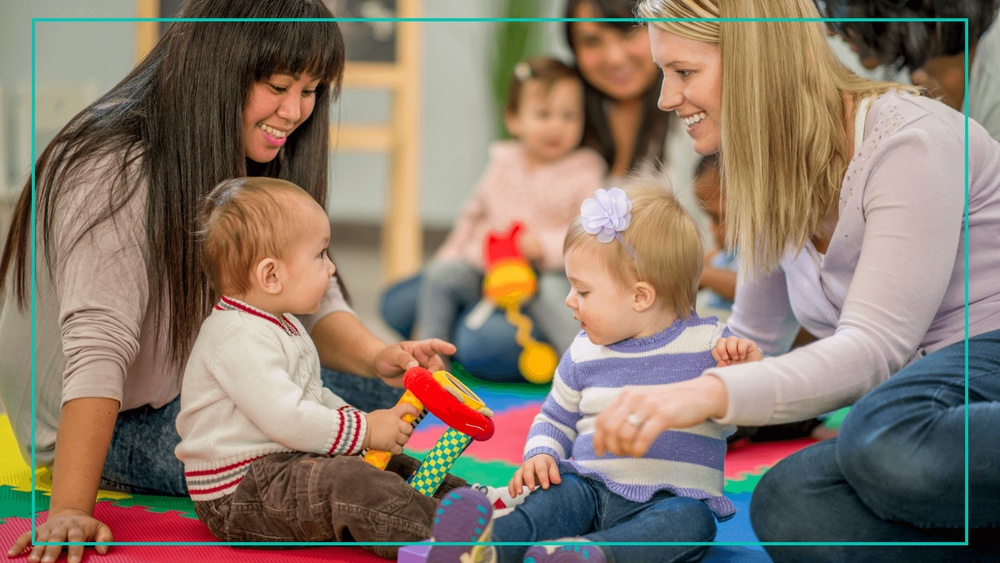
Have you ever noticed how your child’s playtime is more than just fun? Toys are not just objects—they are bridges that connect kids to each other.
When children share, trade, or create stories with their toys, they’re learning how to socialize. You might wonder why this matters or how it really happens. Keep reading, and you’ll discover surprising ways toys help your child build friendships, communicate better, and understand the world around them.
This could change how you see playtime forever.
Role Of Toys In Social Skills
Toys play a big part in how kids learn to talk and play with others. They help children practice sharing, taking turns, and working as a team. Through toys, kids start to understand feelings and ideas. These skills are important for making friends and getting along with others. Toys make social learning fun and natural.
Toys As Social Tools
Toys act as bridges between kids. They give children a reason to come together. Toys like blocks or dolls invite kids to build or pretend together. This shared play helps children learn to cooperate and solve problems. Toys create moments where kids learn to listen and respond.
Encouraging Communication
Playing with toys encourages kids to talk more. They describe what they are doing or ask questions. Toys like puzzles or board games need talking to play right. Kids practice words and sentences through these interactions. This helps build their confidence in speaking and understanding others.
Building Empathy Through Play
Toys help kids feel what others feel. Role-play toys like dolls or action figures let children act out different feelings. This helps them understand how others might think or feel. Playing in this way grows kindness and care. Empathy starts with seeing the world from someone else’s view.

Credit: montessori-academy.org
Types Of Toys That Promote Interaction
Toys play a big role in how kids learn to talk and play with others. Some toys help children work together. Others encourage sharing ideas and taking turns. These toys build social skills early on. They make playtime fun and meaningful.
Choosing toys that promote interaction helps kids develop friendships. It also improves their communication and teamwork skills. Here are some types of toys that bring children together.
Collaborative Board Games
Collaborative board games require players to work as a team. Kids solve problems together or reach goals. They learn to listen and share ideas. These games reduce competition and build trust. Playing together creates a strong bond among children.
Building Sets And Construction Toys
Building sets let kids create things side by side. They share pieces and plan designs together. This type of play encourages teamwork and patience. Kids practice taking turns and helping each other. They feel proud when they finish a project as a group.
Role-playing And Dress-up Kits
Role-playing toys help kids act out different roles. They practice talking and understanding feelings. Dress-up kits spark imagination and creativity. Children learn how to cooperate by playing different characters. These toys teach empathy and social awareness.
Creative Play And Imagination
Creative play and imagination help children connect with others through toys. They build worlds and stories together, sharing ideas and feelings. This type of play boosts their social skills and helps friendships grow. Kids learn to work as a team and understand each other better.
Inventing Stories Together
Children use toys to create fun stories. They take turns adding details and characters. This sharing helps them listen and speak clearly. Imagining together makes playtime exciting and social. It teaches kids how to express thoughts in words.
Problem-solving In Groups
Toys often bring challenges that kids solve as a team. They figure out rules and ways to win or complete tasks. Working through problems builds patience and cooperation. Group play shows how to handle disagreements calmly. Kids learn to support each other and find solutions.
Expressing Emotions Through Play
Toys give children a safe space to show feelings. They act out happiness, sadness, or anger using dolls or action figures. This helps kids understand their emotions better. Sharing these feelings with friends creates trust. Play becomes a way to communicate without words.
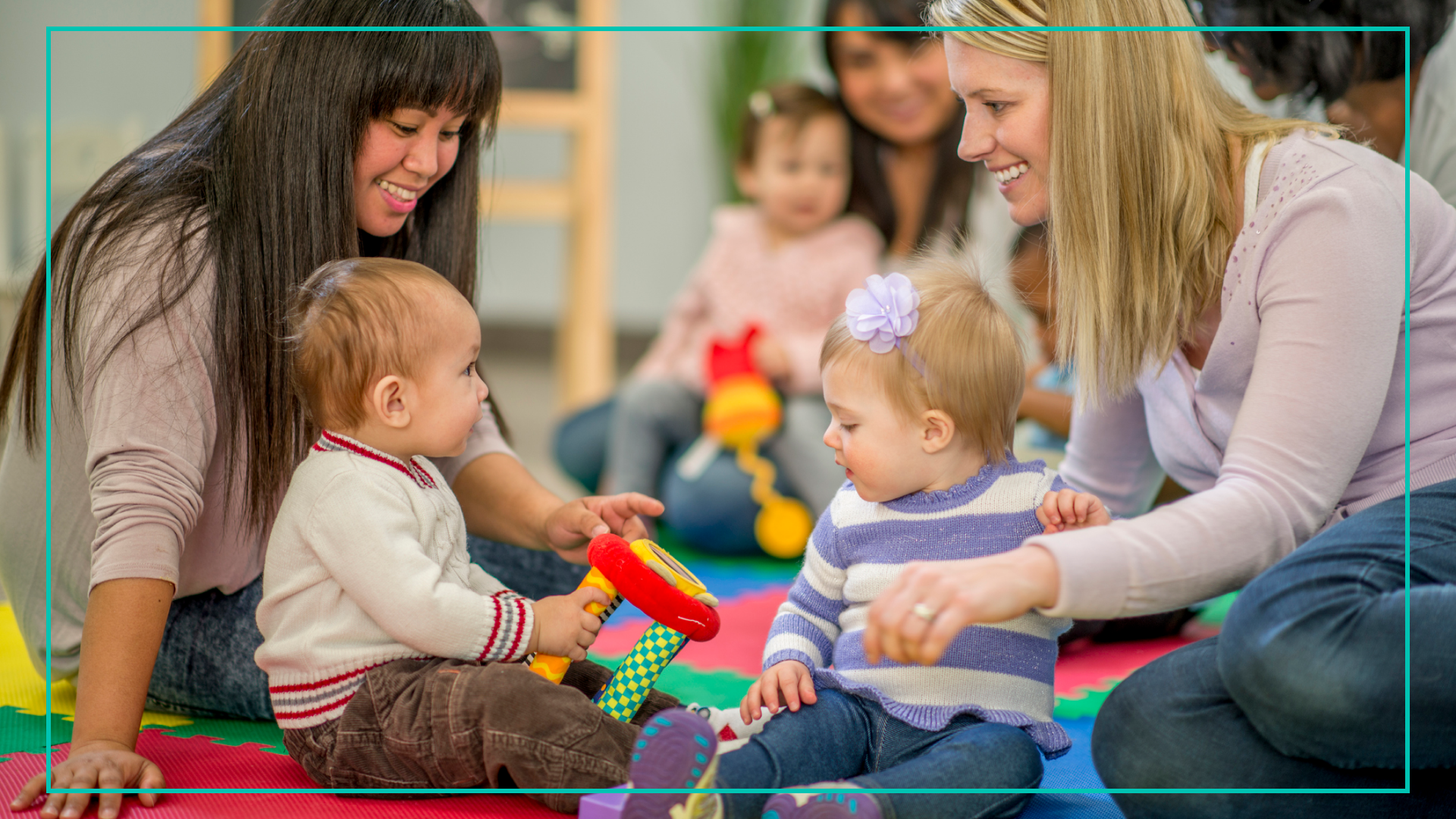
Credit: www.theskimm.com
Toys As Friendship Catalysts
Toys play a big role in how children make friends. They bring kids together in a natural way. Toys create moments where children connect and share joy. Through play, kids learn how to work with others and build bonds. Sharing a toy or playing a game can start a new friendship. Toys help children express feelings and understand each other better.
Playing with toys teaches important social skills. Kids practice talking, listening, and solving problems. These skills grow stronger as children play together more often. Toys act like bridges, linking kids in friendship and cooperation.
Sharing And Turn-taking
Sharing toys is a simple way children learn to care for others. Taking turns helps kids wait and be patient. These actions show respect and kindness. Sharing and turn-taking teach fairness in a fun way. Kids feel happy when they play together and share toys.
Developing Trust And Cooperation
Toys encourage teamwork. Children trust each other as they build or create together. Cooperation grows when kids work toward a common goal. Trust helps friends support each other during play. Toys make working together exciting and rewarding.
Resolving Conflicts With Toys
Disagreements happen when kids play with toys. Toys give children a chance to solve problems. They learn to talk, listen, and find solutions. Conflict resolution builds patience and understanding. Toys help children handle fights calmly and fairly.
Impact Of Technology-enhanced Toys
Technology-enhanced toys shape how children connect and play together. They bring new ways for kids to interact beyond traditional toys. These toys mix learning and fun, helping children build social skills in fresh ways.
They also introduce digital tools that encourage sharing and teamwork. This blend of tech and play changes how children communicate and form friendships.
Interactive And Smart Toys
Interactive toys respond to children’s actions with sounds, lights, or movements. Smart toys use sensors and AI to adapt to play styles. These features make playtime more engaging and social. Kids often team up to explore these toys together. They ask questions, share ideas, and solve problems as a group.
Balancing Screen Time And Social Play
Technology toys often include screens, which can limit face-to-face interaction. Parents and teachers must encourage breaks from screens. Combining tech play with physical toys helps balance social skills. Outdoor play and group games remain important for kids’ growth. This mix supports healthy development and stronger friendships.
Fostering Digital Collaboration
Many tech toys allow children to connect online or through apps. Kids learn to work together on digital projects or games. This teaches teamwork, communication, and problem-solving skills. Digital collaboration also prepares children for future learning and work. Sharing ideas and helping each other online builds social confidence.

Credit: buckscountyparent.com
Tips For Parents And Educators
Helping children learn to socialize through toys is important. Parents and educators play a big role in guiding playtime. Choosing the right toys and setting up good play spaces can boost social skills. Teaching kids to share, talk, and work together starts with how they play. Here are some useful tips.
Selecting Socially Engaging Toys
Pick toys that invite group interaction. Toys like building blocks, dolls, and board games help children talk and share ideas. Avoid toys that encourage solo play only. Look for items that inspire cooperation and teamwork. Toys with open-ended uses let kids create together.
Encouraging Group Play
Set up playdates or small group activities often. Guide children to take turns and listen to each other. Use games that need teamwork and communication. Praise sharing and kindness during play. Step in gently if conflicts arise and help solve them.
Creating Inclusive Play Environments
Make sure play areas welcome all children. Include toys that represent different cultures and abilities. Arrange spaces so children can play face-to-face easily. Avoid crowded or noisy areas that distract from socializing. Encourage respect and kindness among all kids.
Frequently Asked Questions
How Do Toys Help Kids Develop Social Skills?
Toys encourage kids to share, take turns, and cooperate. Playing together promotes communication and empathy. These interactions build essential social skills from an early age, preparing children for real-world relationships.
Why Are Role-playing Toys Important For Socialization?
Role-playing toys let kids imitate real-life situations. This boosts creativity, teamwork, and understanding of social roles. Children learn how to express emotions and solve conflicts while playing, enhancing their social development.
Can Toys Improve Communication Among Children?
Yes, toys stimulate conversations and collaborative play. They create opportunities for kids to explain ideas and listen to others. This practice strengthens verbal skills and helps children interact confidently.
What Types Of Toys Encourage Group Play?
Board games, building sets, and interactive dolls promote group play. These toys require cooperation and joint decision-making. They foster friendships and teach kids how to work as a team.
Conclusion
Toys help kids learn how to talk and share with friends. Playing together builds trust and teamwork skills. Kids use toys to express feelings and ideas. They practice solving problems while having fun. Socializing through toys makes friendships stronger. It also helps children grow confident and happy.
Parents should encourage playtime with different toys. This supports healthy social and emotional growth. Toys create a safe space for kids to connect. They prepare children for social life outside play.
