
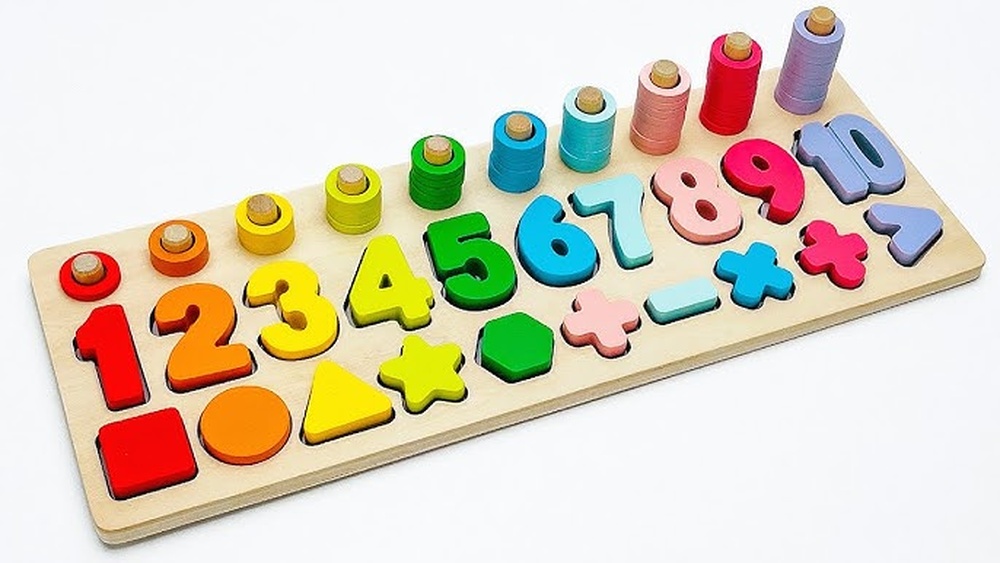
Have you ever wondered how your child learns while playing with toys? Toys are not just for fun—they are powerful tools that help your little ones grow and discover the world around them.
When your child plays, they are actually practicing important skills like thinking, problem-solving, and creativity. Imagine if you could unlock the secret to turning playtime into a learning adventure. Keep reading, and you’ll find out how the right toys can shape your child’s development in surprising and exciting ways.
Role Of Play In Learning
Play is a natural way children learn about the world. Toys help children explore new ideas and skills. Through play, kids discover how things work and develop their minds.
Play makes learning fun and meaningful. It builds a strong foundation for future growth. Children learn at their own pace while enjoying their toys.
Cognitive Development Through Toys
Toys challenge children to think and solve problems. Puzzles improve memory and attention. Building blocks teach spatial awareness and planning. Pretend play boosts creativity and imagination. These activities grow a child’s brain and help them understand new concepts.
Emotional Growth And Play
Play helps children express feelings safely. Toys become tools to share joy, fear, or anger. Acting out stories supports emotional understanding. Kids learn to manage emotions and develop empathy. Emotional growth during play builds confidence and self-control.
Social Skills Gained From Group Play
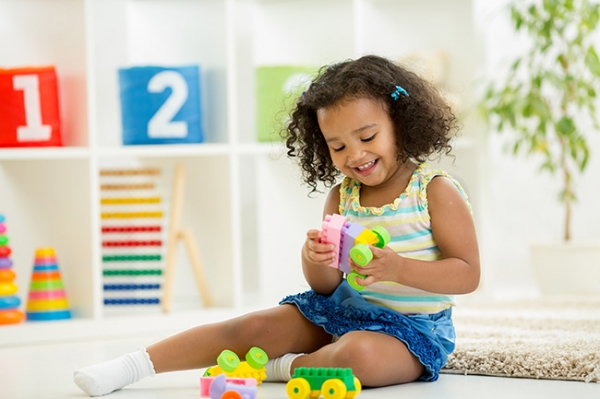
Group play teaches sharing and cooperation. Children practice taking turns and listening. Playing with others helps solve conflicts calmly. Kids learn to communicate and work as a team. Social skills from play prepare children for real-life relationships.
Credit: www.creativechild.com
Types Of Educational Toys
Educational toys come in many types. Each type helps kids learn different skills. Toys can boost creativity, problem-solving, and social abilities. Choosing the right toy can make learning fun and effective.
Building And Construction Sets
Building sets help kids develop fine motor skills and hand-eye coordination. They learn about shapes, balance, and spatial awareness. These toys encourage creativity and logical thinking. Popular sets include blocks, magnetic tiles, and snap-together pieces.
Creative Art Supplies
Art supplies let kids express their imagination. Drawing, painting, and crafting improve hand control and focus. Kids explore colors, shapes, and textures through art. These activities also build patience and confidence.
Stem And Science Kits
STEM kits introduce science, technology, engineering, and math concepts. They include experiments and building projects. Kids learn about cause and effect and develop critical thinking. These kits make learning science fun and hands-on.
Pretend Play And Role-playing Toys
Pretend play toys help kids practice social skills and empathy. They act out real-life situations and stories. Role-playing builds language and emotional understanding. Costumes, dolls, and playsets inspire imagination and cooperation.
Boosting Creativity With Toys
Toys play a big role in helping kids grow their creativity. Through play, children explore new ideas and express themselves freely. Toys spark imagination and help kids think in new ways. Creative play also builds confidence and problem-solving skills. Choosing the right toys can make a big difference in how children learn and create.
Encouraging Imaginative Thinking
Toys that do not have fixed rules help kids imagine freely. Dolls, action figures, and dress-up clothes let children create stories. They learn to think beyond what they see. Imaginative play helps kids develop language and social skills. It also encourages them to dream and invent.
Problem-solving Through Play
Toys like puzzles and building blocks challenge kids to solve problems. They learn to try different solutions and think ahead. This type of play teaches patience and persistence. Kids feel proud when they figure things out. It builds their confidence and logical thinking skills.
Open-ended Vs Structured Toys
Open-ended toys have no set way to play. Examples include clay, blocks, and art supplies. These toys encourage creativity and exploration. Structured toys have specific rules or goals, like board games or model kits. Both types help learning but in different ways. Balance is key to support all areas of growth.
Skill Development Through Toys
Toys do more than entertain children. They help kids learn important skills. Playing with toys supports growth in many areas. This skill development sets a strong foundation for future learning. Kids gain abilities step by step, often without noticing.
Different toys target different skills. Some focus on hands and fingers. Others encourage talking or thinking. The right toy at the right time can make a big difference.
Fine Motor Skills And Dexterity
Toys like building blocks and puzzles improve hand control. Kids practice picking up, holding, and placing objects. These actions strengthen small muscles in fingers and hands. Better fine motor skills help with writing and daily tasks. Dexterity grows as children repeat these movements. Toys challenge kids to be precise and careful.
Language And Communication
Toys such as dolls and interactive books boost talking skills. Kids learn new words and how to form sentences. Playing with others encourages sharing ideas and listening. Communication skills grow through role play and storytelling. Toys create chances for kids to express themselves clearly. Language skills improve with practice and fun.
Critical Thinking And Reasoning
Puzzles and strategy games develop problem-solving skills. Kids learn to think ahead and make decisions. Toys encourage exploring different solutions to challenges. Reasoning skills improve as children test ideas and see results. Critical thinking helps kids understand cause and effect. Toys make learning logical thinking enjoyable and natural.
Choosing The Right Toys For Ages
Choosing the right toys for each age helps children learn better. Toys should match their skills and interests. Age-appropriate toys support growth and keep kids safe. They also make playtime fun and educational.
Toys that suit a child’s age encourage creativity and problem-solving. They help develop fine motor skills and language. Picking the right toys builds confidence and curiosity.
Toys For Toddlers
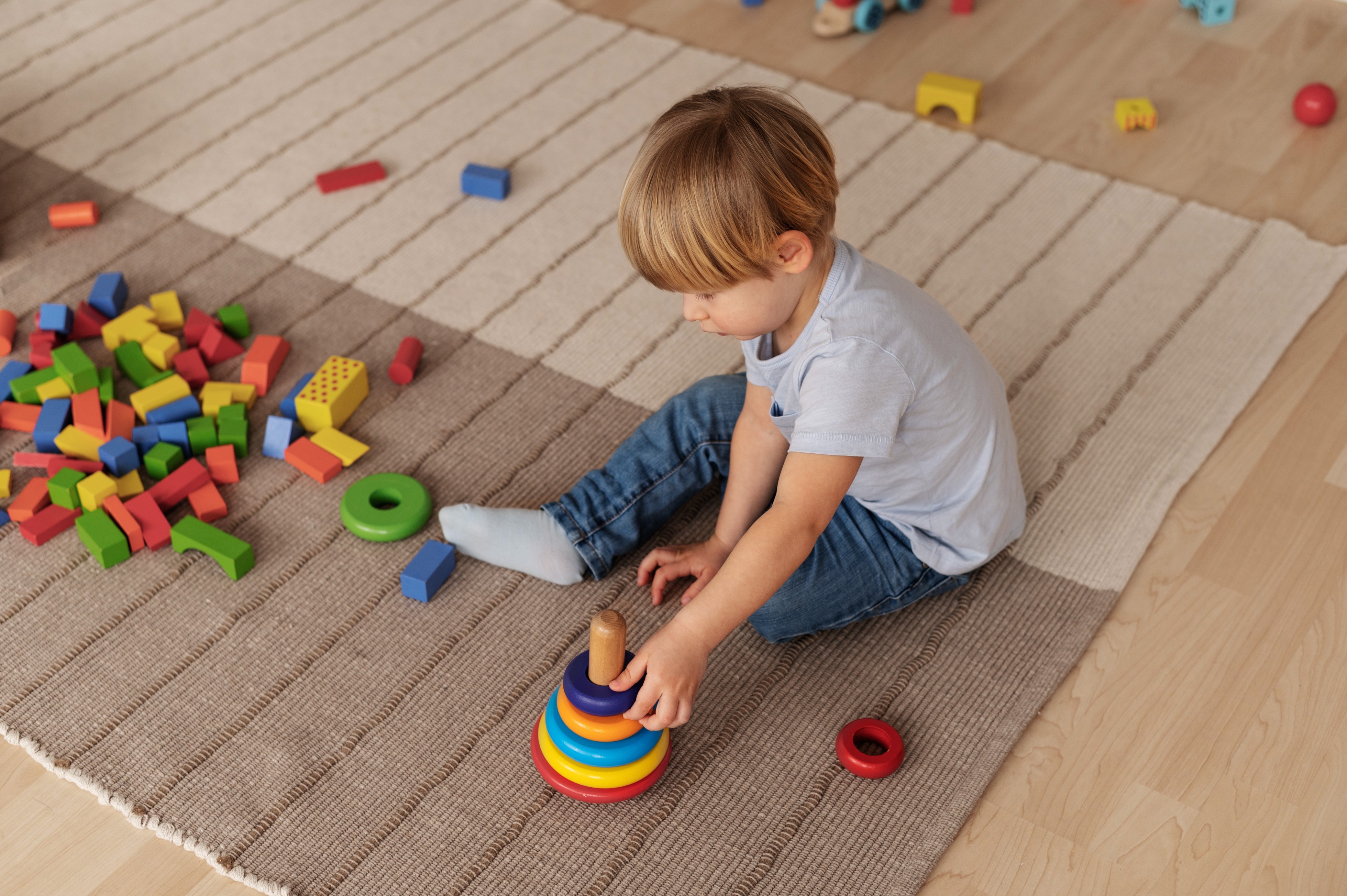
Toddlers learn by exploring and touching. Simple toys with bright colors and different textures work well. Blocks, stacking cups, and soft dolls help develop hand-eye coordination. Toys that make sounds teach cause and effect. Safe toys without small parts prevent choking hazards.
Toys For Preschoolers
Preschoolers love to pretend and use their imagination. Dress-up clothes, play kitchens, and animal figures are great choices. Puzzles and building sets improve thinking and problem-solving. Art supplies encourage creativity and fine motor skills. Toys that involve sharing help social skills grow.
Toys For Early School Age
Children at this age enjoy challenges and learning new skills. Board games and science kits build focus and logic. Books with simple stories boost reading skills. Sports equipment promotes physical activity and teamwork. Construction sets encourage planning and creativity.
Parental Role In Play
Parents play a big role in how children learn through toys. Their involvement shapes how kids explore, imagine, and understand the world. Play is not just fun; it is a key way children develop important skills. Parents guide and support this learning journey.
Encouraging Exploration And Curiosity
Parents can spark curiosity by asking questions about toys. Simple prompts like “What does this do?” invite children to explore. Showing interest in play helps kids feel confident. It encourages them to try new ideas and solve problems on their own.
Balancing Screen Time And Toy Play
Toys offer hands-on learning that screens cannot replace. Parents should set limits on screen time to protect playtime with toys. This balance helps children develop physical and social skills. Toys promote creativity, which screens often limit. Keeping this balance supports healthy brain growth.
Creating A Stimulating Play Environment
A rich play space with diverse toys invites learning. Parents can include puzzles, blocks, and art supplies. A well-organized area makes it easy for kids to choose toys. Changing toys regularly keeps play fresh and exciting. This environment boosts imagination and critical thinking.
Measuring Learning Outcomes
Measuring learning outcomes helps understand how toys support a child’s growth. It shows what skills children develop through play. Parents and educators can see real progress. They can also adjust activities to fit each child’s needs.
Observing Progress In Play
Watching children play reveals how they learn. Notice how they use toys over time. Do they solve puzzles faster? Are they more creative? These clues show skill improvement. Play changes as children grow and learn new things.
Adapting Toys To Child’s Interests
Children learn best when toys match their interests. Change toys based on what excites them. This keeps learning fun and engaging. Toys that fit their hobbies boost focus and motivation. It helps build skills naturally during play.
Tracking Skill Milestones
Set small goals to track learning steps. Look for milestones like counting, sorting, or building. Celebrate each achievement to encourage more effort. Keeping records helps identify strengths and areas to improve. This creates a clear picture of growth over time.

Credit: www.youtube.com
Credit: www.mynametags.com
Frequently Asked Questions
How Do Toys Help Kids Learn New Skills?
Toys encourage hands-on learning and creativity. They develop motor skills, problem-solving, and social interaction. Educational toys promote cognitive growth by making learning fun and engaging.
What Types Of Toys Boost Child Development?
Building blocks, puzzles, and role-play sets enhance critical thinking and coordination. Sensory toys support sensory processing. Interactive toys improve communication and emotional skills.
When Should Kids Start Learning With Toys?
Learning through toys begins in infancy. Simple rattles and soft toys stimulate senses early. As children grow, complex toys match their developmental stages and learning needs.
Can Toys Improve Kids’ Social Skills?
Yes, toys promote sharing, cooperation, and communication. Group play encourages teamwork and empathy. Role-playing toys help children understand social roles and emotions.
Conclusion
Toys help kids learn by making play fun and meaningful. They build skills like thinking, talking, and moving. Kids explore new ideas while they play. Toys also teach sharing and working with others. Parents and teachers can choose toys that match a child’s needs.
Learning through toys happens naturally and happily. This approach helps children grow and enjoy learning every day. Simple toys can make a big difference in a child’s development. Play is more than fun—it is a key part of learning.
