
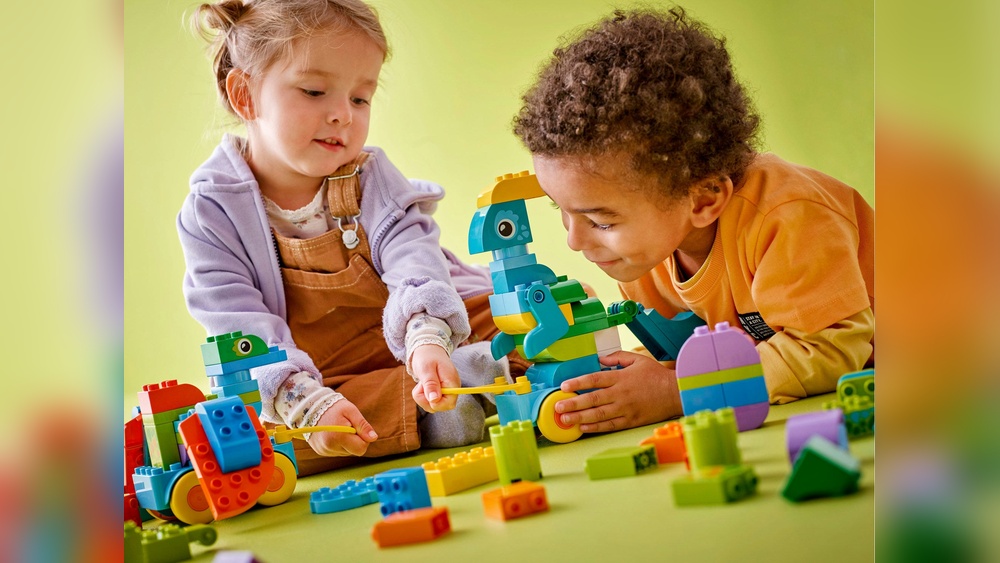
Have you ever wondered how the toys your toddler plays with can do more than just entertain? Toys are powerful tools that can shape your child’s growth in surprising ways.
They help build important skills like thinking, moving, and talking. When you choose the right toys, you’re not just giving your toddler fun—you’re giving them a head start in learning. Keep reading to discover how toys can support your toddler’s learning and how you can make the most of playtime to boost their development.
Role Of Toys In Toddler Growth
Toys play a big part in a toddler’s growth. They help children learn new skills and explore the world. Toddlers learn through play, and toys provide a safe way to try new things. Different toys help with different parts of development. These include physical, cognitive, and emotional growth. Understanding how toys support these areas helps parents choose the right toys for their toddlers.
Physical Development
Toys help toddlers build strong muscles and improve coordination. Blocks, balls, and push toys encourage movement and balance. These activities develop hand-eye coordination and fine motor skills. Toddlers learn to control their bodies by grasping, throwing, and stacking. Active play with toys supports healthy physical growth.
Cognitive Skills
Toys challenge a toddler’s thinking and problem-solving abilities. Puzzles, shape sorters, and simple games teach cause and effect. Toddlers learn to recognize colors, shapes, and sizes. Playing with toys boosts memory and attention span. These skills form the foundation for later learning in school.
Emotional Growth
Toys help toddlers express their feelings and build confidence. Dolls and stuffed animals offer comfort and a way to practice care. Role-playing toys encourage imagination and social skills. Through play, toddlers learn to manage emotions and develop empathy. Toys support a child’s emotional well-being and self-awareness.

Credit: www.kidkraft.com
Types Of Toys That Boost Learning
Toys play a key role in toddler learning. They help children explore the world and develop skills. Different types of toys support various parts of brain growth. Choosing the right toys can make learning fun and effective. Below are some toy types that boost learning in toddlers.
Building Blocks And Puzzles
Building blocks and puzzles improve problem-solving skills. Toddlers learn to match shapes and colors. They also develop hand-eye coordination and fine motor skills. These toys encourage creativity and spatial awareness. Playing with blocks helps children understand balance and structure.
Art And Craft Supplies
Art supplies like crayons and paper boost imagination. Toddlers express feelings through drawing and coloring. Craft activities improve hand strength and coordination. These toys support language skills by naming colors and shapes. Art encourages focus and patience in young learners.
Interactive And Educational Toys
Interactive toys teach numbers, letters, and sounds. They respond to touch or voice, making learning active. Educational toys build memory and listening skills. They keep toddlers engaged with fun learning games. These toys help develop early math and language skills.
Encouraging Creativity Through Play
Creativity grows best through play. Toddlers learn to think in new ways. Toys help children explore ideas freely. They build imagination and problem-solving skills.
Encouraging creativity through play helps toddlers express themselves. It supports brain growth and emotional development. Playtime becomes a chance to discover and invent.
Imaginative Play Ideas
Simple objects can spark big ideas. A box becomes a spaceship or a castle. Toddlers can create stories and adventures. This kind of play boosts language and thinking.
Try combining toys with everyday items. Use scarves as capes or sticks as magic wands. The child’s mind will fill in the blanks. Imaginative play grows confidence and curiosity.
Open-ended Toys
Open-ended toys have no set rules or final shape. Blocks, clay, and puzzles fit this category. Toddlers choose how to use these toys. This freedom encourages creative problem solving.
Such toys promote exploration and inventiveness. Children experiment with colors, shapes, and textures. Open-ended play supports independent thinking and focus.
Role-playing Sets
Role-playing sets let toddlers imitate real-life roles. Kitchen sets, doctor kits, and toolboxes are popular. Acting out scenarios builds social and communication skills.
Role play helps toddlers understand emotions and actions. It teaches empathy and cooperation. These sets open doors to endless creative stories.
Enhancing Motor Skills
Enhancing motor skills is a key part of toddler learning. Toys help children develop control and coordination in their movements. Strong motor skills support daily tasks like eating, dressing, and playing. Toddlers gain confidence as they practice new physical abilities. Different types of toys target specific motor skills, making play both fun and educational.
Fine Motor Activities
Fine motor skills involve small movements using fingers and hands. Toys like building blocks, puzzles, and bead stringing help improve these skills. Toddlers practice gripping, pinching, and manipulating objects. These activities strengthen hand muscles and improve hand-eye coordination. Simple tools like crayons or playdough also promote fine motor development.
Gross Motor Toys
Gross motor skills involve large body movements like running and jumping. Toys such as ride-on cars, balls, and push toys encourage toddlers to move. These toys improve balance, strength, and coordination. Active play with gross motor toys helps toddlers explore space and develop body awareness. Physical activity supports healthy growth and energy use.
Sensory Play Options
Sensory play toys stimulate senses like touch, sight, and sound. Examples include textured balls, musical instruments, and water tables. Sensory play helps toddlers explore different materials and sensations. This type of play supports motor skills by encouraging grasping and movement. Sensory toys keep children engaged and curious while learning.
Language And Social Skills Development
Toys play a big role in helping toddlers learn language and social skills. They encourage children to talk, listen, and share with others. Through play, toddlers practice words and understand feelings. They also learn how to take turns and cooperate. These skills are important for making friends and doing well in school.
Storytelling Toys
Storytelling toys inspire toddlers to use their words. Dolls, puppets, and storybooks invite kids to create stories. This helps children build vocabulary and form sentences. Talking about characters and events improves memory and imagination. These toys also encourage children to listen carefully and respond.
Group Play Benefits
Playing with others teaches social rules and manners. Group play helps toddlers learn to share toys and wait their turn. It shows them how to solve problems with friends. Playing in a group also builds confidence in talking to others. Toddlers learn to express their feelings and understand others’ emotions.
Communication Encouragement
Toys that ask questions or give instructions boost talking skills. Interactive toys invite children to answer or repeat words. This practice helps toddlers learn new sounds and phrases. Parents and caregivers can use these toys to join in play. Talking together makes language learning fun and natural.
Choosing Safe And Effective Toys
Choosing safe and effective toys is very important for toddler learning. Toys help children explore, create, and develop new skills. But not all toys are good for their growth or safety. Picking the right toys protects children and supports their learning in the best way.
Parents and caregivers should think about safety and learning benefits together. Good toys make playtime fun and safe. They also fit the child’s age and interests. Below are key points to consider when selecting toys for toddlers.
Age-appropriate Selection
Toys must match the child’s age and stage of development. Toddlers need toys that are simple and safe for their size. Toys with small parts can cause choking hazards. Look for labels that show the right age group. Age-appropriate toys help toddlers learn skills like problem-solving and hand-eye coordination.
Non-toxic Materials
Toddlers often put toys in their mouths. Toys made from non-toxic materials keep them safe. Avoid toys with harmful chemicals or paints. Choose toys made from natural wood or BPA-free plastic. Safe materials protect children’s health while they explore and play freely.
Durability And Safety Standards
Toys must be strong and last through rough play. Durable toys do not break easily or create sharp edges. Check for safety certifications like ASTM or EN71. These show the toy meets strict safety rules. Safe, sturdy toys give peace of mind and support active toddler learning.
Parental Role In Toy-based Learning
Toys play a big role in a toddler’s learning. Parents have a key part in this learning process. Toys alone cannot teach everything. Parents guide and support children through play. This makes learning deeper and more meaningful. Parents help children explore, ask questions, and try new things. They also create moments that build skills and confidence. Understanding this parental role helps make toy-based learning effective and fun.
Guided Play Techniques
Guided play means parents join in the playtime. They watch and help without taking control. Asking simple questions sparks thinking and curiosity. Parents can show new ways to use toys. This encourages creativity and problem-solving. Children feel supported but also free to explore. Guided play builds language and social skills too. It turns play into a learning experience.
Balancing Screen Time
Screen time can be part of learning but needs limits. Parents set clear rules for daily screen use. Active play with physical toys balances screen moments. This keeps children healthy and focused. Parents choose educational content for screen time. Watching and playing together helps connect and learn. Too much screen time can reduce active and social play. Balance supports overall development.
Creating A Stimulating Environment
Parents create spaces that invite play and learning. A variety of toys should be easy to reach. Toys that match a child’s interests keep them engaged. Rotate toys to keep play fresh and exciting. Bright, safe, and open areas encourage movement and creativity. Parents also add books and art supplies. A rich environment helps toddlers explore and grow skills every day.
Credit: educate.bankstreet.edu

Credit: www.amazon.com
Frequently Asked Questions
How Do Toys Enhance Toddler Cognitive Skills?
Toys stimulate toddlers’ brains by encouraging problem-solving and creativity. They help develop memory, attention, and logical thinking through play.
What Role Do Toys Play In Toddler Social Development?
Toys promote sharing, cooperation, and communication skills. Playing with others teaches toddlers empathy and teamwork, vital for social growth.
How Do Toys Support Toddler Motor Skill Development?
Manipulating toys improves hand-eye coordination and fine motor skills. Activities like stacking blocks enhance dexterity and physical control in toddlers.
Can Toys Boost Language Learning In Toddlers?
Yes, interactive toys introduce new words and sounds. They encourage toddlers to practice speaking, expanding vocabulary and language comprehension.
Conclusion
Toys help toddlers learn by making play time fun and useful. They teach colors, shapes, and numbers in simple ways. Toddlers practice skills like hand-eye coordination and problem-solving. Playing with toys also helps children talk and share with others. Choosing the right toys supports a child’s growth every day.
Parents and caregivers can guide play to boost learning. Play is not just fun—it is a key part of early development. Toys open doors to new ideas and skills for toddlers.
