
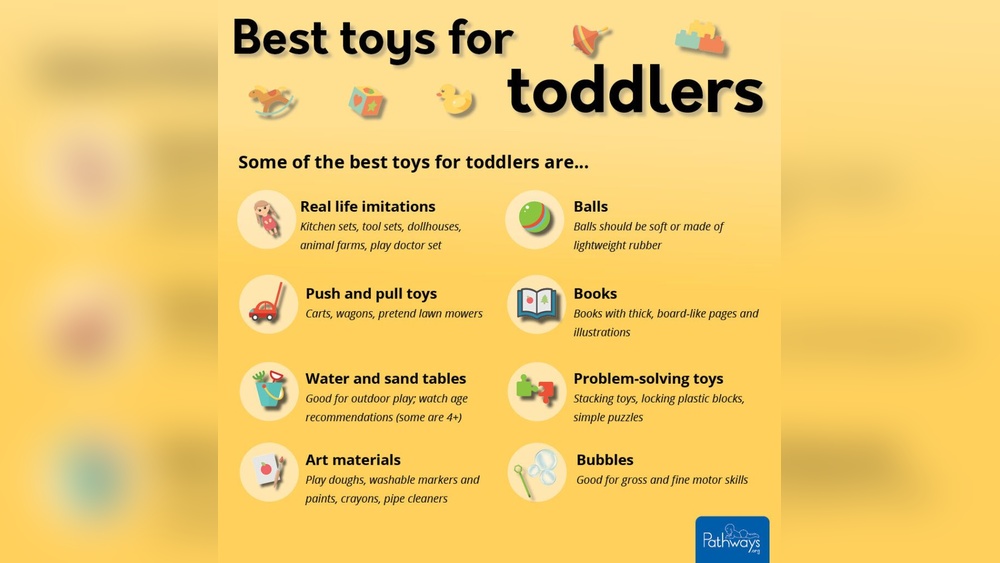
Have you ever wondered how the toys your toddler plays with can actually boost their problem-solving skills? It’s not just about fun and games—these toys are powerful tools that help your little one think, explore, and find solutions on their own.
When you understand how toys support your toddler’s brain development, you’ll see why choosing the right ones can make a big difference in their growth. Keep reading to discover how toys can turn playtime into a smart learning adventure for your child.

Credit: www.youtube.com
Role Of Toys In Early Development
Toys play a big role in how toddlers grow and learn. They are not just for fun. They help children discover new ideas and skills. Toys provide a safe space for toddlers to explore and solve problems. This early development supports their future learning and success.
Through play, toddlers build essential skills step by step. Each toy offers a chance to practice thinking, moving, and feeling. These experiences shape a child’s mind and body. They also teach how to interact with others.
Cognitive Growth Through Play
Toys challenge toddlers to think and understand the world. Puzzles and blocks help them recognize shapes and patterns. Sorting games teach children to group and compare objects. These activities improve memory and attention. Problem-solving skills grow as toddlers figure out how things work.
Motor Skills And Coordination
Playing with toys helps toddlers develop hand-eye coordination. Grasping small objects strengthens finger muscles. Moving toys around builds balance and control. Riding toys improve leg strength and coordination. These skills are vital for daily tasks and future activities.
Emotional And Social Benefits
Toys encourage toddlers to express feelings and ideas. Pretend play helps them understand emotions and roles. Sharing toys teaches patience and cooperation. Playing with others builds social skills and friendships. These emotional lessons support healthy relationships later in life.

Credit: www.amazon.com
Types Of Toys That Encourage Problem Solving
Toys play a big role in helping toddlers learn to solve problems. Different types of toys challenge their minds in unique ways. These toys help kids think, plan, and find solutions on their own. Choosing the right toys can make problem-solving fun and easy for toddlers.
Puzzles And Shape Sorters
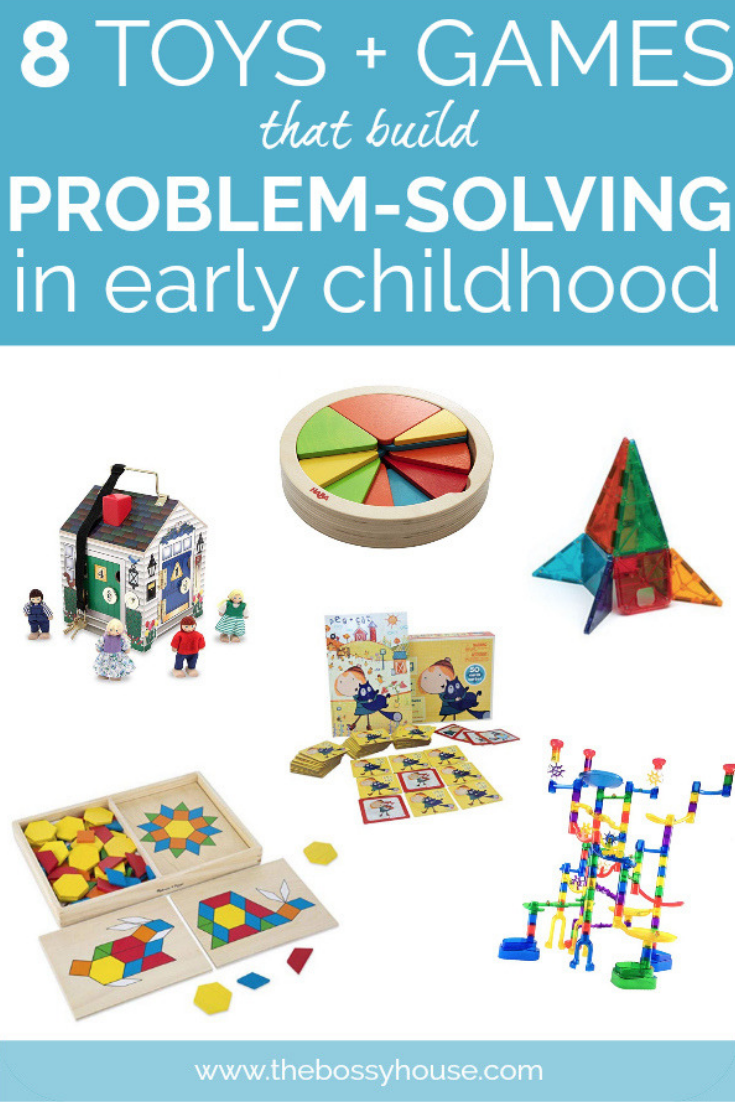
Puzzles and shape sorters teach toddlers to recognize patterns and shapes. They learn how pieces fit together to form a whole. These toys improve hand-eye coordination and logical thinking. Toddlers try different pieces until they find the right fit. This trial and error process builds problem-solving skills.
Building Blocks And Construction Sets
Building blocks and construction sets encourage creativity and planning. Toddlers stack blocks to build towers or shapes. They learn balance and spatial awareness while playing. These toys challenge children to think about structure and design. They solve problems by figuring out how to keep their creations stable.
Interactive And Electronic Toys
Interactive and electronic toys respond to a child’s actions. These toys often have buttons, lights, and sounds. Toddlers learn cause and effect by pressing buttons or moving parts. Many of these toys have simple puzzles or challenges to solve. They help kids practice decision-making and critical thinking skills.
How Toys Stimulate Critical Thinking
Toys play a key role in helping toddlers develop critical thinking skills. They offer a safe space for children to explore ideas and solve simple problems. Through play, toddlers learn to think carefully and make choices. Toys guide them to understand cause and effect and build their thinking power step by step.
Encouraging Exploration And Experimentation
Toys invite toddlers to try new things and test ideas. Puzzles and building blocks help children see what fits and what does not. This trial and error process teaches them to find solutions by exploring different ways. Exploration sparks curiosity and makes learning fun.
Fostering Decision Making
Toddlers face choices when playing with toys. They decide which piece to use or how to stack blocks. These small decisions help them practice thinking ahead and weighing options. Making choices builds confidence and sharpens their problem-solving skills.
Enhancing Memory And Attention
Some toys require children to remember steps or details. Matching games and shape sorters improve memory by asking toddlers to recall patterns. Focused play strengthens attention spans. Better memory and attention support stronger critical thinking over time.
Credit: www.thebossyhouse.com
Boosting Skills Through Guided Play
Guided play helps toddlers learn problem-solving skills step by step. It gives them a chance to explore and think while feeling safe and supported. This kind of play builds confidence and curiosity. Toddlers try new ideas and find solutions with gentle help from adults.
Adults guide without taking over. They ask questions and encourage thinking. This support makes play time both fun and a learning moment. Toddlers develop skills like planning, focusing, and testing ideas. These skills grow stronger with the right balance of help and freedom.
Role Of Parents And Caregivers
Parents and caregivers shape how toddlers solve problems during play. They watch and listen carefully to understand the child’s needs. They offer hints instead of answers. This helps toddlers think for themselves. Encouragement and praise boost the child’s willingness to try again. Adults also show how to handle mistakes calmly. This teaches toddlers that errors are part of learning.
Creating A Supportive Play Environment
A safe and inviting space helps toddlers focus on solving problems. Toys should be easy to reach and age-appropriate. The area needs to be free from distractions. Adults should join the play sometimes to guide and cheer. Quiet corners or soft areas can help children feel relaxed. A supportive environment invites toddlers to explore at their own pace.
Balancing Challenge And Fun
Toys must be neither too easy nor too hard. Challenges spark curiosity and thinking. Fun keeps toddlers interested and motivated. Adults watch for signs of frustration or boredom. They adjust the task or offer clues to keep play positive. This balance helps toddlers enjoy learning and build confidence in solving problems.
Measuring Progress In Problem Solving
Measuring progress in problem solving helps parents and caregivers understand how toddlers develop. It shows how toys influence their thinking skills over time. Watching growth in small steps encourages continued learning and play.
Observing Behavioral Changes
Watch toddlers as they play with toys. Notice how they try new ways to solve problems. See if they use more focus or patience. Look for moments when they succeed or try again after failing. These changes show growing problem-solving skills.
Tracking Milestones And Achievements
Keep a simple record of key moments. For example, when a child completes a puzzle for the first time. Or when they figure out how to stack blocks higher. These milestones mark progress. They help identify strengths and areas needing more support.
Adjusting Toys To Match Skill Levels
Choose toys that match the child’s current abilities. As skills improve, offer slightly harder challenges. This keeps play interesting and pushes learning forward. Avoid toys that are too easy or too hard. Right-level toys help toddlers build problem-solving step by step.
Frequently Asked Questions
How Do Toys Improve Toddlers’ Problem-solving Skills?
Toys encourage toddlers to think critically and explore solutions. They enhance cognitive abilities by promoting trial and error. Playing with puzzles or building blocks strengthens logical thinking and spatial awareness, essential for problem-solving development.
What Types Of Toys Aid Toddler Problem Solving?
Toys like puzzles, shape sorters, and building blocks best support problem-solving. These toys challenge toddlers to recognize patterns, fit pieces, and create structures. Interactive and open-ended toys stimulate creativity and critical thinking skills effectively.
Why Is Problem Solving Important For Toddlers?
Problem solving helps toddlers develop independence and confidence. It boosts brain development and prepares them for complex tasks. Early practice with challenges enhances decision-making and adaptability, crucial for lifelong learning and success.
How Can Parents Use Toys To Teach Problem Solving?
Parents can guide toddlers by asking questions during play. Encouraging exploration and patience helps toddlers find solutions independently. Offering diverse toys and praising efforts motivates toddlers to engage in problem-solving activities more.
Conclusion
Toys play a key role in helping toddlers solve problems. They encourage thinking and creativity. Toddlers learn by trying different ways to use toys. This builds their confidence and patience. Playing also improves focus and hand-eye coordination. Simple toys like blocks or puzzles work best.
Watching toddlers play shows how they explore and learn. Giving them time with toys supports their growth. Problem-solving skills start early and grow with practice. Toys make learning fun and natural for young minds.
