
Have you ever stopped to think about what’s inside your child’s favorite toy? Those small batteries might seem harmless, but they can actually pose serious dangers.
If you’re like most parents, keeping your kids safe is your top priority. Understanding how these tiny power sources can cause harm is the first step to protecting your family. Keep reading, and you’ll discover important facts that could save your child from unexpected risks.
Don’t let something as simple as a toy battery catch you off guard.
Battery Types In Toys
Batteries power many toys, from small cars to electronic games. They come in different types, each with unique features and risks. Understanding battery types helps keep children safe. Some batteries last long but may leak. Others recharge but need special care.
Common Battery Varieties
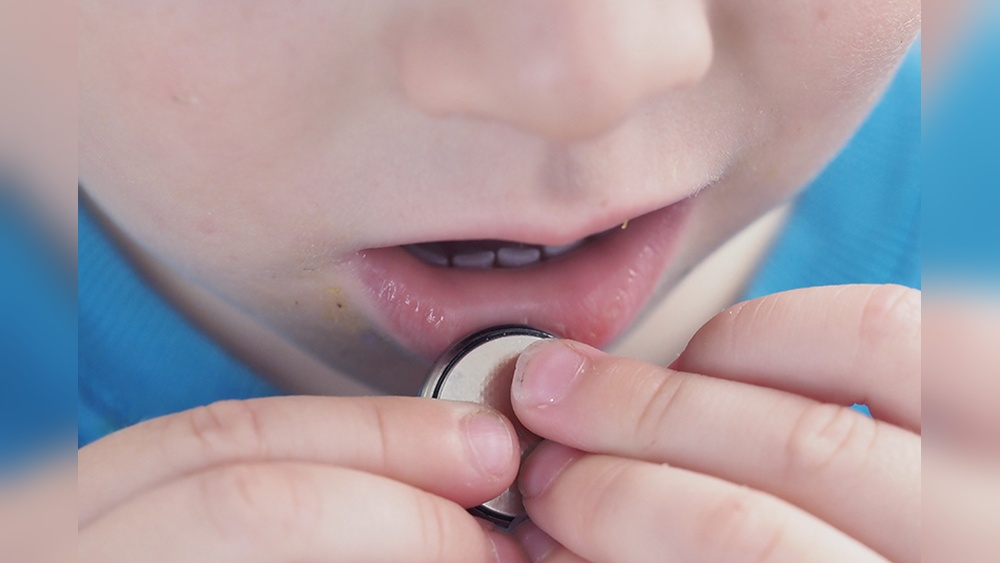
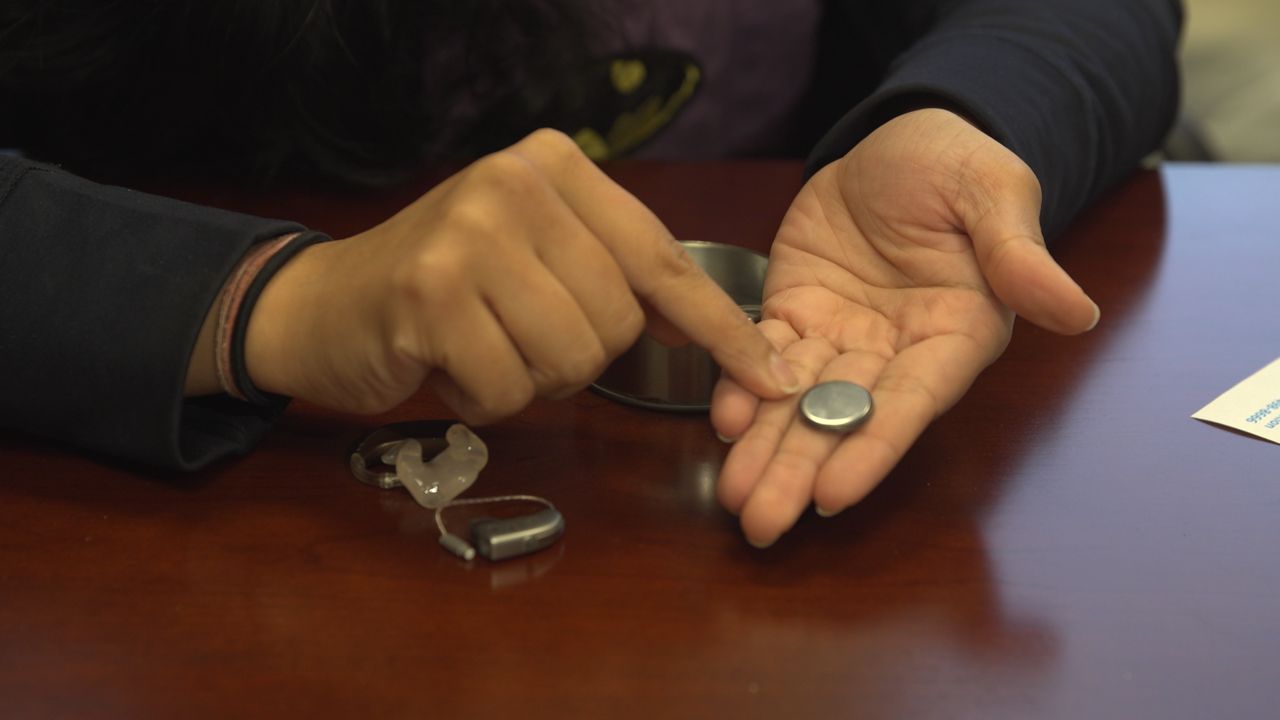
Alkaline batteries are the most common in toys. They are cheap and easy to find. These batteries can leak harmful chemicals if old or damaged. Button cell batteries are small and used in tiny toys. These pose a choking hazard and can cause burns if swallowed.
Nickel-metal hydride (NiMH) batteries are popular for rechargeable toys. Lithium-ion batteries provide high power but need careful handling. Each type has safety rules to follow.
Rechargeable Vs. Disposable Batteries
Disposable batteries are used once and thrown away. They are easy to replace but can leak after use. Rechargeable batteries can be used many times. They reduce waste but need a charger and safe charging habits.
Rechargeable batteries often cost more upfront but save money over time. Both types can be dangerous if damaged or used incorrectly. Always use the right battery type for the toy.
Potential Hazards Of Toy Batteries
Toy batteries power many fun devices. Yet, they can pose serious risks to children. Understanding these risks helps keep kids safe while playing. Battery hazards can cause injuries or health problems. Knowing what to watch for is important for parents and caregivers.
Chemical Leakage Risks
Batteries contain chemicals that can leak out if damaged. These chemicals can burn skin or eyes. Children may touch or swallow the leaked liquid. This can cause pain, irritation, or worse. Always check toys for damaged or swollen batteries.
Fire And Explosion Dangers
Batteries can short circuit and overheat. This can lead to fires or explosions. Heat from a battery fire can cause burns. Toys left charging too long or with poor batteries are risky. Use only the recommended batteries and follow instructions carefully.
Choking And Swallowing Hazards
Small batteries, like button cells, can be swallowed easily. This causes choking or internal injury. Swallowed batteries can burn the throat or stomach. Keep batteries and toys with small parts out of reach. Always supervise young children during playtime.
Signs Of Battery Damage
Batteries in toys can show clear signs when they start to fail or become dangerous. Recognizing these signs early helps prevent accidents. Watch the toy and battery closely for any unusual changes. Knowing what to look for keeps children safe and toys working well.
Corrosion And Swelling
Corrosion looks like white or green powder around the battery. It happens when battery acid leaks out. Swelling means the battery looks puffy or bloated. Both signs show the battery is damaged. Do not use toys with corroded or swollen batteries.
Overheating And Odor
A hot battery is a warning sign. The toy or battery may feel warm or hot to touch. A strange, chemical smell can come from the battery. This smell is often sour or like rotten eggs. Stop using the toy immediately if you notice heat or odor.
Unusual Toy Behavior
Toys with bad batteries may act strangely. They might turn off suddenly or not start at all. Some toys blink lights or make odd noises without reason. These behaviors suggest battery problems. Check the batteries before playing further.

Credit: www.poison.org
Safe Battery Handling Tips
Batteries power many toys but can pose risks if handled wrongly. Safe handling reduces dangers like leaks, burns, or fires. Learning the right steps keeps children and homes safe.
Proper Installation And Replacement
Always check the battery type before use. Use the correct size and brand for the toy. Insert batteries following the plus and minus signs. Never mix old and new batteries together. Replace all batteries at the same time. Tighten the battery cover to prevent spills. Clean battery contacts with a dry cloth before installing.
Storage Guidelines
Store batteries in a cool, dry place away from sunlight. Keep batteries out of reach of children and pets. Avoid storing batteries loose in a drawer or box. Use original packaging or a battery case for storage. Do not store batteries near metal objects that cause short circuits. Check stored batteries regularly for leaks or corrosion.
Disposal And Recycling Methods
Do not throw batteries in household trash. Use designated battery recycling or disposal centers. Many stores and community centers accept used batteries. Follow local rules for battery disposal to protect the environment. Cover battery terminals with tape before disposal. Never burn or puncture batteries as they can explode.
Preventive Measures For Parents
Batteries in toys can cause serious harm to children. Parents must take steps to reduce risks. Simple actions can keep kids safe from battery hazards.
Choosing Safer Toys
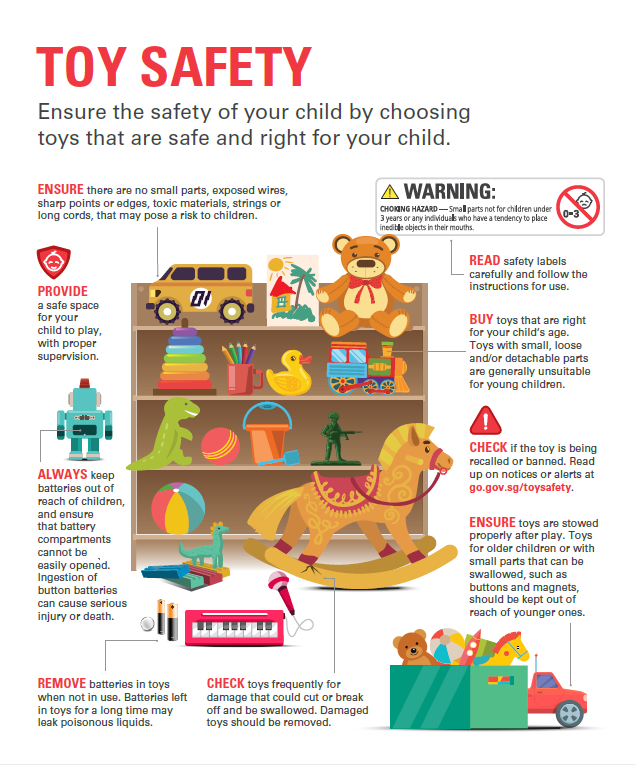
Pick toys with secure battery compartments. Avoid toys with loose covers or small parts. Check if the toy meets safety standards. Choose toys made from non-toxic materials. Safer toys lower the chances of battery accidents.
Regular Inspections
Check toys often for damage or wear. Look for cracked battery covers or missing screws. Replace batteries promptly to avoid leaks. Dispose of old batteries safely and quickly. Regular checks catch problems before they become dangerous.
Educating Children
Teach children not to touch batteries. Explain why batteries can be harmful. Show them how to use toys safely. Encourage kids to tell adults about broken toys. Education helps children stay aware and cautious.
Credit: www.consumerproductsafety.gov.sg
Emergency Steps For Battery Incidents
Batteries in toys can cause serious problems. Knowing emergency steps helps keep children safe. Quick action can prevent harm and ease pain.
Here are important steps to follow if a battery incident happens.
First Aid For Battery Exposure
Remove the battery carefully using gloves or a cloth. Avoid touching any leaked material. Rinse the affected area with clean water for 15 minutes. Do not use creams or oils on the area. Keep the child calm and still.
When To Seek Medical Help
Call a doctor if the child swallowed a battery. Visit the emergency room if the battery is stuck in the throat. Seek help if there is pain, swelling, or burns. Always get medical help for battery leaks on skin or eyes. Quick medical care is crucial for safety.
Reporting Unsafe Products
Report broken or leaking batteries to the store where you bought them. Contact consumer safety groups or government agencies about dangerous toys. Reporting helps stop unsafe products from harming others. Keep the toy and packaging for reference when reporting.
Credit: spectrumlocalnews.com
Frequently Asked Questions
Can Toy Batteries Cause Choking Hazards For Children?
Yes, small batteries in toys can be a choking risk. Children might swallow loose batteries, leading to serious internal injuries or blockages. Always keep spare batteries out of reach and ensure battery compartments are securely closed to prevent accidental ingestion.
How Do Batteries In Toys Pose Fire Risks?
Toy batteries, especially if damaged or incorrectly installed, can overheat and catch fire. Overcharging or using incompatible batteries increases this risk. Always follow manufacturer guidelines and use the recommended battery type to minimize fire hazards.
What Health Issues Arise From Leaking Toy Batteries?
Leaking batteries release harmful chemicals like acid, causing skin burns and respiratory irritation. Prolonged exposure can lead to serious health problems. Regularly check toys for battery leaks and safely dispose of damaged batteries immediately.
Why Should Parents Monitor Battery-powered Toys Closely?
Battery-powered toys can malfunction or break, exposing batteries and increasing risks of ingestion or electric shock. Close supervision ensures quick action if problems occur, protecting children from potential battery-related injuries.
Conclusion
Batteries in toys can cause serious harm if not handled well. Small children might swallow them or get hurt by leaking chemicals. Always check toys for battery safety and use the right type. Teach kids to be careful and never play with batteries.
Safe use helps keep playtime fun and worry-free. Stay alert to protect children from battery risks. Simple steps make a big difference in safety.
