
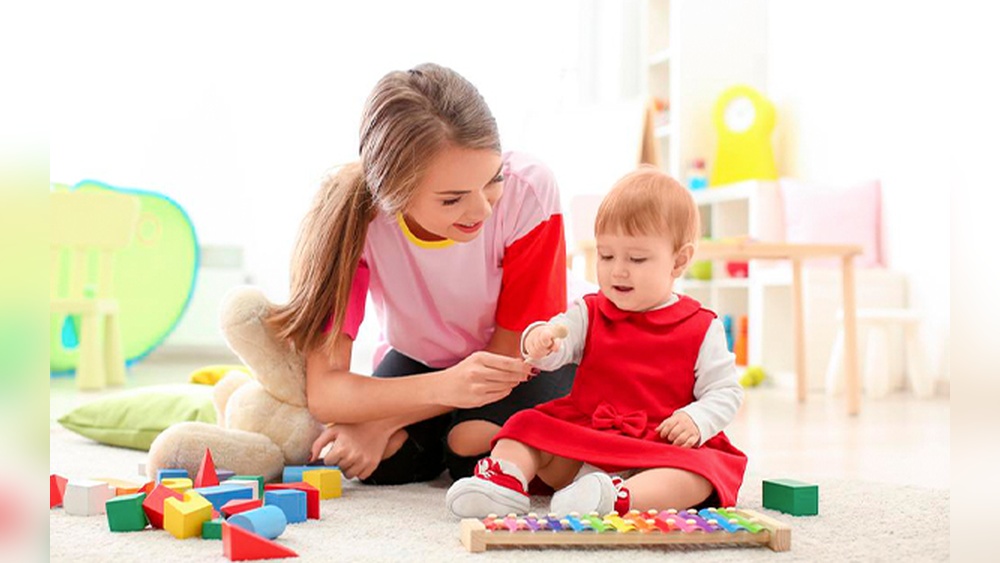
Have you ever wondered if your child still needs toys when screens are everywhere? With tablets and smartphones filling their time, it’s easy to think toys might be outdated.
But what if those simple toys hold the key to your child’s growth, creativity, and happiness? Keep reading to discover why toys could still be one of the best gifts you give your kids—and how they shape your child’s future in ways digital devices simply can’t.

Credit: www.amazon.com
Role Of Toys In Child Development
Toys have a special place in child development. They help children learn about the world. Toys support growth in many areas. Playing with toys is more than fun. It builds skills that last a lifetime.
Even in the digital age, toys still matter. They offer hands-on learning that screens cannot. Physical toys help kids explore, imagine, and create. This active play aids brain and body development.
Cognitive Growth Through Play
Toys stimulate thinking and problem-solving skills. Puzzles and blocks teach cause and effect. Kids learn shapes, colors, and numbers naturally. Play encourages creativity and imagination. It helps children understand how things work. This kind of learning builds strong mental skills early.
Emotional And Social Skills
Playing with toys teaches kids about feelings. Dolls and action figures help express emotions. Sharing toys encourages patience and kindness. Group play improves communication and teamwork. These social skills prepare children for real-life relationships. Toys create a safe space to practice emotions.
Physical Coordination Benefits
Toys help develop fine and gross motor skills. Building blocks improve hand-eye coordination. Balls and ride-on toys build strength and balance. Active play supports healthy body growth. Physical skills learned through toys aid daily tasks. Toys promote movement and physical confidence in children.
Impact Of Digital Devices On Playtime
Digital devices have changed how children play. Playtime now includes screens alongside traditional toys. This shift affects children’s attention and the way they learn through play.
Screen Time And Attention Span
Excessive screen time can shorten children’s attention spans. Fast-moving images demand constant focus shifts. This makes it harder for kids to concentrate on quiet play. Quiet play helps develop patience and deep thinking.
Short bursts of screen use can be fine. But long sessions might reduce a child’s ability to focus on one task.
Digital Vs. Traditional Play
Digital play offers interactive experiences and quick rewards. Traditional toys encourage imagination and hands-on learning. Building blocks, dolls, and puzzles help kids use creativity.
Both types of play have value. Digital play can support skills like problem-solving. Traditional play promotes social skills and physical activity.
Balancing Online And Offline Activities
Balance is key to healthy play habits. Kids need time with screens and time with toys. Parents can set clear limits on screen use.
Outdoor play and family games boost social and physical skills. Mixing digital and traditional play provides a well-rounded experience. This balance supports growth and happiness.
Benefits Of Traditional Toys Today
Traditional toys still hold great value in today’s digital world. They offer benefits that screens cannot match. These toys help children grow in many ways. They support learning, creativity, and social skills.
Playing with physical toys gives kids a chance to explore and use their imagination. They can build stories, solve problems, and learn through touch. These experiences are important for healthy development.
Encouraging Creativity And Imagination
Traditional toys open doors to creative thinking. Kids create their own worlds and stories. Building blocks, dolls, and art supplies allow endless possibilities. Children learn to imagine beyond what they see.
This kind of play boosts brain development. It helps children think in new ways and find unique solutions. Creativity grows stronger with hands-on play.
Hands-on Learning Experiences
Physical toys provide real-life learning. Kids use their hands and eyes together. This helps develop motor skills and coordination. Toys like puzzles and building sets improve focus and patience.
Children learn cause and effect by experimenting. They see results directly from their actions. This type of learning is deep and lasting.
Fostering Social Interaction
Playing with traditional toys often involves others. Kids share, take turns, and communicate. These moments teach important social skills. Children learn cooperation, empathy, and teamwork.
Group play builds friendships and emotional intelligence. It encourages children to express themselves and listen to others. Social skills gained here help in school and life.

Credit: www.amazon.com
Choosing The Right Toys For Modern Kids
Choosing the right toys for modern kids takes careful thought. Toys shape how children learn and play. They help build skills, spark creativity, and offer fun. The challenge lies in balancing traditional playthings with digital options. Parents want toys that fit their child’s age and support growth. Finding this balance keeps playtime both enjoyable and meaningful.
Age-appropriate Options
Toys must match a child’s age and abilities. Younger kids need safe, simple toys. These toys boost motor skills and sensory experiences. Older children enjoy more complex toys that challenge thinking. Age-appropriate toys avoid frustration and keep kids engaged. Labels and recommendations help choose the right toy size and type.
Educational And Developmental Value
Toys that teach while playing offer extra benefits. They improve problem-solving, language, and social skills. Building blocks, puzzles, and books are great choices. Toys encouraging creativity, like art sets, inspire imagination. Play becomes a learning tool when toys develop key skills.
Incorporating Technology Wisely
Technology can enrich play but needs limits. Interactive tablets and learning apps offer educational content. Screen time should be balanced with hands-on play. Choose tech toys that promote active learning, not just entertainment. Set clear rules to keep technology use healthy and positive.
Parental Role In Toy Selection
Parents play a key role in choosing toys for their children. Their choices shape how kids learn, grow, and enjoy playtime. Selecting the right toys means balancing fun with learning and safety. Parents guide kids to use toys in ways that help their development. This role becomes more important in the digital age, where toys are often electronic or screen-based.
Setting Healthy Playtime Limits
Parents must set clear rules about playtime. Too much screen time can harm a child’s health and focus. Limits help kids enjoy toys without overusing digital devices. Parents can create a daily schedule that includes time for both digital and physical play. This balance keeps playtime healthy and varied.
Monitoring Digital Content
Not all digital toys are safe or good for kids. Parents should check the content before letting children play. Look for age-appropriate games and apps that teach skills. Avoid violent or confusing content. Monitoring helps protect kids from harmful material and promotes positive learning experiences.
Encouraging Diverse Play Styles
Kids benefit from different types of play. Parents should offer toys that encourage creativity, problem-solving, and movement. Mixing digital toys with traditional ones like blocks or puzzles helps develop many skills. Diverse play styles keep children interested and engaged. They learn to use their imagination and body together.

Credit: primotoys.com
Frequently Asked Questions
Do Kids Still Benefit From Traditional Toys Today?
Yes, traditional toys help develop creativity, motor skills, and social interaction. They offer hands-on learning that screens can’t fully replace.
How Do Toys Complement Digital Learning Tools?
Toys provide tactile experiences and encourage imaginative play. They balance screen time by promoting physical activity and problem-solving skills.
Can Toys Improve A Child’s Social Skills In A Digital Age?
Absolutely, playing with toys encourages sharing, cooperation, and communication. These skills are vital for healthy social development beyond digital interactions.
What Types Of Toys Are Best For Modern Kids?
Educational, open-ended, and interactive toys are ideal. They stimulate creativity, critical thinking, and adapt well alongside digital devices.
Conclusion
Toys still play a big role in children’s growth today. They help kids learn, imagine, and have fun away from screens. Digital devices offer many benefits, but toys bring hands-on experiences and social skills. Balancing both can support a child’s development better.
Parents can choose toys that match their child’s interests and needs. In the end, toys and technology together create a richer childhood. Kids deserve a mix of play to grow happy and smart.
