
Have you ever wondered if toys still matter once your child starts school? You might think toys are just for little kids, but the truth could surprise you.
Toys can do more than just entertain—they can help your child learn, grow, and even build important skills. If you want to discover how toys can support your child’s development at school age, keep reading. This could change the way you think about playtime forever.

Credit: abccdc.com
Role Of Toys In Child Development
Toys play a key role in a child’s development at school age. They do more than entertain. Toys help children learn and grow in many ways.
Children use toys to explore ideas and practice skills. This hands-on experience supports brain growth and learning. Toys also encourage children to work with others and express their feelings.
Cognitive Growth And Problem Solving
Toys challenge children to think and solve problems. Building blocks, puzzles, and strategy games boost memory and attention. These activities help children understand cause and effect. They also develop critical thinking skills. Such mental exercises prepare kids for school tasks and daily challenges.
Social Skills And Cooperation
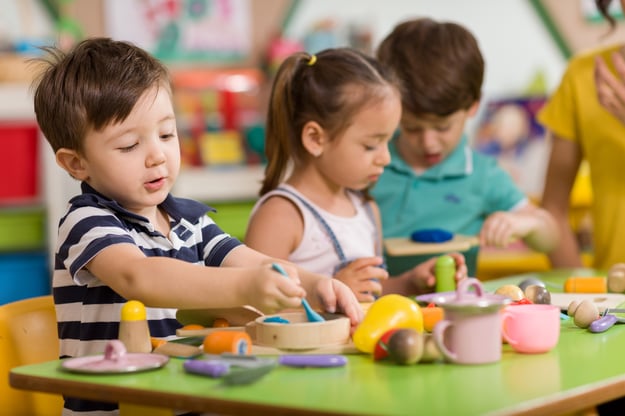
Toys often invite group play. Children learn to share and take turns. Playing with others builds communication skills. Kids practice listening and explaining their ideas. Cooperation through play teaches respect and teamwork. These social lessons are important for making friends and working in groups.
Emotional Expression And Regulation
Toys give children a way to show feelings. Role-play toys like dolls or action figures help express emotions. Kids learn to handle anger, fear, and joy in safe ways. This practice improves emotional control and empathy. Toys support healthy emotional growth and self-awareness.
Types Of Toys That Engage School-age Kids
School-age children enjoy toys that match their growing skills and interests. Toys help them learn new things, explore ideas, and stay active. Choosing the right types of toys can keep kids excited and focused. Toys that challenge the mind and body support healthy development.
Different toys serve different purposes. Some build knowledge. Others spark creativity. Many encourage movement and outdoor play. Understanding these types helps parents and teachers find the best toys for kids.
Educational Toys And Learning Tools
Educational toys teach new skills and facts. Puzzles improve problem-solving and memory. Science kits introduce simple experiments. Math games make numbers fun and clear. These toys help kids think and understand better. They support school lessons and spark curiosity.
Creative And Imaginative Play
Creative toys inspire imagination and art. Drawing sets and craft kits let kids create. Dolls and action figures encourage role play. Building blocks help design new worlds. These toys boost creativity and expression. They develop storytelling and social skills.
Physical And Outdoor Toys
Physical toys keep kids active and healthy. Balls, jump ropes, and bikes build strength and coordination. Outdoor toys promote play in fresh air. They teach teamwork and sportsmanship. Active play improves focus and mood. These toys are great for energy release and fun.
Impact Of Technology On Toy Usage
Technology has changed how children play and use toys at school age. Toys today often include digital elements like screens, sounds, and interactive features. This change affects how kids learn, imagine, and spend their free time. Understanding this impact helps parents and teachers support healthy play habits.
Digital Vs Traditional Toys
Digital toys use screens, apps, or electronic parts to engage children. They offer sounds, lights, and interactive learning games. Traditional toys include blocks, dolls, puzzles, and outdoor play items. These toys encourage hands-on activities and creativity without screens.
Both types have benefits. Digital toys can teach skills like problem-solving and tech use. Traditional toys help develop fine motor skills and imagination. Kids need a mix of both to grow well.
Balancing Screen Time And Playtime
Too much screen time can lead to less physical activity and social interaction. Kids need breaks from screens to stay healthy and focused. Playtime with traditional toys helps build social skills and creativity.
Parents and teachers should guide children to balance digital and traditional play. Setting limits on screen use and encouraging outdoor activities helps. This balance supports healthy development and keeps play fun and safe.
Toys And Academic Performance
Toys play a key role in school-age children’s academic growth. They make learning fun and help children stay interested in their lessons. Toys also give kids ways to practice skills that are important for school success. Using toys in school supports many parts of learning.
Children learn better when they can touch and explore. Toys help them do this while building important skills. These skills include focus, problem solving, and understanding science and math. Toys also make hard subjects easier to understand.
Enhancing Focus And Concentration
Toys help children improve their attention span. Playing with puzzles or building blocks needs focus. Kids learn to concentrate on one task for longer times. This skill helps them listen better in class. It also improves their ability to finish homework and projects.
Simple toys like shape sorters and matching games train the brain. These toys ask kids to find patterns and make decisions. Such activities boost mental focus. Over time, children get better at ignoring distractions. This change shows in their school work and behavior.
Supporting Stem Skills
Toys encourage learning in science, technology, engineering, and math (STEM). Kits for building robots or simple machines teach kids how things work. They learn cause and effect through hands-on play. These toys build curiosity and critical thinking.
Math skills grow with toys that involve counting or measuring. Children learn shapes, sizes, and how parts fit together. STEM toys also develop problem-solving skills. Kids learn to plan, test ideas, and try again. These skills are useful for science and math classes.
Parental And Teacher Roles In Toy Selection
Parents and teachers play a big role in picking toys for school-age children. Their choices affect how kids learn and play. Choosing the right toys helps children grow social, emotional, and cognitive skills. Adults guide children to use toys that fit their needs and interests.
The right toy can boost creativity and teamwork. Adults must think about safety, fun, and education. Helping children explore toys wisely shapes their learning experiences.
Choosing Age-appropriate Toys
Toys must match a child’s age and skill level. Toys that are too hard can cause frustration. Toys that are too simple may bore them quickly. Age-appropriate toys challenge children without overwhelming them. This balance helps kids stay interested and learn new skills.
Parents and teachers check labels and recommendations. They observe what the child enjoys and can handle. Safe toys prevent accidents and promote confident play.
Encouraging Group Play And Sharing
Toys that support group play teach sharing and cooperation. Children learn to take turns and solve problems together. Adults encourage kids to play with friends using these toys. Group play builds communication and friendship skills.
Teachers and parents can join in to guide positive interactions. They praise sharing and teamwork during playtime. These moments help children grow socially and emotionally.

Credit: bumblebeesmart.com
Surprising Benefits Of Toys For Older Kids
Toys are often seen as tools for young children. Yet, older kids also gain many benefits from toys. Toys help in ways beyond simple fun. They support mental health and creativity in school-aged children. The surprising benefits can change how we see play for older kids.
Kids use toys to relax and express feelings. Toys also encourage new ideas and problem-solving skills. These benefits help children grow in many important ways.
Stress Relief And Mental Health
School can be stressful for many kids. Toys offer a way to relax and feel calm. Playing with toys helps kids focus on the moment. This reduces anxiety and worries. Toys give a safe way to express emotions. They help children manage stress better. Simple toys can bring comfort and joy after a hard day.
Fostering Creativity Beyond Play
Toys inspire older kids to think in new ways. Building sets and art supplies spark imagination. Kids create stories, designs, and solutions using toys. This creative play improves problem-solving skills. It also helps children express their unique ideas. Toys encourage thinking outside the box. They make learning fun and exciting for school-aged kids.
Credit: blog.acceleratelearning.com
Frequently Asked Questions
Do School-age Kids Still Learn From Toys?
Yes, toys help develop creativity, problem-solving, and social skills in school-age kids. They support hands-on learning and encourage teamwork.
How Do Toys Benefit Kids’ Cognitive Development?
Toys stimulate critical thinking and improve memory. They promote imagination and help children understand complex concepts through play.
Can Toys Improve Social Skills In School Children?
Absolutely, toys encourage sharing, cooperation, and communication. Group play with toys fosters friendships and emotional intelligence among kids.
What Types Of Toys Are Best For School-age Children?
Educational and interactive toys are ideal. Puzzles, building blocks, and board games enhance learning and keep kids engaged.
Conclusion
Toys still play a key role in school-age children’s growth. They help kids learn skills like problem-solving and sharing. Playing with toys also sparks creativity and imagination. Kids enjoy learning when they have fun with toys. Schools that include toys create a better learning space.
Toys support both mind and social skills. So, toys remain important beyond early childhood. Let children explore and grow through play every day.
