
Have you ever noticed how some toys seem to keep your child’s attention much longer than others? Imagine if the toys your kids play with not only entertained them but also sparked their creativity and kept them engaged for hours.
You might wonder, do kids really play longer with imaginative toys? Understanding this can help you choose the best toys that boost your child’s development while giving you a little peace of mind. Let’s dive into why imaginative toys could be the secret to longer, more meaningful playtime for your little ones.
Imaginative Toys Explained
Imaginative toys encourage children to think creatively. These toys allow kids to invent stories and explore ideas. They do not have fixed rules or outcomes. This open-ended play helps children stay engaged longer. Kids use their minds to create, making playtime more meaningful and fun.
These toys can be simple or complex. They often inspire role play or building activities. Imaginative toys grow with the child’s skills and interests. They are different from toys that only show one way to play. This freedom sparks creativity and longer play sessions.
Types Of Imaginative Toys
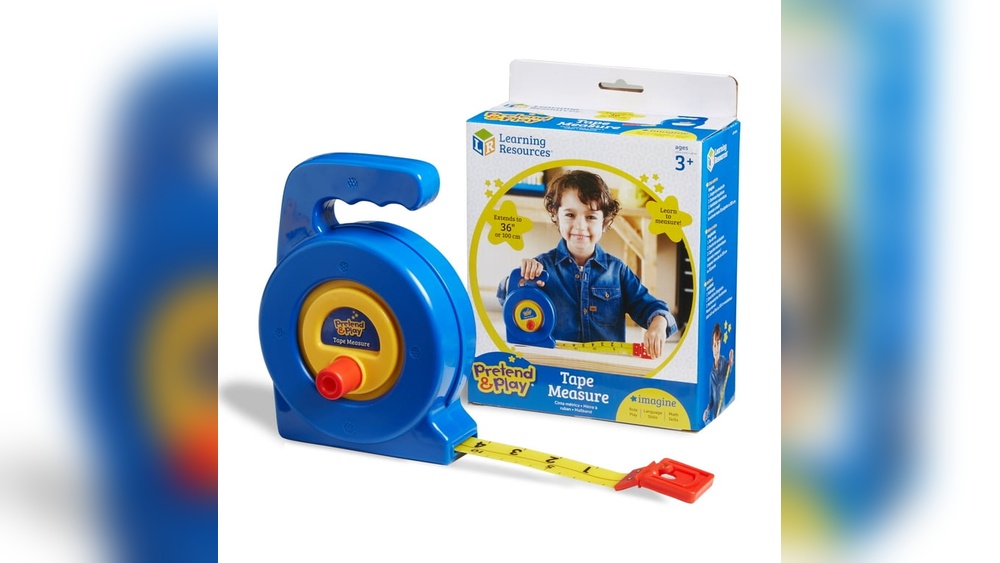
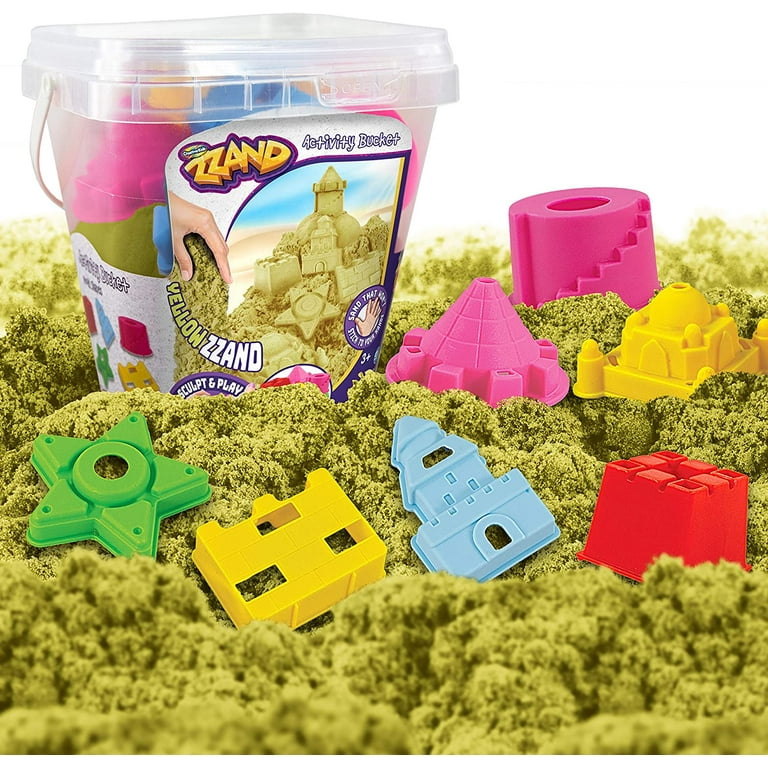
Blocks and building sets let children create structures and worlds. Dolls and action figures help kids act out stories. Dress-up clothes turn children into characters from their imagination. Art supplies like crayons and clay support endless creations. Toy kitchens and tools invite kids to mimic adults’ daily tasks.
Features That Spark Creativity
Open-ended design allows toys to be used in many ways. Simple shapes and colors let children add their own ideas. No strict rules mean kids can change the play anytime. Materials that feel good to touch keep children interested. Toys that fit together or stack encourage problem solving.

Credit: www.amazon.com
Playtime Patterns In Kids
Playtime is a crucial part of a child’s day. It helps them learn and grow. Kids do not all play the same way or for the same length of time.
Understanding how long children play and what affects their playtime helps parents choose the right toys. Imaginative toys often keep kids engaged longer than simple ones.
How Long Do Kids Usually Play?
Most young children play for 15 to 30 minutes at a time. Older kids can play for longer, sometimes up to an hour. The type of play matters. Active play may be shorter. Quiet play often lasts longer.
Imaginative toys encourage children to create stories and roles. This can extend playtime beyond usual limits. Kids lose track of time when deeply involved in pretend play.
Factors Influencing Play Duration
Many things affect how long kids play. Age is a big factor. Younger kids have shorter attention spans. Interest in the toy also matters. A toy that sparks creativity holds attention better.
Environment plays a role too. A calm, safe space helps children focus longer. Social play with friends or family can extend playtime. Energy levels and mood also influence how long kids play.
Impact Of Imaginative Toys On Playtime
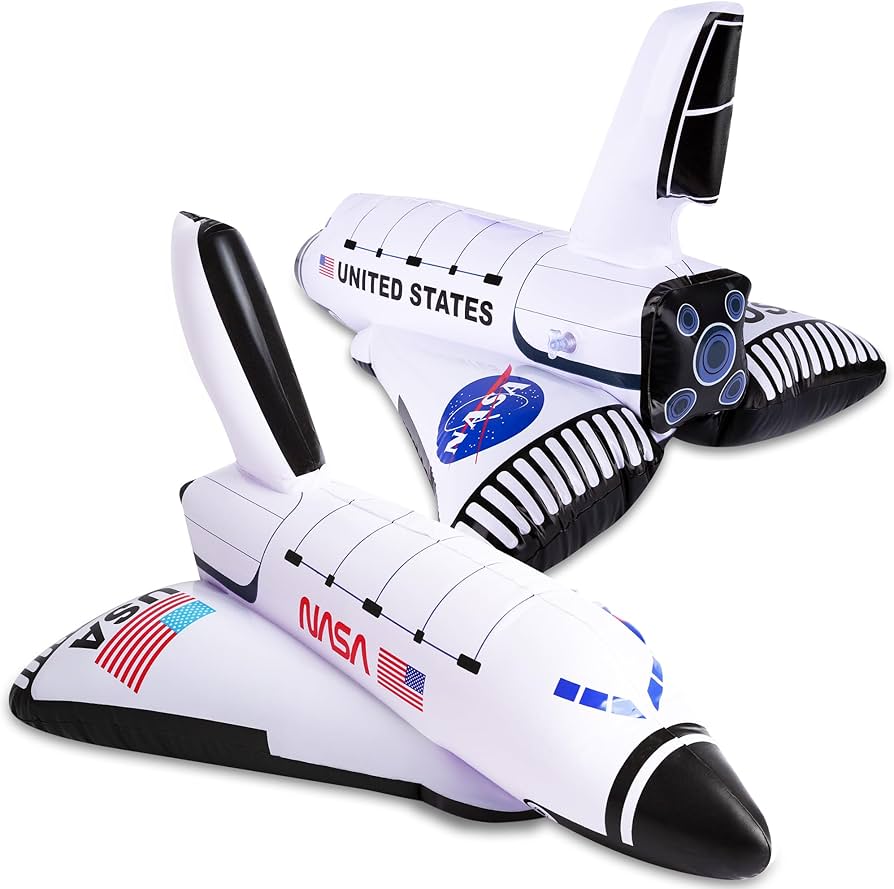
Imaginative toys have a strong effect on how long kids play. These toys invite children to create stories and explore ideas. Kids do not just follow rules but make their own. This freedom leads to longer and more focused play sessions.
Children enjoy the challenge of using their imagination. They build worlds, solve problems, and act out scenarios. Imaginative toys keep their minds busy and their hands active. This type of play helps kids grow in many ways.
Encouraging Extended Engagement
Imaginative toys often hold a child’s interest longer. They offer many ways to play, so kids stay curious. Each playtime can bring a new story or adventure. This variety makes children want to keep playing again and again.
Unlike single-use toys, imaginative toys do not get boring quickly. Kids find new uses and ideas each time. This keeps their attention and makes playtime last.
Role Of Open-ended Play
Open-ended play means there is no set goal or limit. Imaginative toys allow this kind of play easily. Children decide what happens next and create their own fun.
This freedom helps kids think creatively and solve problems. They practice decision-making and social skills. Open-ended play also supports emotional growth and confidence. Imaginative toys make this play possible, encouraging longer and richer playtime.
Credit: www.amazon.com
Comparing Imaginative And Traditional Toys
Comparing imaginative and traditional toys helps us understand how kids play differently. Each type offers unique experiences that shape playtime. Imaginative toys encourage creativity and open-ended play. Traditional toys often focus on specific actions or functions.
Knowing these differences gives insight into which toys keep children interested longer. Play style affects how children engage and enjoy their toys. This section explores these key points to see how play varies with each toy type.
Differences In Play Styles
Imaginative toys invite kids to create stories and roles. A simple doll or block can become anything. This kind of play grows creativity and problem-solving skills.
Traditional toys usually have a fixed purpose. For example, a puzzle or a car has clear rules. Kids use these toys to practice specific skills like matching or moving parts.
Imaginative play is more flexible and changes with the child’s mood. Traditional toys offer structured play that may feel more predictable.
Which Toys Hold Attention Longer?
Imaginative toys often hold kids’ attention longer. They allow children to explore many ideas with one toy. The play can change every time, keeping boredom away.
Traditional toys may lose interest faster. Once the task or game is done, kids might move on. These toys can be fun but sometimes feel limited.
Kids who enjoy making up stories may spend hours with imaginative toys. Those who like clear goals may prefer traditional toys for shorter play sessions.
Benefits Of Longer Play Sessions
Longer play sessions with imaginative toys bring many benefits for children. These toys invite kids to explore ideas and stories. They help kids stay focused and enjoy their time. Extended play helps build skills that last a lifetime.
Playing longer helps kids think deeply and learn more. It also supports their feelings and social skills. Let’s explore how longer play supports growth in important ways.
Cognitive Development
Long play times boost children’s thinking skills. Imaginative toys encourage problem-solving and creativity. Kids learn to plan and imagine different outcomes. These activities help the brain grow strong connections.
Playing longer also improves attention and memory. Kids practice remembering details in their stories. This builds focus and sharpens their mind. Imaginative play helps children learn new words and ideas too.
Social And Emotional Growth
Longer play encourages children to express feelings and ideas. They learn to share and take turns with others. Imaginative toys create chances for teamwork and cooperation.
Playing longer helps kids understand emotions better. They practice empathy by imagining others’ feelings. This kind of play builds confidence and helps children manage stress.
Credit: www.walmart.com
Tips To Maximize Playtime With Imaginative Toys
Maximizing playtime with imaginative toys helps children stay engaged longer. These toys spark creativity and open doors to endless adventures. Setting the right environment and encouraging creative play can boost a child’s interest and focus. Here are some simple tips to help kids enjoy their imaginative toys for more time.
Creating An Inviting Play Space
Choose a quiet area with enough room to move around. Soft rugs and cushions make the space comfortable. Keep toys organized and easy to reach. Use bright colors and fun decorations to make the space appealing. A well-set play area invites children to explore and play without distractions.
Encouraging Storytelling And Role Play
Join your child in making up stories using their toys. Ask questions like “What happens next?” or “Who is this character?” This sparks their imagination and keeps playtime active. Role play helps kids act out different scenarios, building social skills and creativity. Praise their ideas to boost confidence and keep the fun going.
Frequently Asked Questions
Do Imaginative Toys Increase Kids’ Playtime Duration?
Yes, imaginative toys often extend playtime by encouraging creativity and storytelling. They engage children longer than passive toys by sparking active participation and problem-solving.
How Do Imaginative Toys Benefit Children’s Development?
Imaginative toys enhance cognitive skills, creativity, and social interaction. They promote critical thinking, language use, and emotional expression, supporting overall child development effectively.
Are Kids More Engaged With Imaginative Toys Than Electronic Ones?
Typically, yes. Imaginative toys require active involvement, fostering deeper engagement. Electronic toys may entertain, but they often limit creative thinking and prolonged play.
What Types Of Imaginative Toys Encourage Longer Play Sessions?
Building blocks, role-play sets, and art supplies promote extended play. These toys allow open-ended use, letting children explore various scenarios and ideas freely.
Conclusion
Imaginative toys keep kids interested for longer playtimes. They help children think creatively and solve problems. Kids enjoy making stories and adventures with these toys. Playing this way also builds their social and language skills. Parents can support learning by choosing toys that spark imagination.
Simple toys often lead to the most fun and learning. Giving kids time for pretend play benefits their growth. Imaginative play creates happy and engaged children every day.
