
Have you ever wondered if your child truly needs toys to grow and learn? You might think toys are just for fun, but they play a bigger role than you realize.
The right toys can spark creativity, build important skills, and even boost your child’s confidence. But how do you know which toys really matter? Keep reading, and you’ll discover why toys might be more important to your child’s development than you thought—and how to choose the best ones for your family.
Role Of Toys In Child Development
Toys play a key role in a child’s growth. They help children learn new skills and understand the world. Toys make learning fun and keep kids curious. They also support different areas of development. Each toy offers unique ways to build skills. Exploring toys helps children try new ideas and solve problems.
Cognitive Growth
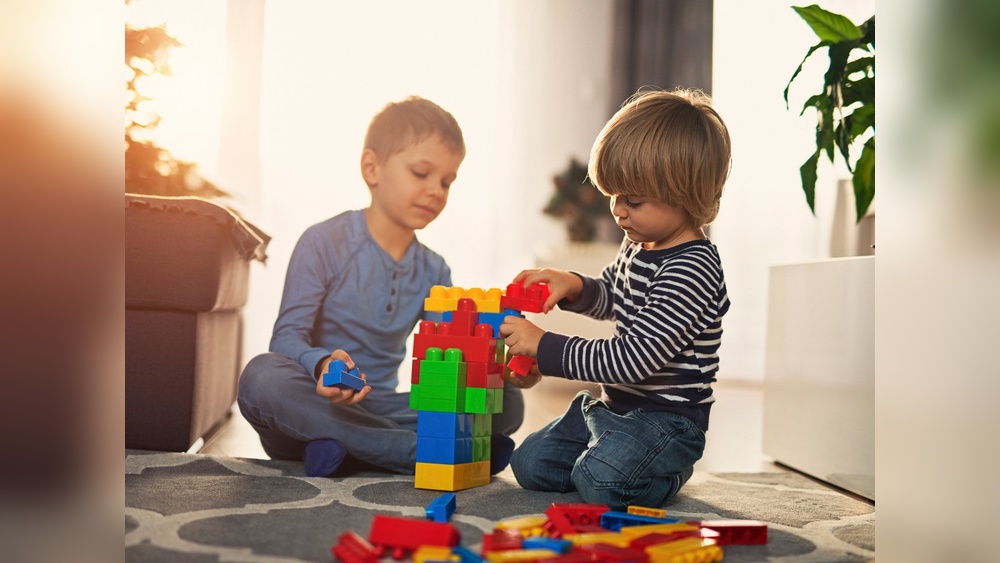
Toys boost thinking and learning skills. Puzzles teach children how to solve problems. Building blocks help with counting and shapes. Toys encourage kids to plan and think ahead. They improve memory and focus. Playing with toys also sparks creativity and imagination.
Emotional Expression
Toys help children share their feelings. Dolls and action figures allow role play. This helps kids understand emotions and reactions. Playing with toys can reduce stress and fear. It gives children a safe way to express sadness or joy. Toys support emotional growth and social skills.
Physical Coordination
Many toys improve motor skills and movement. Balls and ride-on toys build balance and strength. Using small toys helps hand-eye coordination. Fine motor skills develop through stacking and sorting games. Active play with toys encourages healthy physical growth. Coordination skills improve with regular practice.
Credit: theconversation.com
Types Of Toys And Their Benefits
Toys play an important role in a child’s growth. Different types of toys help develop various skills. Choosing the right toys supports learning and fun. Kids enjoy playing while they learn new things.
This section explains types of toys and their benefits. It shows how toys help children grow mentally, creatively, and physically.
Educational Toys
Educational toys teach kids numbers, letters, and shapes. These toys improve memory and problem-solving skills. Puzzles and building blocks make learning fun and easy. They encourage thinking and help children understand the world.
Creative Toys
Creative toys let children express their ideas and feelings. Art supplies, dolls, and craft kits boost imagination. Playing with these toys improves fine motor skills. Children learn to create and think outside the box.
Outdoor Toys
Outdoor toys invite kids to play in open spaces. Balls, bikes, and jump ropes develop strength and coordination. These toys help children stay active and healthy. Outdoor play also improves social skills and teamwork.
Social Skills Through Play
Play is a vital way children learn how to interact with others. Through play, kids practice important social skills needed for daily life. Toys often act as tools that encourage these interactions. They create chances for children to work together and communicate.
Sharing And Cooperation
Toys help children learn sharing. Taking turns with a toy teaches patience. Kids learn to wait and understand others’ feelings. Playing with friends or siblings fosters cooperation. They discover how to solve problems as a team. This teamwork builds trust and respect among children.
Communication Enhancement
Play encourages children to express themselves. Talking about their ideas while playing improves language skills. Kids ask questions, describe actions, and tell stories. These conversations boost vocabulary and listening skills. Through play, children learn how to explain and understand others better.

Credit: charlottemasonmotherhood.com
Choosing Age-appropriate Toys
Choosing toys that fit a child’s age is very important. Toys that match a child’s abilities help them learn and grow. The right toys keep children interested and safe. They also support the child’s mental and physical development.
Parents and caregivers should think about the child’s age and skills. This helps find toys that are fun and suitable. Age-appropriate toys encourage creativity and problem-solving. They also help kids build confidence.
Safety Considerations
Safety is the top priority when picking toys. Small parts can cause choking hazards for young children. Check labels for age recommendations. Avoid toys with sharp edges or toxic materials. Toys should be strong and not break easily. Always supervise children during playtime to prevent accidents.
Matching Developmental Stages
Toys should match the child’s current stage of growth. Babies benefit from soft toys and rattles. Toddlers enjoy toys that help with motor skills. Preschoolers like puzzles and building blocks. School-age children prefer more complex games and kits. Toys that fit development help children learn new skills naturally.
Balancing Screen Time And Traditional Play
Balancing screen time and traditional play is important for a child’s growth. Kids need both digital and physical activities to develop well. Too much screen time can affect their focus and sleep. Traditional play helps build skills that screens cannot offer. Finding the right mix supports learning and fun.
Advantages Of Physical Toys
Physical toys encourage creativity and hands-on learning. Kids use their hands and minds together. Toys like blocks, puzzles, and dolls improve motor skills. They help children understand shapes, colors, and sizes. Playing with others teaches sharing and teamwork. Physical play also boosts imagination and problem-solving skills.
Managing Digital Play
Digital play offers new ways to learn and explore. Educational apps can teach letters, numbers, and sounds. Setting time limits helps keep screen use healthy. Choose apps that match your child’s age and interests. Encourage breaks to avoid eye strain and rest. Balance digital play with outdoor activities for better health.
Encouraging Imagination And Creativity
Encouraging imagination and creativity is important for a child’s growth. Toys play a big role in this process. They help children think in new ways and solve problems. Through play, kids explore ideas and express feelings. This boosts their brain power and confidence.
Open-ended Play
Open-ended play means toys that do not have a fixed use. Blocks, clay, and simple dolls allow children to create anything. This type of play encourages kids to use their imagination. They build stories and designs that are unique to them. It helps develop thinking skills and creativity without limits.
Role-playing Games
Role-playing games let kids act out different characters. They pretend to be doctors, teachers, or superheroes. These games teach children how to understand others’ feelings. They practice language and social skills while having fun. Role-playing also helps kids solve problems and make decisions on their own.

Credit: letoyvan.com
Frequently Asked Questions
Do Kids Really Need Toys For Development?
Yes, toys support cognitive, motor, and social skills in children. They encourage creativity and problem-solving, essential for growth.
How Do Toys Benefit Children’s Learning?
Toys provide hands-on experiences that enhance understanding and retention. They make learning fun and improve focus and imagination.
Can Too Many Toys Harm Kids’ Development?
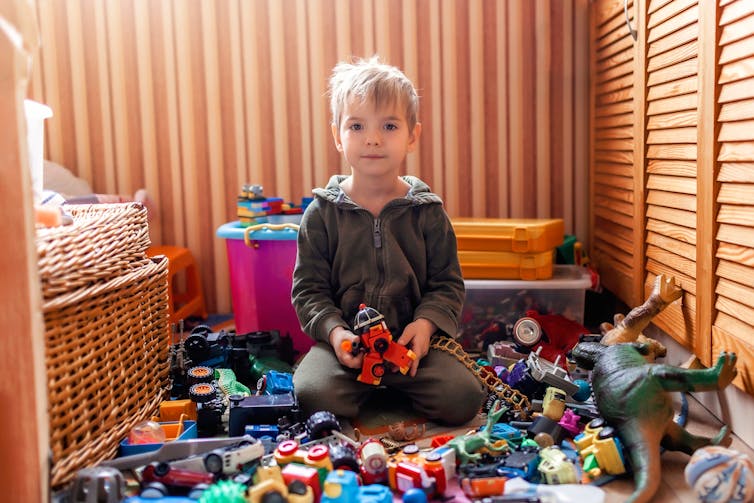
Yes, excessive toys can overwhelm children and reduce attention spans. Fewer toys encourage deeper engagement and creativity.
What Types Of Toys Are Best For Kids?
Educational, age-appropriate, and safe toys are best. They foster learning, exploration, and healthy development through play.
Conclusion
Toys help children learn and grow every day. They build skills like creativity and problem-solving. Playing with toys also brings joy and friendship. Kids explore the world safely through play. Parents should choose toys that fit each child’s needs. Giving kids toys supports their healthy development.
It’s clear toys play an important role in childhood.
