
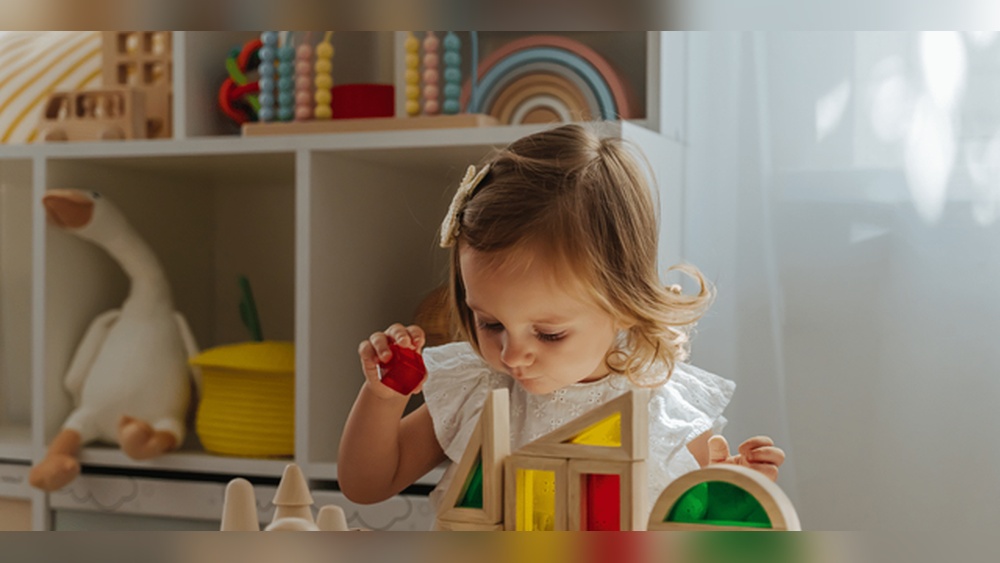
Have you ever noticed how your child can spend hours focused with just a few simple toys? It might surprise you, but giving kids fewer toys could actually help them play better and learn more.
When children aren’t overwhelmed by too many options, their creativity and problem-solving skills can truly shine. If you want to see your child enjoy deeper, more meaningful playtime, keep reading to discover why less can be so much more when it comes to toys.
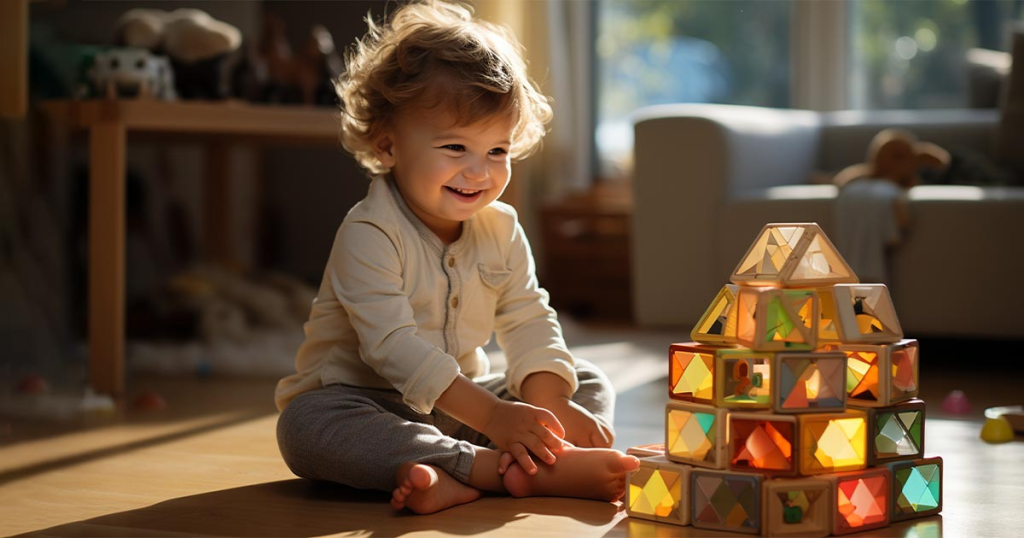
Credit: wildbloomfamilies.com
The Impact Of Toy Quantity On Play
The number of toys children have can change how they play. Too many toys can confuse kids. It may stop them from using their imagination. Less can sometimes be more during playtime. The right amount of toys helps children focus and enjoy better play.
Understanding how toy quantity affects play helps parents choose wisely. It guides them to create a better play environment. This section explores the impact of having many toys versus having just a few.
How Toy Overload Affects Creativity
Toys overload can distract children. They might jump from one toy to another. This stops deep thinking and creativity. Too many choices can cause frustration and boredom. Kids need time to explore ideas with toys. Fewer toys encourage children to imagine more. They build stories and games without limits.
The Role Of Simplicity In Playtime
Simple toys often lead to richer play experiences. Plain toys let kids create their own rules. They learn to solve problems on their own. Simple toys support focus and patience. Children feel calm with fewer distractions. This helps them enjoy play longer. Simplicity in toys fosters better learning and fun.

Credit: www.washingtonpost.com
Benefits Of Fewer Toys
Having fewer toys can help children play better. A smaller toy collection often leads to richer playtime. Kids focus more on each toy and use their creativity. Toys become tools for learning and fun rather than clutter.
This approach supports many areas of a child’s growth. It helps their mind stay sharp and their social skills grow. Let’s explore the benefits of fewer toys in play.
Encouraging Imagination And Problem Solving
With fewer toys, children use their imagination more. They create stories and new ways to play. This kind of play builds problem-solving skills. Kids think about how to use toys in many ways. It helps them become better thinkers and creators.
Improving Focus And Attention Span
Too many toys can distract kids. Fewer toys mean kids focus longer on one activity. This improves their attention span over time. They learn to concentrate and finish tasks. Better focus helps in school and daily life.
Building Social Skills Through Shared Play
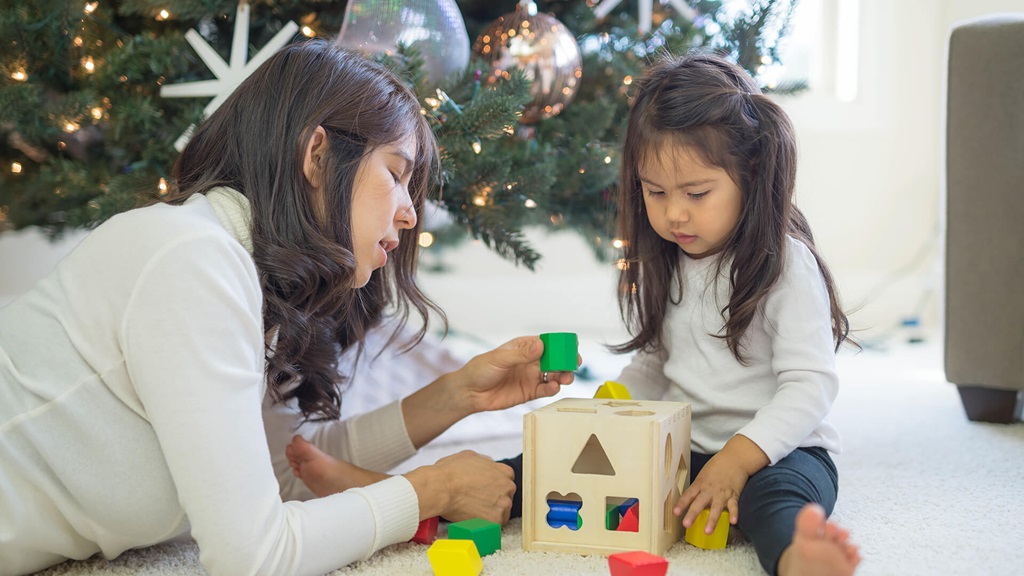
Limited toys encourage kids to share and take turns. Playing together with fewer toys builds social skills. Kids learn to communicate and solve conflicts. They practice teamwork and empathy during shared play. These skills are important for friendships and group settings.
Quality Vs. Quantity In Toys
Choosing between many toys or few quality ones can change how children play. Toys are not just for fun. They help children learn and grow. Too many toys can make playtime confusing. Few well-chosen toys can make playtime richer and more focused.
Choosing Toys That Inspire Learning
Good toys spark a child’s curiosity and creativity. Toys that teach shapes, colors, or numbers help early learning. Simple puzzles or building blocks boost problem-solving skills. Toys that encourage role play build social skills. Quality toys last longer and hold a child’s interest.
Avoiding Distractions And Overstimulation
Too many toys can distract children. They might not focus on any one toy. Bright colors and loud sounds can overwhelm young minds. Less clutter allows children to use their imagination more. Calm play spaces help children relax and enjoy playtime. Choosing fewer toys can create a peaceful play environment.
Credit: atriumhealth.org
Practical Tips For Parents
Parents often wonder how to help their kids play better with fewer toys. Simple changes at home can make a big difference. These practical tips help keep children engaged and happy while using fewer toys. The focus is on quality play and less clutter.
Rotating Toys To Maintain Interest
Keep only a few toys out at a time. Store the rest away in a box or closet. Every few weeks, swap some toys with the stored ones. This keeps playtime fresh and exciting. Children feel like they get new toys often without buying more.
Creating A Minimalist Play Space
Clear space helps kids focus better. Remove extra toys and distractions from the play area. Use simple shelves or bins to organize the toys. A tidy space encourages creativity and calmness. Kids can find toys easily and enjoy their play more.
Involving Kids In Toy Selection
Let children choose which toys to keep or share. This teaches decision-making and responsibility. Ask them what toys they like most and why. Involving kids helps them value their playthings. It also reduces the number of unused toys around the house.
Scientific Findings On Toy Use
Scientific studies show that the number of toys kids have can affect how they play. Too many toys may distract children. It might also reduce their creativity and focus. Fewer toys can help kids use their imagination more. They learn to enjoy simple play. Scientists have tested this idea in many ways. The results help parents choose toys wisely.
Researchers observe how children play with different amounts of toys. They measure attention span, creativity, and problem-solving skills. This research guides parents and educators on healthy play habits.
Research Linking Toy Quantity To Development
Studies show children with fewer toys often play longer with each one. This deep play helps develop thinking and language skills. Kids use their imagination more when toys are limited. Too many toys can cause quick boredom. Kids jump from one toy to another without focus. Research finds that less is more for healthy development.
One study found that children with fewer toys showed better self-control. They were less distracted and more engaged. This engagement supports brain growth and learning.
Expert Opinions On Play And Toy Consumption
Child development experts recommend limiting toy numbers. They say simple toys encourage creativity. Experts warn that too many toys can overwhelm children. Experts suggest rotating toys to keep play fresh. This method balances variety without clutter. Experts agree that quality play matters more than quantity.
Many experts encourage parents to focus on interactive play. Playing together boosts social skills and language. Experts believe that fewer toys help children enjoy play more deeply.
Frequently Asked Questions
Do Fewer Toys Improve Kids’ Creativity?
Yes, fewer toys encourage children to use imagination more. They learn to invent games and storylines. This boosts creativity and problem-solving skills naturally.
How Do Fewer Toys Affect Kids’ Focus?
Having fewer toys reduces distractions, helping kids concentrate better. They spend more time exploring one toy deeply, enhancing attention and learning quality.
Can Less Toys Reduce Kids’ Stress?
Yes, fewer toys create a calmer environment. Less clutter means kids feel less overwhelmed and more relaxed, promoting emotional well-being and better play experiences.
Does Minimalism In Toys Promote Better Social Skills?
Yes, fewer toys encourage sharing and cooperative play. Kids interact more with others, improving communication, empathy, and teamwork during playtime.
Conclusion
Kids often play better with fewer toys. Too many toys can cause distraction and mess. Simple toys help children use their imagination more. They learn to create stories and solve problems. Parents can encourage this by choosing quality over quantity.
A few well-chosen toys offer more fun and learning. This also teaches kids to appreciate what they have. Playtime becomes more meaningful and focused. Less clutter means more space to explore and move. Kids grow happier and more creative this way.
