
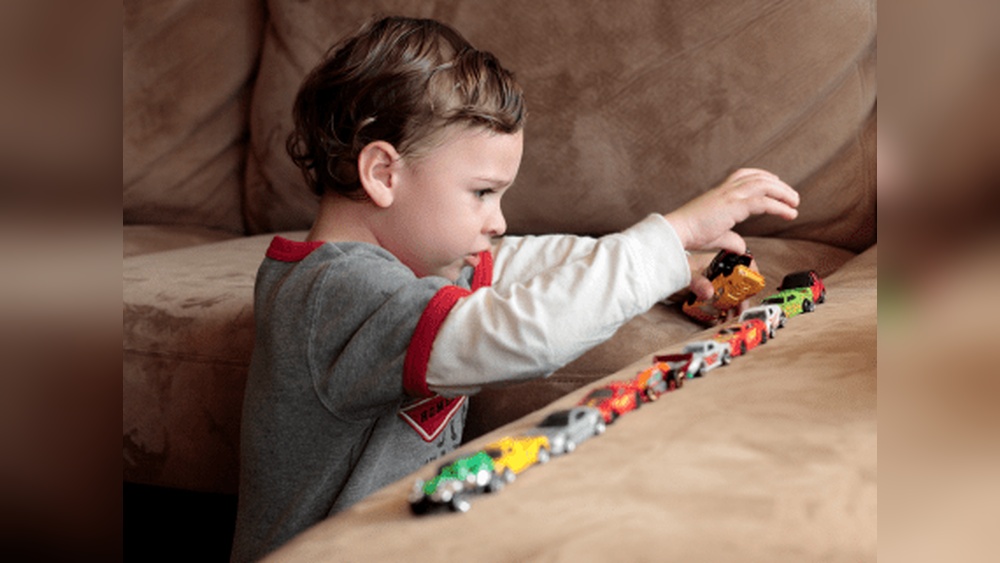
Have you ever noticed your child carefully arranging their toys in neat rows? You might wonder, “Do kids line up toys for a reason?”
This simple act can reveal a lot about how your child thinks and feels. Understanding why your child lines up toys can help you connect with them better and support their growth. Keep reading to discover the surprising reasons behind this behavior and how it can guide you in nurturing your child’s development.

Credit: eagleswill.com
Why Kids Arrange Toys
Children often arrange their toys in lines or patterns. This behavior is more than just play. It shows how kids learn and explore the world around them. Understanding why kids line up toys helps parents support their growth. It reveals important skills that children develop during playtime.
Natural Curiosity And Exploration
Kids use toys to explore new ideas. Lining up toys helps them see patterns and shapes clearly. This simple act feeds their curiosity. It allows them to test how objects relate to each other. Children learn cause and effect by arranging toys in different ways.
Developing Motor Skills
Arranging toys requires careful hand movements. Kids practice fine motor skills by picking up and placing toys. This builds hand-eye coordination and control. These skills are important for writing and other daily tasks. The more they play, the better their motor skills become.
Sense Of Order And Control
Children like to feel safe and organized. Lining up toys gives them a sense of order. It helps them control their environment. This control reduces anxiety and makes them feel calm. Kids gain confidence by creating their own neat spaces.
Cognitive Benefits Of Lining Up
Lining up toys is more than just play. It helps children’s brains grow in many ways. This simple activity improves thinking skills and builds a strong foundation for learning. Kids practice focus, math, and problem-solving by arranging their toys carefully.
Enhancing Focus And Attention
Lining up toys requires kids to concentrate on order and space. They learn to pay attention to small details. This focus helps in school tasks like reading and writing. Regular practice can improve their ability to stay on task longer.
Early Math And Pattern Recognition
Children see numbers and shapes when they line up toys. They notice patterns like colors, sizes, and types. This helps them understand basic math concepts. Counting and sorting become easier through this fun activity.
Problem-solving Skills
Kids think about how to arrange toys in a line. They try different ways to make it look right. This builds their ability to solve simple problems. It teaches patience and planning for better results.
Emotional And Social Factors
Children lining up toys is more than just play. It reflects deep emotional and social needs. This behavior helps kids feel safe and connect with others. Understanding these factors reveals why lining up toys is common and important for many kids.
Comfort And Predictability
Lining up toys creates order in a child’s world. It brings a sense of calm and control. Kids like knowing what comes next. This predictability reduces stress and helps them feel secure. The neat rows of toys act as a small, safe space.
Expressing Emotions Through Play
Kids use toy lines to show feelings. It can be a way to handle excitement, worry, or anger. Play becomes a silent language for emotions. Arranging toys in a pattern can soothe and help express inner thoughts. This form of play helps children understand themselves better.
Social Interaction And Mimicking
Children often copy what they see. Lining up toys can mimic adult actions or peer behavior. It is a step toward social skills and learning rules. This play style helps kids prepare for group activities. It builds patience and cooperation in simple, natural ways.

Credit: www.youtube.com
When Lining Up May Signal Concern
Lining up toys is a common behavior among children. It often shows their love for order and control. Most of the time, this habit is normal and harmless. But sometimes, it might signal a deeper concern.
Parents and caregivers should watch for patterns that seem unusual or extreme. These patterns can reveal if a child needs extra support or evaluation. Recognizing these signs early helps provide the right care.
Signs Of Repetitive Behavior
Repetitive behavior means doing the same action over and over. Children lining up toys repeatedly without stopping is one example. Other signs include rocking, hand-flapping, or repeating words.
These behaviors might interfere with daily activities. The child may seem upset if the order changes. Noticing these signs can help identify if the behavior is a concern.
Connections To Autism Spectrum
Lining up toys can be linked to autism spectrum disorder (ASD). Many children with ASD show strong interest in patterns and routines. They may use lining up as a way to feel safe.
This behavior helps them manage anxiety or sensory overload. It is not always a sign of autism but can be part of the bigger picture. Observing other social and communication skills is important.
When To Seek Professional Advice
Seek professional advice if lining up toys disrupts daily life. If the child struggles with social skills or communication, get help. Professionals can assess and suggest strategies to support the child.
Early intervention improves outcomes and helps the child grow. Trust instincts and consult experts when unsure about behaviors.
Encouraging Healthy Play Habits
Encouraging healthy play habits helps children grow in many ways. Play builds skills, shapes behavior, and sparks imagination. Kids who play well develop social and thinking abilities. Helping kids learn good play habits sets a strong foundation for life.
Parents and teachers can guide kids to enjoy play with balance. This means mixing rules with room for creativity. Healthy play also includes learning moments that feel fun and natural.
Supporting Creativity And Flexibility
Creative play helps children think in new ways. Let kids explore different ideas without strict rules. Flexible play encourages problem-solving and open minds. When kids line up toys, suggest changing the order or making stories. This keeps play fresh and exciting.
Balancing Structure And Freedom
Structure gives kids a sense of safety and order. Set simple guidelines for playtime. Too many rules can limit fun and creativity. Offer freedom inside those limits. This balance helps children feel confident and in control during play.
Incorporating Educational Activities
Play can teach numbers, colors, and shapes. Use toys for counting or sorting games. Encourage kids to talk about what they are doing. Learning through play makes education feel easy and fun. It supports brain growth and curiosity.

Credit: kdfoundation.org
Frequently Asked Questions
Why Do Kids Line Up Toys?
Kids line up toys to explore order and control. It helps them understand patterns, develop focus, and feel secure. This behavior is common in early childhood and supports cognitive growth and fine motor skills.
Is Lining Up Toys A Normal Behavior?
Yes, lining up toys is normal in young children. It reflects curiosity and the need to organize their environment. This activity supports learning and problem-solving abilities.
When Should I Be Concerned About Toy Lining?
Concern arises if lining up toys is repetitive and rigid, affecting social skills. If it interferes with daily activities, consult a pediatrician for evaluation.
Does Lining Up Toys Indicate Autism?
Lining up toys alone does not indicate autism. It’s a typical developmental behavior. However, if combined with other signs, professional assessment is advised.
Conclusion
Kids often line up toys as part of play and learning. This habit helps develop focus and organization skills. It also shows how children explore patterns and order. Watching kids arrange toys gives insight into their thinking. Parents and teachers can support this natural behavior.
It encourages creativity and problem-solving in young minds. Toys lined up tell a story of discovery and growth. Understanding this habit helps adults connect better with children’s world. It’s a simple act with meaningful benefits for kids’ development.
