
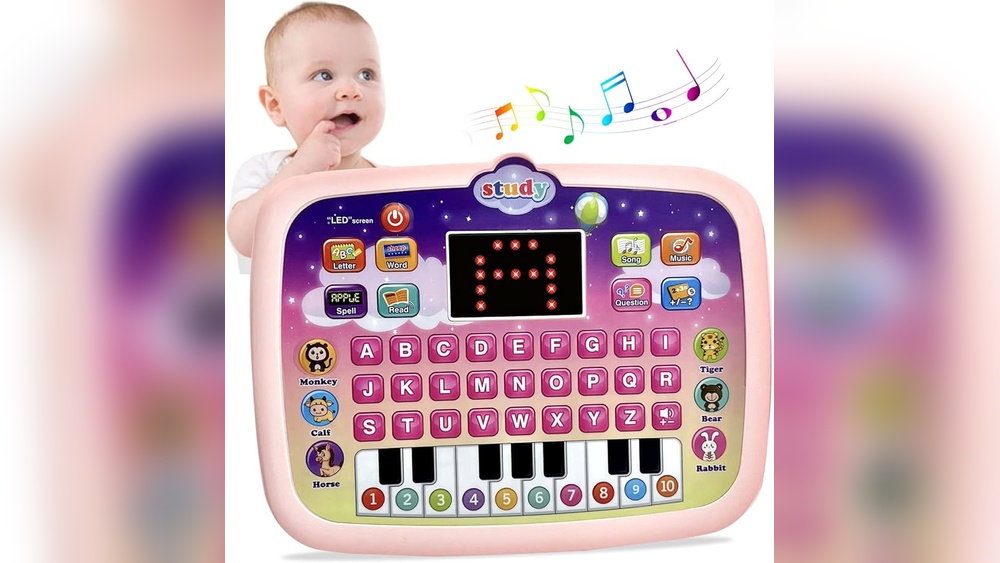
Have you ever wondered whether your child learns better from playing with toys or using screens? It’s a question many parents face every day.
You want what’s best for your child’s growth and development, but the choices can feel overwhelming. Imagine discovering the simple truth that can help you make smarter decisions about your child’s learning. Keep reading, and you’ll find out which option truly boosts their skills, sparks creativity, and builds a brighter future.
Your child’s learning journey starts here.

Credit: newschannel9.com
Learning Through Play
Learning through play is a natural way children discover the world. Play helps kids develop skills in a fun, relaxed setting. It supports their thinking, creativity, and social skills. Both toys and screens offer learning chances, but they work differently.
Benefits Of Toys In Child Development
Toys encourage active learning and problem-solving. Children use their hands and minds to explore shapes and colors. Toys promote fine motor skills and hand-eye coordination. Kids also learn cause and effect by building or sorting. Physical toys often help children focus better and stay engaged longer.
Role Of Imaginative Play
Imaginative play lets children create stories and roles. Toys like dolls or blocks spark creativity and storytelling. This type of play boosts language skills and emotional growth. Kids practice social roles and solve problems through pretend scenarios. Imagination helps children understand the world around them deeply.
Tactile And Sensory Engagement
Toys provide important touch and sensory experiences. Children feel different textures and shapes, aiding brain development. Sensory play helps kids calm down and focus. Screens lack real touch and physical interaction. Hands-on play strengthens sensory pathways and learning connections in the brain.

Credit: magnatiles.com
Impact Of Screens On Learning
Screens have become a big part of children’s lives. They offer many ways to learn and play. Understanding how screens affect learning is important for parents and teachers. Screens can help children learn new skills and ideas. Yet, too much screen time can cause problems too.
Educational Content And Interactive Apps
Many apps and videos teach letters, numbers, and shapes. These tools make learning fun and clear. Children can practice skills with games that talk and respond. Such apps help children learn at their own speed. They offer instant feedback to guide learning. But, content quality varies. Good apps focus on simple, clear lessons.
Attention Span And Screen Time
Screens can hold a child’s attention well. Bright colors and sounds keep kids focused. Yet, long screen time may shorten attention spans. Kids might find it hard to focus on tasks without screens. Short, regular breaks can help keep attention fresh. Setting limits on screen time supports healthy habits.
Visual And Auditory Stimuli
Screens provide strong visual and sound input. This can boost learning by making ideas clearer. Kids see images and hear words at the same time. This combination helps memory and understanding. But too much stimulation may cause overload. Balance is key to avoid confusion or tiredness.
Comparing Toys And Screens
Children learn in many ways. Toys and screens both play roles in their growth. Each has unique benefits and limits. Understanding these helps parents guide kids better.
Both toys and screens stimulate learning but in different ways. Comparing them helps us see which supports various skills best.
Cognitive Skill Development
Toys encourage hands-on problem solving. Puzzles and blocks boost thinking and memory. Kids learn cause and effect by touching and moving objects.
Screens offer educational apps and videos. These can teach letters, numbers, and stories quickly. Yet, screen time alone may reduce deep thinking and creativity.
Social Interaction And Communication
Toys often promote group play and talking. Playing with friends or family helps kids practice sharing and listening. This builds important social skills.
Screens mostly provide solo activities. Some apps allow chatting, but real face-to-face talk is limited. Too much screen use can reduce chances to practice speaking with others.
Physical Activity And Motor Skills
Toys like balls, bikes, and building sets help develop movement and hand-eye coordination. Active play supports healthy growth and body control.
Screens usually involve sitting still. Touchscreens require finger movements but less full-body activity. Long screen sessions may lower physical fitness and motor skill progress.
Age And Learning Preferences
Children’s learning preferences change as they grow. Age plays a big role in how kids learn best. Toys and screens both offer benefits, but their impact varies by age group. Understanding these differences helps parents and teachers choose better learning tools.
Toddlers And Early Childhood
Toddlers learn through hands-on play. Toys that encourage touching and moving help their brain growth. Simple blocks, puzzles, and shapes teach shapes, colors, and coordination. Screens can distract toddlers from real-world learning. Too much screen time may slow language skills. Interactive toys promote imagination and social skills more than screens.
School-aged Children
Kids aged 6 to 12 enjoy both toys and screens. Educational toys boost problem-solving and creativity. Building sets and science kits spark curiosity. Screens offer games and apps that teach math, reading, and science. Balance is key. Too much screen time can reduce physical activity. Hands-on toys keep kids active and engaged in learning.
Adolescents And Screen Use
Teens rely more on screens for learning and socializing. Educational videos, online courses, and apps support complex subjects. Screens help teens research and practice skills independently. Still, hands-on activities like sports and arts remain important. Screens can cause distractions if not managed well. A mix of screen learning and physical activity benefits teens the most.
Balancing Both For Optimal Growth
Children benefit from both toys and screens. Each offers unique learning chances. Balancing these tools helps kids grow well. Smart use supports brain, social, and motor skill development. A mix of hands-on play and digital interaction creates a rich learning world. Careful balance keeps children engaged and healthy.
Setting Healthy Boundaries
Clear limits protect kids from too much screen time. Set daily or weekly screen rules. Encourage breaks to rest eyes and move bodies. Boundaries teach self-control and healthy habits early. Balance playtime with screens and active moments. Consistent rules help kids know what is okay.
Combining Toys With Digital Tools
Use toys and screens together for deeper learning. Tablets can show how toys work or tell stories. Physical toys develop fine motor skills and creativity. Digital tools offer videos, games, and interactive lessons. Mixing both types supports different learning styles. This approach keeps children curious and motivated.
Parental Involvement And Guidance
Parents guide children in using toys and screens wisely. Play with kids to understand their interests. Talk about what they see and do online. Help kids choose educational apps and safe content. Join screen time to turn it into bonding time. Active guidance builds trust and learning habits.

Credit: www.amazon.com
Frequently Asked Questions
Do Kids Learn Better From Toys Or Screens?
Kids learn better from toys as they encourage hands-on play and creativity. Screens offer visual and interactive learning but may limit physical engagement. A balanced mix of both provides the best learning outcomes by combining tactile experience with digital skills development.
How Do Toys Enhance Child Development?
Toys promote fine motor skills, problem-solving, and imagination. They encourage social interaction and emotional growth during play. Physical toys foster creativity and cognitive skills through active involvement, making them essential for holistic child development.
Are Screens Useful For Educational Purposes?
Yes, screens offer access to educational apps and videos that boost learning. They support visual and auditory skills and provide interactive content. However, screen time should be limited to ensure healthy development and avoid negative effects on attention span.
What Is The Ideal Screen Time For Kids?
Experts recommend no more than 1 hour of quality screen time daily for children aged 2 to 5. Older kids should have balanced screen use combined with physical activities. Limiting screen time helps prevent overexposure and supports healthy brain development.
Conclusion
Kids learn differently from toys and screens. Toys help with hands-on skills and creativity. Screens offer quick information and visual learning. Both have strengths and limits. Balance is key for healthy development. Parents should guide time spent on each. Mixing play and screen time works best.
This way, kids gain varied knowledge and skills. Choosing wisely supports their growth and fun.
