
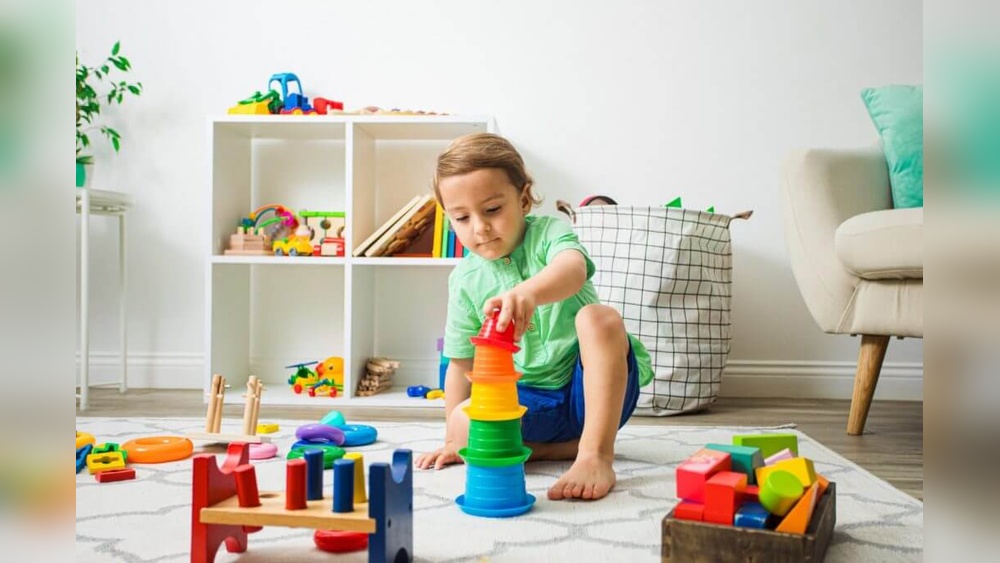
Have you ever wondered if letting your child play with toys without strict rules or instructions really helps them grow? You might think structured games are best, but unstructured toy play offers something special.
It sparks creativity, builds problem-solving skills, and boosts independence—all while your child enjoys themselves. If you want to discover how this simple type of play can benefit your child’s development in ways you might not expect, keep reading. Your child’s next favorite moment of learning could be just a toy away.
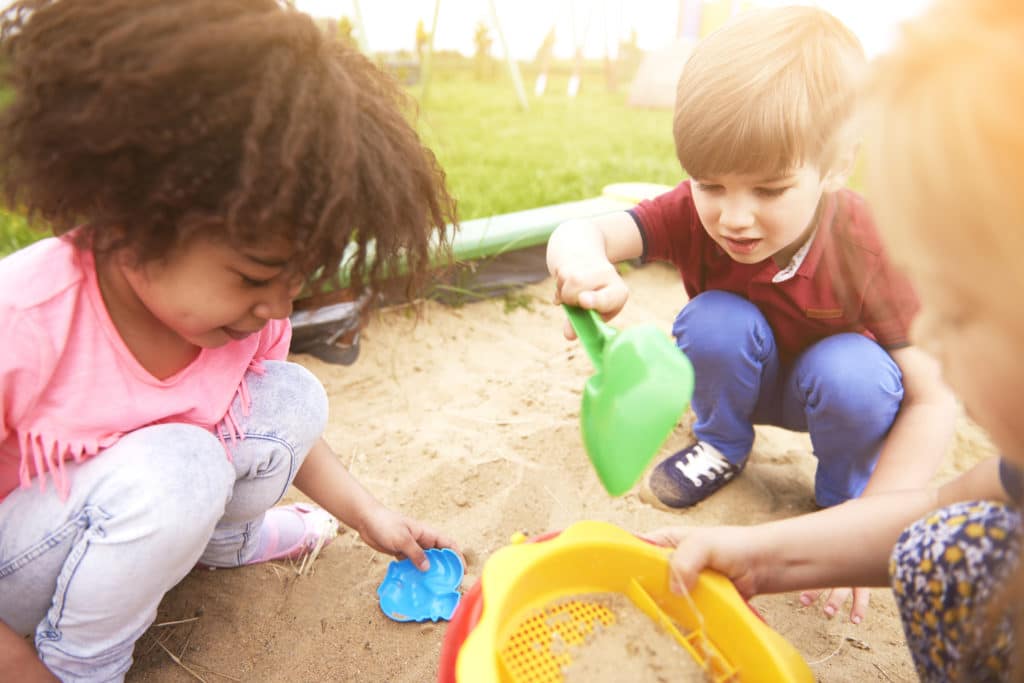
Credit: centercitypediatrics.com
Benefits Of Unstructured Play
Unstructured play is a simple yet powerful way for kids to learn and grow. It lets children explore their world freely without strict rules or guidance. This type of play helps kids develop many important skills that support their overall development.
Children can learn at their own pace and follow their own ideas. This freedom builds confidence and helps children enjoy learning. Unstructured play also encourages curiosity and discovery, which are key for healthy brain development.
Enhancing Creativity
Unstructured play allows children to think outside the box. They create new ideas and try different ways to play. This practice boosts creative thinking and helps children express themselves. Kids learn to make up stories, build things, or invent games. This freedom sparks original thoughts and nurtures artistic skills.
Developing Problem-solving Skills
During unstructured play, children face small challenges. They figure out how to fix problems or solve puzzles on their own. This process strengthens their critical thinking and decision-making. Kids learn patience and persistence by trying different solutions. These skills are important for school and life.
Encouraging Imagination
Imagination grows naturally with unstructured play. Children picture new worlds and act out roles. This kind of play helps kids understand emotions and social roles. They practice empathy and learn how to relate to others. Imaginative play makes learning fun and meaningful.
Types Of Unstructured Toy Play
Unstructured toy play allows children to explore and create without strict rules. Different types of toys and objects support this open play. Each type encourages imagination and problem-solving in unique ways.
Open-ended Toys
Open-ended toys have no fixed use or outcome. Blocks, clay, and simple building sets fit this type. Kids can build, shape, or combine these toys freely. Such toys boost creativity and thinking skills. Children enjoy making new things every time they play.
Natural And Everyday Objects
Natural items like sticks, stones, and leaves inspire unique play ideas. Everyday objects like boxes, spoons, or fabric also work well. These items invite children to use their imagination. They learn to see common objects in new ways. This type of play is simple and cost-effective.
Role-playing Scenarios
Role-playing toys include dolls, costumes, and pretend tools. Kids act out stories and everyday situations with these items. Role play improves social skills and emotional understanding. Children learn about different roles and teamwork. It creates a safe space for expressing feelings.
Impact On Cognitive Growth
Unstructured toy play has a strong impact on children’s cognitive growth. It allows kids to explore and learn without strict rules. This type of play encourages creativity and problem-solving. Children develop skills that help them think clearly and act independently.
Boosting Brain Development
Unstructured play helps build new brain connections. Kids use their imagination to create stories and scenarios. This activity strengthens memory and thinking skills. It also improves language abilities as children describe their play.
Improving Attention And Focus
Playing freely helps children concentrate better. They decide what to play and how to play it. This choice trains their attention span naturally. Kids learn to focus on tasks without outside pressure.
Fostering Independent Thinking
Unstructured play encourages kids to make their own decisions. They solve problems in their unique ways. This freedom builds confidence and critical thinking. Children learn to trust their ideas and actions.
Social And Emotional Advantages
Unstructured toy play offers many social and emotional benefits for children. It helps them learn to interact with others and understand their feelings. These moments of free play create a safe space for kids to practice important life skills. They build bonds, express emotions, and learn how to work with others. The social and emotional growth from such play forms a strong foundation for future relationships and self-awareness.
Building Communication Skills
Kids use unstructured play to talk and listen to their friends. They practice sharing ideas and explaining their thoughts. This helps them improve vocabulary and sentence building. Children learn to read body language and tone of voice. These skills help them communicate better in school and daily life.
Enhancing Emotional Expression
Free play lets children show their feelings without limits. They can act out joy, anger, or fear through toys and role-play. This helps them understand their emotions and how to manage them. Expressing feelings in play reduces stress and builds emotional strength. It also teaches kids to recognize emotions in others.
Promoting Cooperation And Sharing
During unstructured play, children learn to share toys and space. They figure out how to take turns and work as a team. This encourages patience and respect for others. Kids develop problem-solving skills by negotiating play roles. Cooperation in play builds friendships and trust among peers.
Guiding Without Controlling
Guiding children during unstructured toy play means supporting their choices without taking over. It helps kids feel safe and confident while exploring their ideas. Adults watch and help only when needed, giving kids space to learn on their own. This balance lets children grow creativity and problem-solving skills naturally.
Creating A Supportive Environment
Make a space where kids feel free to play and try new things. Keep toys and materials easy to reach. Offer a quiet, comfortable area without too many distractions. Show interest in what children do, but avoid directing their actions. Let children decide how to use toys and what stories to create.
Balancing Freedom And Safety
Give children the freedom to explore while keeping them safe. Remove sharp or small objects that can cause harm. Teach simple safety rules clearly and kindly. Step in only if there is real danger. This balance helps kids feel secure and confident in their play.
Encouraging Exploration
Ask questions that make children think about their play. Say things like, “What can you build next?” or “How does this work?” Praise their efforts, not just results. Let kids try different ideas, even if they fail. Encouragement sparks curiosity and helps children discover new skills.
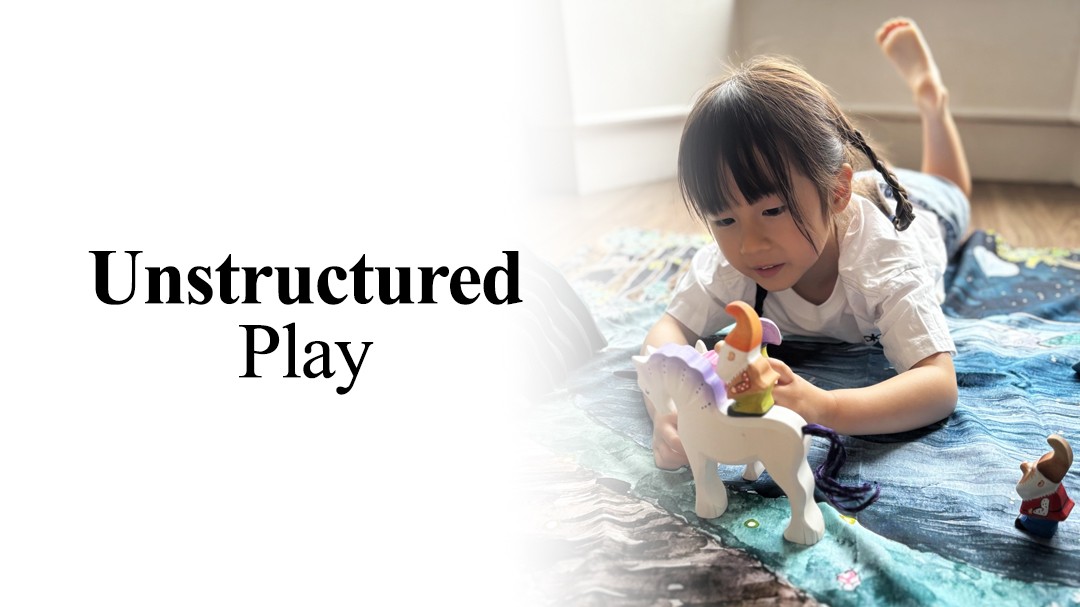
Credit: www.bumbutoys.com
Choosing The Right Toys
Choosing the right toys plays a big role in how kids benefit from unstructured play. The right toys invite creativity and open-ended fun. They do not limit the child’s imagination or set strict rules. Parents should focus on toys that encourage exploration and problem-solving. These toys support learning through play without forcing specific outcomes.
Selecting Versatile Toys
Versatile toys can be used in many ways. Blocks, simple dolls, or plain cars let kids build their own stories. These toys grow with the child’s ideas. They do not have just one use or way to play. Versatile toys help children think freely and try new things every time they play.
Avoiding Overly Structured Options
Toys with strict rules or fixed outcomes limit creativity. Puzzle sets or electronic toys that guide the child step-by-step reduce open play. Children may focus on winning or following instructions instead of imagining. Avoid toys that decide how to play. Let children explore and create their own fun.
Incorporating Natural Materials
Toys made from natural materials like wood, cotton, or stone feel warm and real. They connect children with the natural world. These toys often have simple shapes and textures. This simplicity sparks curiosity and sensory learning. Natural toys inspire gentle, thoughtful play that lasts longer.
Parental Role In Unstructured Play
Parents play a key role in supporting unstructured toy play. Their actions shape how children explore and learn during playtime. The right balance helps kids grow confidence and creativity.
Parents should know when to step back and when to step in. This balance makes play more meaningful and fun. It also teaches children independence and problem-solving skills.
Observing Without Interfering
Watching your child play without interrupting helps build their independence. It shows trust in their ideas and choices. Observation lets you understand their interests and emotions better.
Interfering too much can stop creativity. Kids need space to try new things and make mistakes. Quiet observation supports their natural learning process.
Offering Encouragement
Simple words like “great idea” or “nice work” boost a child’s confidence. Encouragement motivates them to keep exploring. It helps kids feel proud of their efforts.
Focus on effort, not results. Praise their creativity and problem-solving. This helps children enjoy play without fear of failure.
Respecting Child-led Playtime
Let children choose how and what to play with. Child-led play builds decision-making skills. It respects their unique interests and pace.
Avoid pushing activities or toys. Following their lead makes play more enjoyable. It encourages deeper engagement and learning.
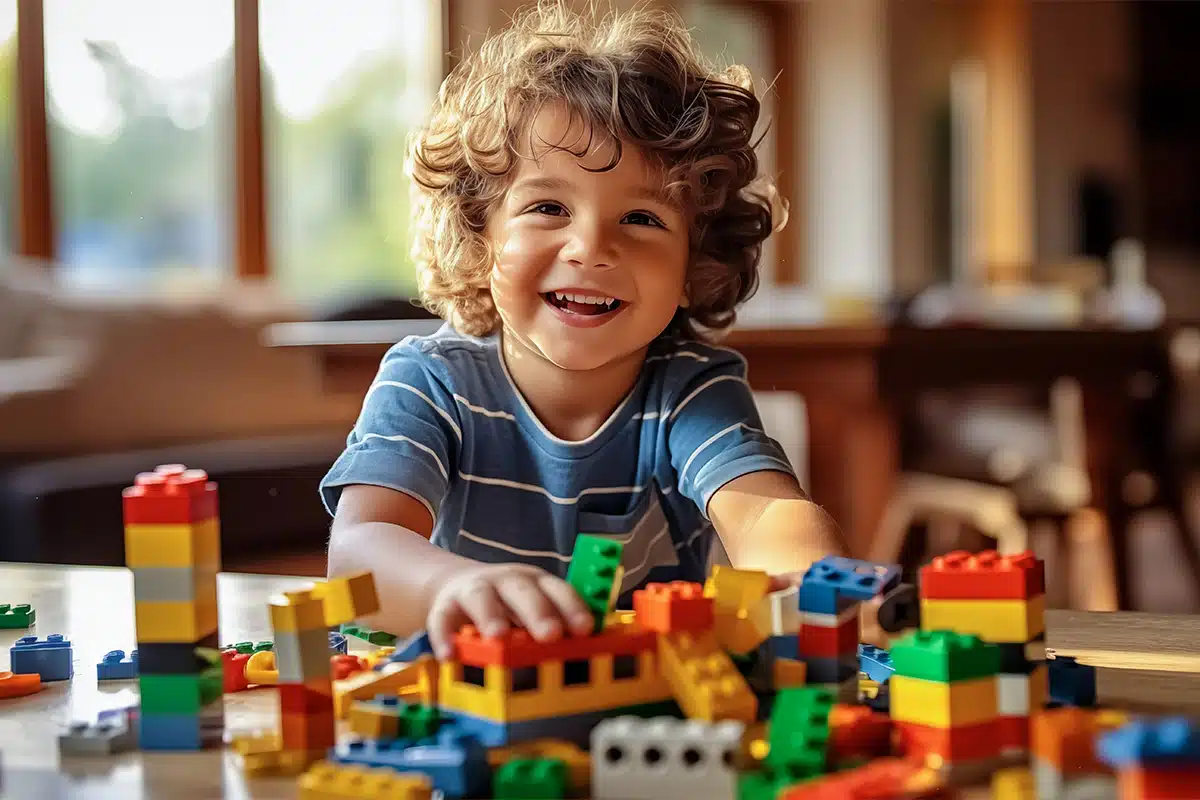
Credit: pediatricconsultations.com
Frequently Asked Questions
What Is Unstructured Toy Play For Kids?
Unstructured toy play means children play freely without set rules or instructions. It encourages creativity and imagination. Kids explore toys in their own way, fostering problem-solving and decision-making skills. This type of play supports cognitive and emotional development.
How Does Unstructured Play Benefit Child Development?
Unstructured play boosts creativity, language, and social skills. It helps children learn to solve problems independently. This play type also enhances emotional regulation and confidence. Overall, it supports holistic growth by allowing kids to explore and experiment freely.
Can Unstructured Play Improve Kids’ Creativity?
Yes, unstructured play significantly enhances creativity. Kids invent stories and new ways to use toys. This freedom encourages imaginative thinking and innovation. It helps children develop unique ideas and flexible thinking patterns essential for creative problem-solving.
Does Unstructured Play Support Social Skills?
Unstructured play promotes social skills by encouraging cooperation and communication. Kids learn to share, negotiate, and resolve conflicts during free play. It provides natural opportunities to practice empathy and teamwork in a relaxed environment.
Conclusion
Unstructured toy play helps kids think and create on their own. It builds their problem-solving skills and boosts imagination. Children learn to explore feelings and share ideas. This type of play also supports social skills and independence. Letting kids play freely gives them space to grow.
Simple toys can lead to big learning moments. Encouraging unstructured play sets a strong foundation for their future. It is a natural and fun way to develop important skills. Kids truly benefit from time spent in open-ended play.
