
Are you wondering if you can toss your kids’ toys into the washing machine without ruining them? Keeping your child’s toys clean is important, but it can feel like a tricky task.
You want to make sure they’re safe and germ-free, yet you don’t want to spend hours scrubbing by hand. What if there was an easy way to freshen up those favorite toys? You’ll discover exactly which toys can go in the washing machine, how to do it safely, and what to avoid.
By the end, you’ll have simple tips to keep your child’s playthings spotless and safe—without the hassle. Keep reading to find out more!
Credit: business.walmart.com
Types Of Toys Suitable For Machine Washing
Cleaning kids’ toys in the washing machine saves time and keeps them safe. Not all toys are good for machine washing. Some can get damaged or break easily. Knowing which toys work well in the washer helps parents keep toys clean without harm.
Soft Plush Toys
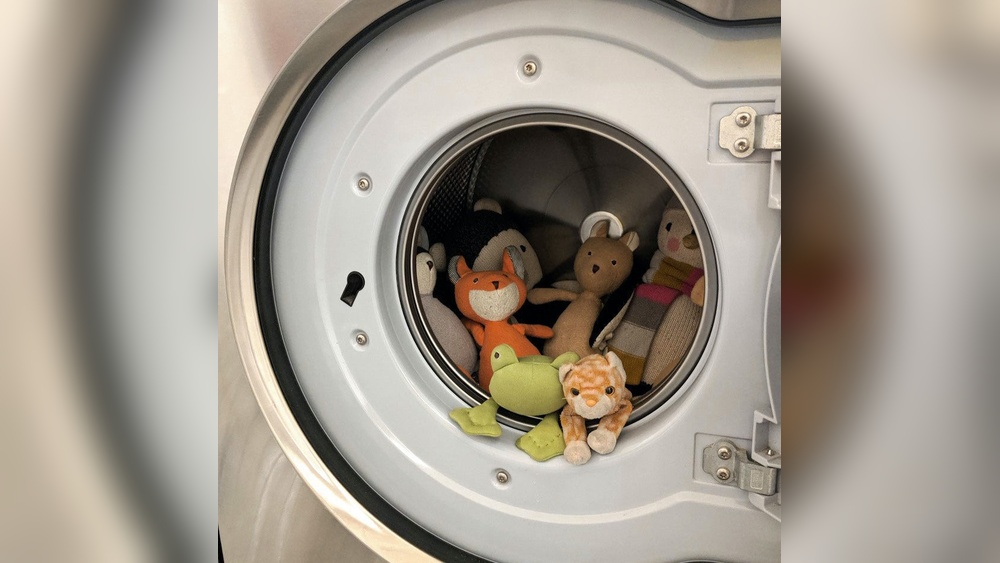
Soft plush toys are perfect for machine washing. They are made from fabric and stuffing that hold up well in water. Use a gentle cycle and cold water to protect the fabric. Place toys in a pillowcase or laundry bag to keep them safe. Avoid washing toys with loose parts or delicate decorations.
Plastic Toys With No Electronic Parts
Plastic toys without batteries or electronics can go in the washing machine. These toys are sturdy and water-safe. Put them in a mesh bag to stop them from banging around. Use a gentle cycle and mild detergent. Avoid high heat drying to prevent warping or damage.
Fabric Books And Stuffed Animals
Fabric books and stuffed animals made for babies are usually machine washable. They are designed to handle water and gentle washing. Check labels for washing instructions. Use cold water and mild detergent. Dry on a low heat or air dry to keep them soft and safe.
Toys To Avoid Washing In The Machine
Some kids’ toys should never go in the washing machine. Washing these toys can cause damage or make them unsafe for children. It is important to know which toys to avoid washing in the machine to keep them clean and lasting longer.
Electronic And Battery-operated Toys
Electronic toys have small parts that water can ruin. Batteries inside these toys can leak or stop working after washing. Water can damage the circuits and stop the toy from working. Hand cleaning is safer for these toys.
Delicate Or Handmade Toys
Delicate toys often have soft fabrics or loose parts. Washing machines can tear or shrink these toys. Handmade toys may lose their shape or colors in the wash. Gentle cleaning by hand keeps their quality and look intact.
Toys With Adhesive Or Paint
Toys with glued parts can fall apart in the washer. Paint on toys may chip or fade after a wash cycle. Machine washing can weaken the glue and damage decorations. Spot cleaning helps keep these toys in good condition.
Preparing Toys For The Washing Machine
Preparing kids’ toys for the washing machine is important. It helps keep toys safe and clean. Taking a few simple steps can protect the toys and the machine. This section explains how to get toys ready for washing.
Remove Batteries And Accessories
Always take out batteries before washing. Water can damage batteries and cause leaks. Remove small parts like stickers or detachable pieces. These items can get lost or break during the wash.
Use Laundry Bags For Protection
Place toys inside laundry bags or pillowcases. This stops toys from hitting the machine hard. It also keeps small toys from falling out. Laundry bags help protect both toys and the washer.
Check For Loose Parts Or Damage
Look closely for loose or broken parts. Fix or throw away damaged toys before washing. Loose pieces can fall off and damage the machine. Washing only safe toys keeps everything working well.
Choosing The Right Washing Settings
Choosing the right washing settings is key to cleaning kids’ toys safely in a washing machine. The correct settings protect toys from damage. They also help remove dirt and germs effectively. This section explains how to select the best settings for a safe wash.
Selecting Gentle Cycles
Gentle cycles reduce the washing machine’s speed and force. This protects delicate toys from breaking. Use gentle or delicate cycles for toys with small parts or soft materials. These cycles clean without rough agitation. They keep toys safe and intact.
Using Cold Water
Cold water is best for washing kids’ toys. It prevents colors from fading and materials from shrinking. Cold water also saves energy. It cleans well enough to remove dirt and germs. Avoid hot water, which can damage plastic and fabric toys.
Choosing Mild Detergents
Use mild detergents made for sensitive skin or baby clothes. These detergents are gentle on toys and safe for children. Avoid harsh chemicals or strong fragrances. Mild detergents clean toys without leaving harmful residues. This keeps toys safe for kids to play with.
Drying Toys Safely After Washing
Drying toys safely after washing is very important. Wet toys can hold water inside. This can cause problems like bad smells or germs. Drying them well keeps toys clean and safe for kids. It also helps toys last longer. Here are some simple ways to dry toys after washing.
Air Drying Tips
Air drying is the safest way to dry toys. Place toys on a clean towel in a warm area. Make sure toys have space to let air flow around them. Turn toys over often to dry all sides. Avoid direct sunlight for toys with colors. Sun can fade or damage them. Air drying takes time but keeps toys safe.
Using Dryer On Low Heat
Some toys can go in the dryer. Use the lowest heat setting to avoid damage. Put toys in a pillowcase or mesh bag first. This protects toys from rough dryer parts. Check toys after a short time to see if dry. Stop drying if toys get hot or start to melt. Not all toys are safe for dryers, so check labels.
Avoiding Mold And Mildew
Mold and mildew grow when toys stay wet too long. Always dry toys quickly and completely. Do not put wet toys in closed containers. Store toys only when fully dry. If toys smell musty, wash and dry again. Keep drying areas clean and dry to stop mold growth.
Alternative Cleaning Methods For Toys
Cleaning kids’ toys is important to keep germs away and ensure safe play. Washing machines may not suit all toys. Some materials can get damaged or lose shape. Alternative cleaning methods work well for delicate or electronic toys. These methods help remove dirt and kill germs without harsh washing.
Hand Washing With Soap And Water
Fill a basin with warm water and mild soap. Use a soft cloth or sponge to scrub toys gently. Focus on crevices and textured areas where dirt hides. Rinse toys with clean water to remove soap. Let toys air dry completely before giving them back to kids.
Using Disinfectant Wipes
Disinfectant wipes offer a quick and easy way to clean toys. Wipe the surface thoroughly, covering all parts. These wipes kill germs and bacteria effectively. They work great for plastic, rubber, and hard toys. Avoid wipes with strong chemicals on toys kids put in their mouths.
Spot Cleaning Stubborn Stains
Stains may not come off with simple washing. Use a soft brush or cloth with a little baking soda paste or mild detergent. Gently rub the stained area until it lifts. Rinse the spot with water and dry it well. Spot cleaning keeps toys looking fresh without soaking them.
Maintaining Toy Hygiene Regularly
Toys bring joy but can carry germs. Keeping toys clean stops bacteria and viruses from spreading. Regular cleaning helps protect your child’s health. Clean toys also last longer and look nicer. A simple routine makes toy hygiene easy and effective.
Establishing Cleaning Routines
Set a regular schedule to clean toys. Choose a day each week or month. Use mild soap and water or safe wipes. For soft toys, check if they can go in the washing machine. Clean toys after illness or outdoor play. Consistency keeps toys fresh and safe.
Storage Tips To Keep Toys Clean
Store toys in dry, clean places. Use bins or shelves to organize them. Avoid leaving toys on the floor. Cover storage boxes to prevent dust and dirt. Separate clean toys from dirty ones. Proper storage reduces germs and damage.
Encouraging Kids To Keep Toys Clean
Teach kids to wash hands before and after play. Show them how to put toys away properly. Make cleaning toys a fun activity together. Praise children for helping keep toys clean. Good habits start young and make a big difference.
Credit: www.walmart.com

Credit: www.amazon.com
Frequently Asked Questions
Can All Kids Toys Be Washed In A Washing Machine?
Not all kids toys are machine washable. Soft, fabric toys usually are, while electronic or wooden toys are not safe for the machine. Always check the toy’s label or manufacturer’s instructions before washing.
How Do I Safely Wash Kids Toys In The Washing Machine?
Use a gentle cycle with cold water and mild detergent. Place toys in a mesh laundry bag to protect them. Avoid high heat drying to prevent damage.
Will Washing Machine Damage Kids Toys?
Washing machines can damage delicate toys, especially those with electronics or glued parts. Soft, durable toys typically withstand machine washing well if done gently.
How Often Should Kids Toys Be Machine Washed?
Wash kids toys every few weeks or when visibly dirty. Regular cleaning helps reduce germs and allergens, promoting a healthier play environment.
Conclusion
Washing kids’ toys in the machine can save time and effort. Always check the toy’s label first for washing instructions. Use a gentle cycle and mild detergent to protect toys. Avoid washing toys with batteries or electronic parts inside. Dry toys completely before giving them back to children.
Clean toys often to keep germs away and kids healthy. Machine washing works well for soft, fabric toys. For plastic or delicate toys, hand washing is safer. Keeping toys clean helps children play happily and safely.
