
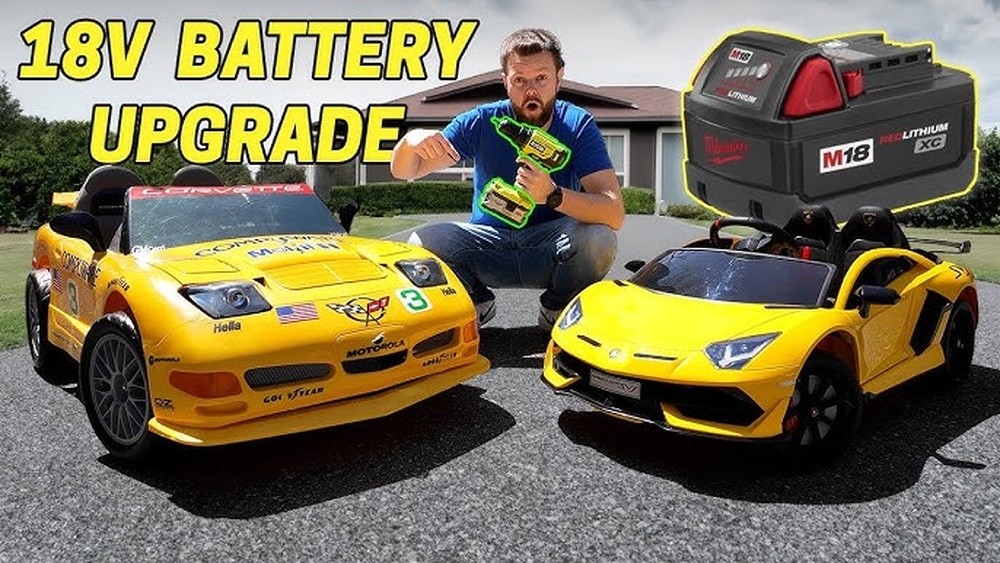
Have you ever wondered if you can put a bigger battery in your kid’s toy car to make it run longer or faster? It sounds like a simple upgrade, but there’s more to it than just size.
Using the wrong battery could damage the toy or even be unsafe for your child. If you want to keep your little one’s ride-on fun and safe, you need to know what works and what doesn’t. Keep reading, and you’ll discover the key things to consider before making that battery swap.

Credit: www.youtube.com
Battery Types For Toy Cars
Toy cars use different types of batteries to work well. The battery type affects how long the car runs and how fast it goes. Choosing the right battery is important for safety and performance. Some batteries fit better than others. Knowing the basics helps you pick the best one for your kid’s toy car.
Battery types vary by size, voltage, and capacity. These factors decide how much power the toy car gets. This section explains common battery sizes and the differences in voltage and capacity.
Common Battery Sizes
Toy cars usually use AA, 6V, or 12V batteries. AA batteries are small and easy to find. Many small toy cars use them. Larger toy cars often use 6V or 12V batteries. These batteries provide more power for bigger motors. Some cars use rechargeable battery packs. These packs come in specific sizes made for the toy. Always check the car’s manual for the right battery size.
Voltage And Capacity Differences
Voltage shows how strong the battery power is. Higher voltage means the toy car runs faster. Too high voltage can damage the motor or electronics. Capacity is how long the battery lasts. It is measured in milliamp hours (mAh). Higher capacity means longer playtime. Bigger batteries often have higher capacity. Using a bigger battery with the right voltage helps the car run longer and faster. Do not use a battery with too much voltage. It can cause safety problems and break the toy car.

Credit: www.bigtoysgreencountry.com
Effects Of Bigger Batteries
Using a bigger battery in a kids’ toy car can change how the car works. It affects many parts of the car. Some changes are good, but some may cause problems. Understanding these effects helps decide if a bigger battery is the right choice.
Impact On Speed And Performance
A bigger battery usually means more power for the toy car. This extra power can make the car go faster. The motor gets more energy, so it runs stronger and longer. The car may also run for more time before the battery dies. But too much power can stress the motor and wires, causing damage. The car might also get harder to control at high speeds. Safety can become a concern if the car moves too fast for a child.
Weight And Balance Changes
Bigger batteries often weigh more than the original ones. This added weight changes the car’s balance. The car may feel heavier and harder to steer. The wheels and suspension might wear out faster due to extra weight. A heavier car can also use more energy, lowering battery life. Proper balance is important for smooth rides and safety. Changing the battery size can disrupt how the car moves and handles on different surfaces.
Safety Risks Of Larger Batteries
Using a bigger battery in a kids’ toy car might seem like a good idea for longer playtime or more power. Yet, bigger batteries bring serious safety risks. These risks can harm the child and damage the toy. Understanding these dangers helps keep playtime safe and fun.
Overheating And Fire Hazards
Larger batteries hold more energy. This can cause them to heat up quickly during use. Overheating may melt parts inside the toy car. It can also cause the battery to catch fire or explode. Children can get burns or inhale harmful smoke. Toys are not built to cool down bigger batteries well.
Charging a bigger battery in a small toy can also cause fires. The charger might not match the battery size. This mismatch creates heat and sparks. Keeping the original battery size lowers these risks. Safety always comes first with kids’ toys.
Electrical System Overload
Toys have electrical parts made for certain battery limits. A bigger battery sends more power than the toy can handle. This overload can break wires and damage motors. The toy may stop working or act unpredictably. Loose wires or sparks inside can cause shocks or fires.
Using batteries not designed for the toy voids warranties. Repairs become costly and difficult. Toy makers test their products for safety with specific batteries. Changing battery size breaks these safety checks. Stick with the recommended battery for safe play.

Credit: www.amazon.com
Manufacturer Guidelines
Manufacturer guidelines are important when thinking about battery upgrades for kids’ toy cars. They set clear rules to keep the toy safe and working well. Following these rules helps avoid damage and keeps the car running smoothly.
Recommended Battery Specifications
Manufacturers list the exact battery size and power for each toy car. These details include voltage, capacity, and type. Using the right battery ensures the car runs as it should. Bigger batteries might seem better but can cause overheating or damage. Always check the manual before changing the battery.
Warranty And Liability Concerns
Changing the battery to a bigger one may void the warranty. Manufacturers may refuse repairs if guidelines are ignored. Safety risks increase with unauthorized battery changes. The toy could malfunction or cause accidents. Sticking to the recommended battery keeps the warranty valid and reduces risks.
Installation Best Practices
Installing a bigger battery in a kids’ toy car requires care and attention. Proper steps help ensure safety and good performance. Follow key practices to avoid damage and keep the toy working well.
Proper Wiring Techniques
Use wires that match the battery’s voltage and current. Connect wires firmly to avoid loose ends. Check the polarity before connecting the battery. Wrong connections can damage the toy’s motor. Use electrical tape or heat shrink tubing on exposed wires. This prevents short circuits and sparks.
Securing The Battery Safely
Place the battery in a stable spot inside the toy car. Use straps or holders to keep it from moving. Avoid areas near sharp edges or moving parts. Make sure the battery does not touch metal parts directly. This lowers the risk of short circuits or damage. Always check the battery’s temperature during use. Stop if it gets too hot.
Alternative Solutions
There are safer ways to improve your kid’s toy car battery life. Bigger batteries might not fit or could cause damage. Alternative solutions can help extend playtime without risk. These options focus on better quality or external power sources.
Upgrading To Higher Quality Batteries
Choose batteries with higher capacity but the same size. Good brands last longer and deliver steady power. Rechargeable batteries can save money and reduce waste. Always check the toy’s voltage requirements. This prevents damage to the car’s motor and electronics.
Using External Power Sources
External power packs provide longer playtime without changing the battery size. These packs connect safely and offer extra hours of fun. Use power sources designed for kids’ toys only. Avoid power sources with too high voltage. Safety must come first to protect your child and the toy.
Monitoring And Maintenance
Monitoring and maintenance are key when upgrading a kids’ toy car battery. A bigger battery can give more power, but it needs careful attention. Checking the battery often helps keep the toy car safe and working well. Proper care can also extend the battery’s life. Let’s explore how to keep the battery in good shape.
Regular Battery Checks
Check the battery connections every week. Loose wires can cause the car to stop suddenly. Look for any dirt or dust on the battery terminals. Clean them gently with a dry cloth. Use a voltmeter to check the battery charge level. This helps know if the battery is full or needs charging. Always follow the toy car’s manual for specific instructions.
Signs Of Battery Damage
Watch out for swelling or leaks on the battery. These are signs the battery is damaged and unsafe. A burning smell or unusual heat also means trouble. If the car runs slower than usual, the battery may be weak. Strange noises or the car not starting can signal battery problems. Replace the battery right away if you see these signs.
Frequently Asked Questions
Can I Use A Bigger Battery In A Kids Toy Car?
Yes, you can use a bigger battery, but it may damage the toy. Check the voltage and size first to avoid issues.
What Happens If The Battery Is Too Powerful?
A more powerful battery can overheat or damage the motor and electronics. It may also void the warranty.
Will A Bigger Battery Increase Playtime?
A bigger battery usually provides longer playtime, but it depends on the toy’s motor and power consumption.
How Do I Choose The Right Battery Size?
Match the battery voltage and size with the manufacturer’s recommendations. Avoid exceeding the specified limits for safety.
Conclusion
Choosing a bigger battery for a kids’ toy car can seem helpful. It might give the car more power and longer playtime. But it can also cause damage or safety problems. Always check the car’s battery limits first. Use batteries that fit the car’s design and instructions.
Safety comes first for children’s toys. A well-matched battery keeps the car working well and safe. Think twice before changing parts that affect performance. Playtime should be fun and worry-free for both kids and parents.
