
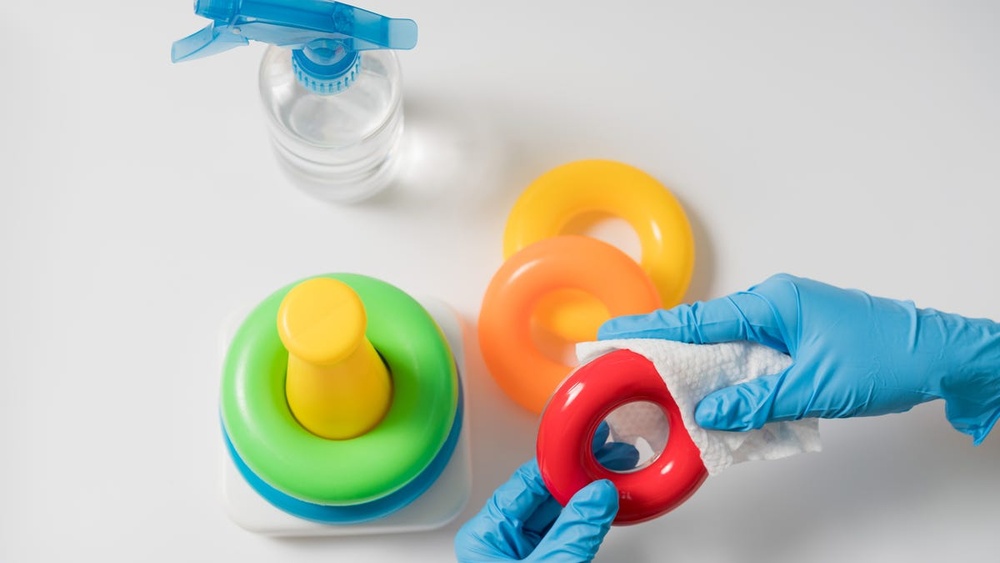
You want to keep your baby’s toys clean and safe, but can you really use Lysol wipes for that? It’s a question many parents ask because you want to protect your little one from germs without exposing them to harmful chemicals.
Finding the right way to clean toys is important, and knowing if Lysol wipes are a good choice can save you time and worry. Keep reading to discover the truth about using Lysol wipes on baby toys and learn the best tips to keep your child’s playtime both fun and safe.
Credit: www.lysol.com
Lysol Wipes And Baby Toy Safety
Keeping baby toys clean is very important. Babies often put toys in their mouths. This means germs on toys can easily reach them. Many parents use Lysol wipes to clean surfaces. But are Lysol wipes safe for baby toys? Understanding the ingredients and risks helps make safe choices.
Some wipes may leave harmful chemicals behind. Babies are more sensitive to these chemicals. It is important to know what is in Lysol wipes. This knowledge helps prevent any danger to babies.
Ingredients In Lysol Wipes
Lysol wipes contain disinfectants that kill germs fast. They include chemicals like ethanol and benzalkonium chloride. These ingredients help remove bacteria and viruses from surfaces. Wipes also have fragrances and preservatives. These keep wipes fresh and effective.
Many ingredients are strong and not meant for direct contact. They can leave residues on toys even after wiping. These residues may cause irritation or allergic reactions. Understanding these ingredients helps decide if wipes suit baby toys.
Potential Risks For Babies
Babies have delicate skin and sensitive lungs. Chemicals left on toys can cause skin rashes. If babies chew on wiped toys, they may swallow harmful substances. These chemicals can upset their stomach or cause other health issues.
Some disinfectants may cause breathing problems if inhaled in large amounts. Toys wiped with Lysol should dry completely before giving to babies. Even then, tiny residues might remain. Extra care is needed to avoid any health risks.
Types Of Baby Toys
Baby toys come in different shapes and materials. Each type needs special care to stay clean and safe for your child. Understanding the types helps decide if Lysol wipes are good for cleaning them. Here are common types of baby toys and how they differ.
Plastic And Rubber Toys
These toys are easy to clean and often waterproof. They can be wiped with Lysol wipes safely. Plastic and rubber toys do not absorb liquids, so germs stay on the surface. Wiping removes dirt and kills bacteria quickly. Avoid soaking them in water for too long to protect the material.
Fabric And Plush Toys
Soft toys like stuffed animals need gentle cleaning. Lysol wipes may damage the fabric or leave harmful residues. Washing with mild soap and water is better. Some plush toys can go in the washing machine. Always check the care label before cleaning to avoid ruining the toy.
Electronic Toys
These toys have batteries and circuits inside. Using too much liquid can harm them. Lysol wipes can clean the surface gently without soaking the toy. Avoid spraying cleaners directly on electronic parts. Wipe carefully and let the toy dry completely before use.
Cleaning Baby Toys With Lysol Wipes
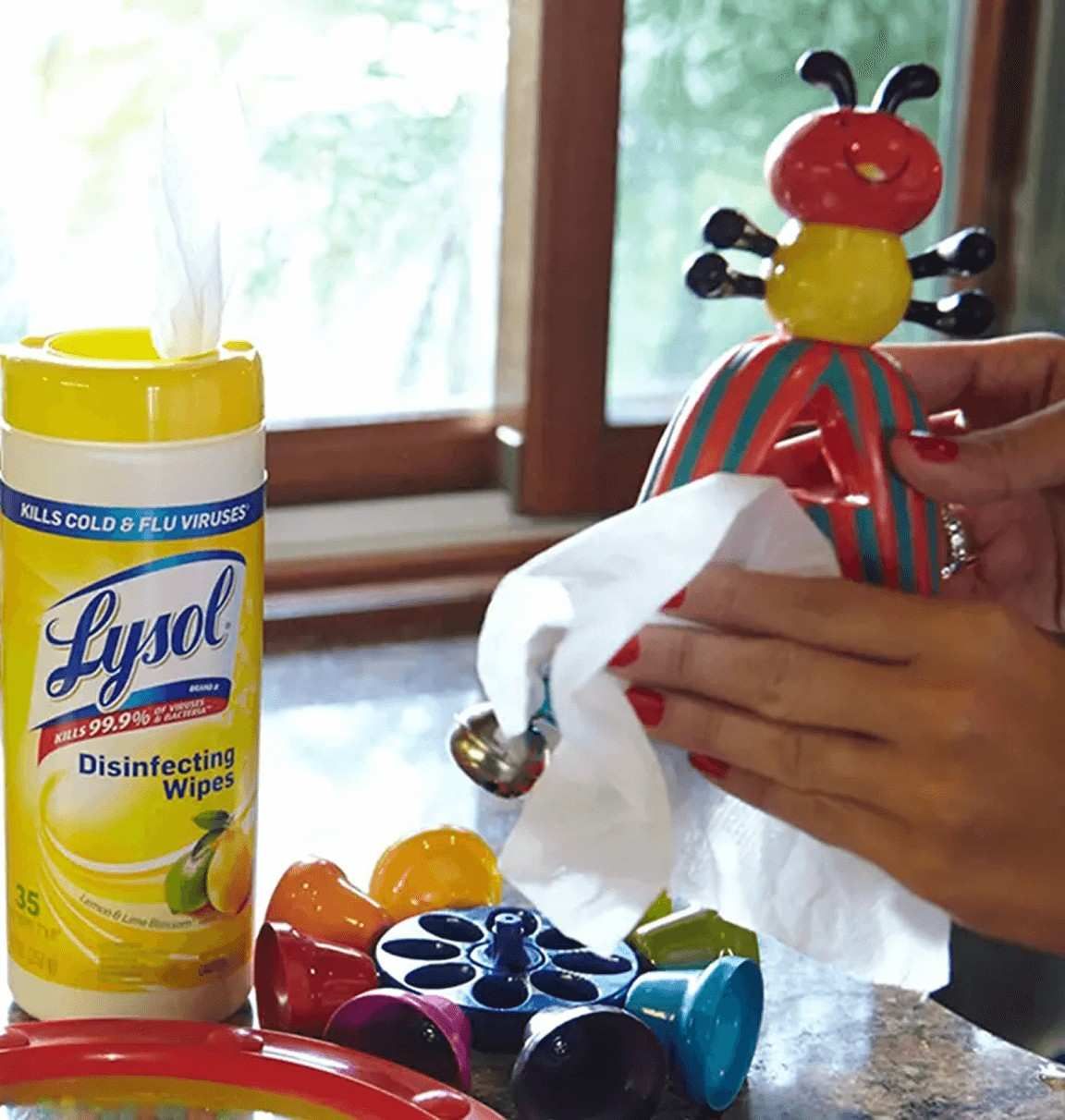
Cleaning baby toys is important to keep your child safe from germs. Lysol wipes are a common choice for quick cleaning. They kill many bacteria and viruses fast. But using them on baby toys needs care. Some wipes have chemicals that may not be safe for babies. Understanding how to clean toys properly helps keep your baby healthy.
Proper Cleaning Steps
First, check the toy’s label for cleaning instructions. Use Lysol wipes only on hard, non-porous surfaces. Wipe the toy thoroughly, covering all areas. Avoid soaking the toy with the wipe. Let the toy sit for a few minutes to kill germs. After wiping, rinse the toy with water if possible. This removes leftover chemicals. For soft toys, washing with soap and water is better.
Drying And Residue Concerns
Dry toys completely before giving them to your baby. Use a clean cloth or air dry in a clean place. Some Lysol wipes leave a chemical smell or residue. This may irritate your baby’s skin or mouth. Rinsing toys after wiping reduces this risk. Always test a small part first to check for any damage. Keeping toys dry and clean helps prevent mold growth too.
Alternatives To Lysol Wipes
Finding safe ways to clean baby toys is important for every parent. Lysol wipes contain chemicals that may not be ideal for babies. Many parents want gentle yet effective options. These alternatives can help keep toys clean without harsh ingredients. Here are some safe and natural choices for cleaning baby toys.
Natural Cleaning Solutions
Vinegar and water make a simple cleaning mix. Use one part vinegar to three parts water in a spray bottle. Spray the toy, then wipe it clean with a soft cloth. Vinegar kills many germs and is safe for babies.
Baking soda also works well to remove stains and odors. Make a paste with baking soda and water. Rub it gently on the toy, then rinse thoroughly. These natural ingredients avoid harsh chemicals.
Baby-safe Disinfectants
Some disinfectants are made specifically for baby products. They kill germs but use gentle ingredients. Look for products labeled as baby-safe or non-toxic.
Always read the label to check if the disinfectant is safe for toys. Rinse toys well after cleaning to remove any residue. This ensures the toys stay safe for your little one to play with.
When To Avoid Lysol Wipes
Knowing when to avoid Lysol wipes on baby toys is very important. These wipes contain chemicals that might not be safe for all toy types. Using them incorrectly can harm the toy or pose risks to your baby’s health. Some toys need special care to keep your child safe and the toy intact.
Toys With Mouth Contact
Baby toys that go into the mouth should not be cleaned with Lysol wipes. The chemicals can leave harmful residues. These residues might cause irritation or sickness when your baby puts the toy in their mouth. Choose soap and water or wipes made for baby toys instead. Always rinse toys well after cleaning to remove any leftover cleaner.
Sensitive Materials
Some toys have soft or delicate materials like fabric, foam, or wood. Lysol wipes can damage these materials, making them lose color, texture, or shape. They can also cause the materials to break down faster. Use gentle cleaning methods like mild soap and a soft cloth for such toys. Check the toy’s label for cleaning instructions before using any product.

Credit: www.whattoexpect.com
Tips For Maintaining Toy Hygiene
Keeping baby toys clean is important for your child’s health. Germs can build up quickly on toys. Simple steps help keep toys safe and clean. These tips make toy hygiene easier and more effective.
Regular Cleaning Schedule
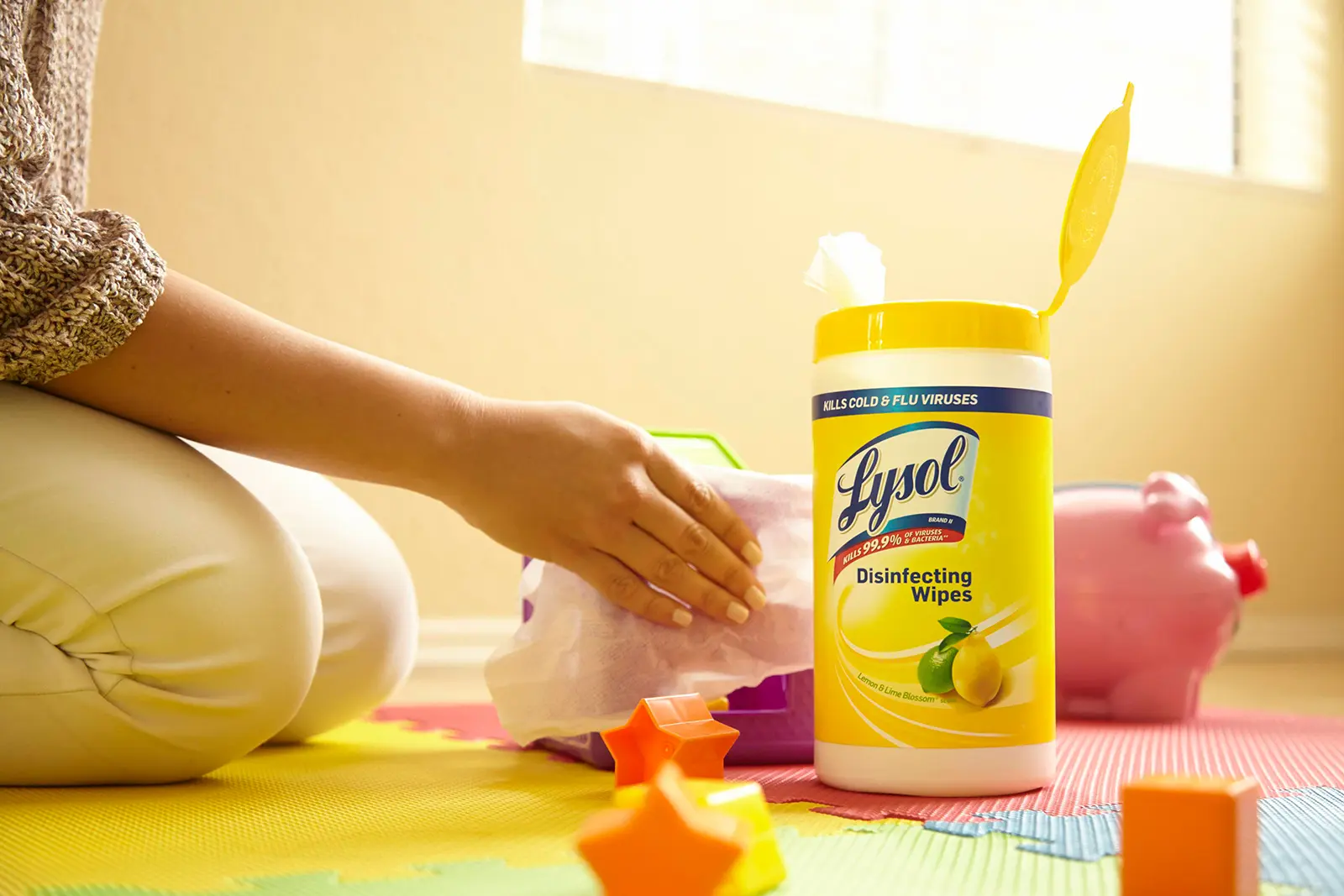
Set a regular time to clean baby toys. Wipe toys with safe disinfectant wipes after use. Wash fabric toys often with mild soap and water. Dry toys completely before giving them back. Cleaning prevents germs from spreading to your baby.
Storage Practices
Store toys in a clean, dry place. Use a closed container to keep dust and dirt out. Avoid storing toys on the floor. Keep toys separate from other household items. Good storage stops toys from getting dirty quickly.
Credit: uat.www.lysol.com
Frequently Asked Questions
Can Lysol Wipes Safely Clean Baby Toys?
Yes, Lysol wipes can safely clean baby toys if used properly. Wipe the toy thoroughly and let it air dry completely before use. Avoid using wipes on toys that babies put in their mouths until fully dry to prevent chemical ingestion.
Are Lysol Wipes Effective Against Germs On Toys?
Lysol wipes are effective at killing common bacteria and viruses on toy surfaces. They help reduce the risk of infections by sanitizing toys regularly. Always follow the product instructions for best results and safety.
Can Lysol Wipes Harm Plastic Baby Toys?
Lysol wipes are generally safe for plastic baby toys but may cause slight discoloration over time. Test on a small area first to ensure no damage. Avoid using on toys with electronic parts to prevent moisture damage.
How Often Should I Clean Baby Toys With Lysol Wipes?
Clean baby toys with Lysol wipes at least once a week or after playdates. Frequent cleaning helps maintain hygiene and reduces germ build-up. Increase cleaning frequency during illness or flu season for extra protection.
Conclusion
Cleaning baby toys with Lysol wipes can be safe if done carefully. Always check the toy’s label for cleaning instructions first. Avoid using wipes on toys that babies put in their mouths often. Wipe toys thoroughly, then let them dry completely before use.
This helps kill germs without leaving harmful residue. Remember, gentle cleaning keeps toys safe and healthy for your child. Simple steps make a big difference in keeping your baby’s playtime clean. Choose safe methods to protect your little one’s health every day.
