
Have you ever wondered if the toys you give your baby could do more harm than good? You want to keep your little one happy and engaged, but too much stimulation might overwhelm their tiny brain.
How do you find the right balance between fun and calm? You’ll discover how certain toys can overstimulate babies and what signs to watch for. By understanding this, you can make smarter choices that support your baby’s healthy development. Keep reading to learn how to create a joyful, stress-free playtime for your child.

Credit: happylittlepeople.co
How Toys Affect Baby’s Senses
Toys play a big role in how babies explore the world. They help babies learn through touch, sight, sound, and movement. Toys can bring joy and discovery, but too many or too bright toys may overwhelm a baby’s senses. Understanding how toys affect baby’s senses helps parents choose the right ones.
Sensory Development In Infants
Babies use their senses to understand their environment. Their brains grow fast by receiving sensory input from toys and surroundings. Touch is one of the first senses to develop. Soft, textured toys help babies feel different surfaces. Bright colors catch a baby’s eye and support vision growth. Sounds, like rattles or music, teach cause and effect. Gentle movement in toys helps babies learn balance and coordination.
Types Of Stimulating Toys
Toys come in many forms to stimulate different senses. Soft blocks and fabric books offer texture for touch. Colorful mobiles and light-up toys engage sight. Toys that make noise, like shakers or bells, excite hearing. Activity gyms with mirrors and hanging toys encourage movement and focus. Toys with multiple senses can be fun but may also overstimulate. Choosing simple toys with one or two features often works best for young babies.
Signs Of Overstimulation In Babies
Babies can get overwhelmed by too many toys or too much activity. Overstimulation happens when their senses get more input than they can handle. Recognizing signs early helps caregivers respond and comfort the baby. These signs show that the baby needs a break and calm time.
Behavioral Indicators
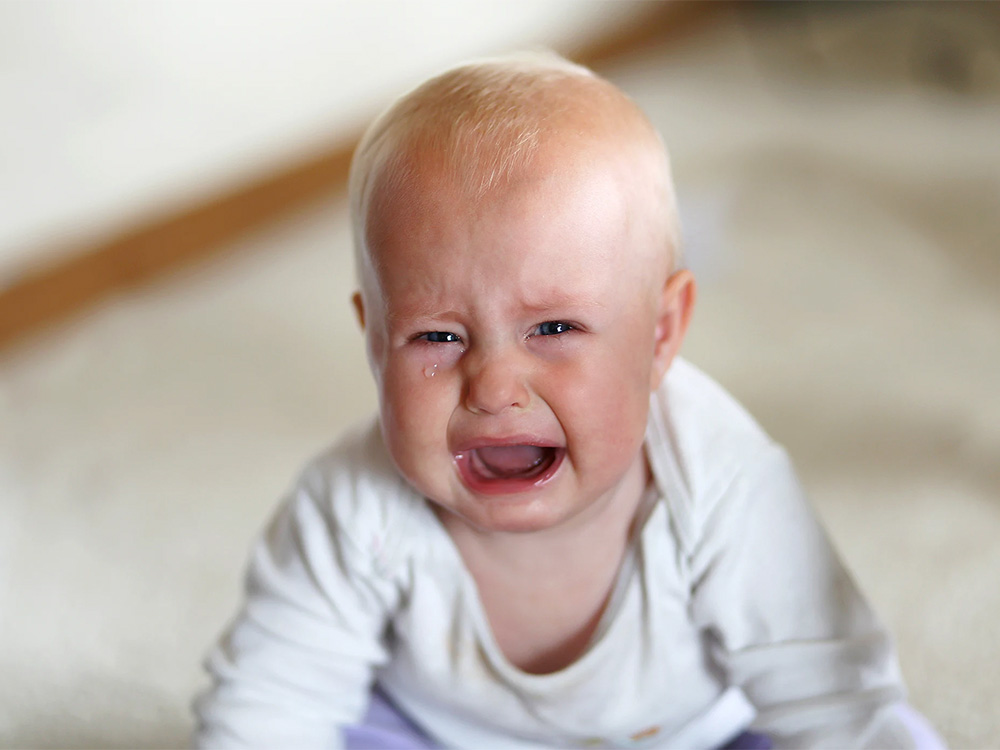
Babies may cry more than usual. They might turn their head away from toys or people. Fussiness and irritability are common. Some babies become quiet and withdrawn. Difficulty focusing on one toy or task also signals stress.
Physical Reactions
Babies can show rapid breathing or yawning. Their hands may clench or fists stay tight. Sometimes, they rub their eyes or ears. Sudden changes in facial expressions can appear. These physical signs tell caregivers the baby feels overwhelmed.
Common Toys That May Overstimulate
Toys help babies learn and explore their world. But some toys can give too much stimulation. This can make babies feel restless or upset. Knowing which toys might overstimulate helps parents choose better options. Here are common toys that may cause overstimulation in babies.
Noisy And Flashy Toys
Toys with loud sounds and bright lights can be too much for babies. These toys often blink, beep, and flash quickly. Babies may find it hard to focus or calm down. The noise can startle them or make them fussy. Bright lights can overwhelm their still-developing eyes. These toys may cause more stress than fun.
Complex Interactive Toys
Some toys have many buttons, colors, and features all at once. Babies might feel confused by too many things happening. These toys often ask for different actions and responses. Babies need time to understand and respond to simple toys first. Complex toys can tire them out and cause frustration. Simple toys with fewer parts are easier for babies to enjoy.
Credit: raisingchildren.net.au
Balancing Playtime And Rest
Balancing playtime and rest is very important for babies. Toys can excite and teach, but too much can tire them out. Babies need quiet moments to relax and grow. Finding the right balance helps their brain and body develop well.
Parents must watch how long babies play and when to stop. Rest helps babies process what they learn during play. A calm environment supports better sleep and less fussiness.
Setting Limits On Toy Usage
Set clear times for playing with toys. Short play sessions prevent babies from feeling overwhelmed. Rotate toys to keep interest without overload. Observe your baby’s mood to know when to pause play. Keep playtime fun but not too long.
Creating Calming Environments
Use soft lights and quiet sounds after playtime. A calm room helps babies relax faster. Remove bright or noisy toys before rest. Use gentle music or white noise to soothe. A peaceful space supports better sleep and recovery.
Tips For Choosing The Right Toys
Choosing the right toys for babies is very important. The right toy helps babies learn and grow. The wrong toy can cause overstimulation. Toys that are too bright or noisy can make babies feel upset. Parents must pick toys carefully to keep playtime fun and safe.
Age-appropriate Options
Babies need toys that match their age and skills. Toys for newborns are soft and simple. They help with basic senses like touch and sight. Older babies enjoy toys that move or make sounds. Picking toys for the right age helps babies learn without stress. Check the toy’s label to find the age range.
Simple Vs. Overstimulating Features
Simple toys have few colors and sounds. They let babies focus and explore slowly. Overstimulating toys have bright lights, loud noises, and many buttons. These can confuse babies and cause fussiness. Choose toys that encourage calm play. Toys with gentle colors and soft sounds work best for young babies.

Credit: www.whattoexpect.com
When To Consult A Pediatrician
Knowing when to consult a pediatrician about toy overstimulation is important. Babies react differently to toys and stimuli. Some signs of distress may need medical advice. Early consultation helps ensure your baby’s well-being. Trusting professional guidance can avoid bigger problems later.
Persistent Overstimulation Signs
Watch for constant crying or fussiness after playtime. Difficulty falling asleep or staying asleep may occur. Your baby might seem unusually irritable or restless. These signs lasting more than a few days need attention. A pediatrician can help identify if toys cause stress.
Developmental Concerns
Delayed milestones can indicate overstimulation effects. Lack of eye contact or reduced response to sounds is a concern. If your baby avoids interaction or has poor focus, seek advice. Pediatricians assess if toys affect learning or growth. Early help supports healthy development and comfort.
Frequently Asked Questions
Can Toys Overstimulate Babies During Playtime?
Yes, toys with bright lights, loud sounds, or too many features can overstimulate babies. This may cause fussiness or difficulty sleeping. Parents should choose age-appropriate toys and limit playtime to avoid overwhelming their baby’s senses.
How To Identify If A Baby Is Overstimulated?
Signs include crying, turning away, yawning, rubbing eyes, or fussiness. Babies may also become irritable or have trouble focusing. Recognizing these signs helps parents reduce stimulation and provide a calm environment for their baby.
Which Toys Are Safest To Prevent Overstimulation?
Simple toys with soft textures, gentle colors, and quiet sounds are safest. Examples include soft stuffed animals, teething rings, and sensory balls. These toys support development without overwhelming a baby’s sensitive senses.
How Long Should Babies Play With Stimulating Toys?
Limit play sessions with stimulating toys to about 10-15 minutes. Short, focused play helps babies enjoy toys without becoming overwhelmed. Breaks allow babies to rest and process sensory input comfortably.
Conclusion
Babies need time to rest and explore quietly. Too many toys can make them feel tired and upset. Choose simple toys that match your baby’s age and interests. Watch how your baby reacts during playtime. Balance is key to happy, healthy growth.
Let your baby enjoy calm moments too. This helps their brain and body develop well. Keep playtime fun and peaceful for best results.
