
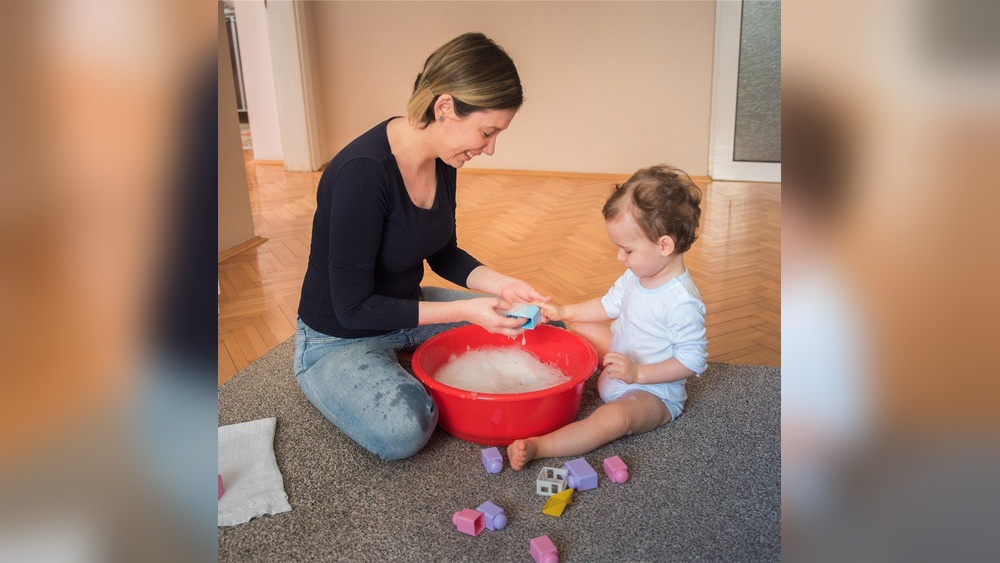
Are you wondering if vinegar is safe to soak your kids’ toys? You want to keep your little ones’ playthings clean without using harsh chemicals.
But is vinegar the right choice? Using the wrong cleaning method could harm your child’s toys or even affect their health. Keep reading to discover the truth about vinegar and how it can help—or hurt—when cleaning your kids’ toys. Your peace of mind and your child’s safety are just a few paragraphs away.
Is Vinegar Safe For Toy Cleaning
Cleaning kids’ toys is important for their health. Many parents wonder if vinegar is safe to use for this task. Vinegar is a natural cleaner that many people trust. Knowing its safety and how it works helps you decide if it suits your needs.
Properties Of Vinegar
Vinegar is a mild acid made from fermented alcohol. It has antibacterial properties that help kill germs. It also dissolves dirt and grime well. Vinegar smells strong but the smell fades quickly. It is non-toxic and safe in small amounts.
Common Uses In Cleaning
Vinegar cleans many surfaces like glass, counters, and floors. It removes stains and neutralizes odors. Many use it to clean kitchen tools and bathroom tiles. Vinegar is also used to soften fabrics and clear clogs. It works without harsh chemicals.
Safety Considerations For Kids
Vinegar is generally safe to clean toys if diluted with water. Avoid using pure vinegar directly on toys. Rinse toys well after soaking to remove vinegar smell. Do not use vinegar on toys with electronic parts. Always test on a small area first to check damage.

Credit: moonkieshop.com
Types Of Toys Suitable For Vinegar Soaking
Vinegar is a natural cleaner that many parents trust for disinfecting toys. Not all toys can be soaked in vinegar safely. Knowing which types of toys suit vinegar soaking helps keep your kids’ items clean and safe. This guide explains which toys you can soak and which ones need different care.
Plastic And Rubber Toys
Plastic and rubber toys are great candidates for vinegar soaking. These materials do not absorb liquids easily. Soaking them in a vinegar solution kills germs and removes dirt effectively. Make sure the toys do not have small openings where liquid can get trapped. Rinse the toys well after soaking to remove any vinegar smell.
Wooden And Fabric Toys
Wooden and fabric toys need special care. Vinegar can damage wood or cause fabric to weaken. Avoid soaking these toys fully in vinegar. Instead, wipe them with a cloth dampened with diluted vinegar. This method cleans without soaking the material. Always dry wooden and fabric toys quickly after cleaning to prevent damage.
Electronic Toys And Restrictions
Electronic toys must never be soaked in vinegar. Liquid can harm the internal parts and ruin the toy. Use a soft cloth lightly dampened with vinegar to clean the surface. Avoid getting any liquid near buttons or openings. For best results, follow the manufacturer’s cleaning instructions for electronic toys.
How To Soak Toys In Vinegar Safely
Soaking kids’ toys in vinegar can clean and disinfect them naturally. It is safe when done correctly. Follow simple steps to protect the toys and your children.
Preparing The Vinegar Solution
Use white distilled vinegar for the best results. Mix one part vinegar with two parts water in a clean container. Avoid stronger vinegar to protect toy materials. Stir the solution gently to blend well. Ensure the container is large enough for the toys.
Soaking Duration And Frequency
Soak toys for 10 to 15 minutes only. Longer soaking may damage some toys. Limit this cleaning to once a week or as needed. Avoid soaking toys with electronic parts or batteries. Check toy labels for any cleaning instructions.
Rinsing And Drying Tips
Rinse toys thoroughly with clean water after soaking. Remove all vinegar residue to avoid smell and irritation. Use a soft cloth to wipe toys if needed. Dry toys completely before giving them back to kids. Air drying under sunlight helps kill germs naturally.
Credit: www.kidkraft.com
Alternatives To Vinegar For Toy Cleaning
Vinegar is a popular choice for cleaning kids’ toys because it is natural and safe. But some parents want other options. Different toys need different cleaning methods. Some materials may not react well to vinegar. Here are some alternatives that work well and keep toys clean and safe.
Soap And Water
Soap and water is the easiest way to clean most toys. Use mild dish soap and warm water. Scrub gently with a soft cloth or sponge. This method removes dirt and germs without harsh chemicals. Rinse toys well and let them air dry. Soap and water suits plastic, rubber, and fabric toys.
Commercial Toy Cleaners
There are many cleaners made just for toys. These products kill germs and are safe for children. They often come in spray or wipe form. Read the label to make sure the cleaner fits your toy’s material. Commercial cleaners save time and work well for quick clean-ups. Choose a product that is non-toxic and free from strong scents.
Natural Disinfectants
Natural disinfectants like hydrogen peroxide or tea tree oil can clean toys too. Use a diluted solution to avoid damage. These options kill bacteria without chemicals. They are good for parents who want natural but stronger cleaning than vinegar. Test a small area first to check for any reaction. Natural disinfectants work well on plastic and hard surfaces.
Precautions And Tips For Parents
Using vinegar to clean kids’ toys is a safe and natural choice. Still, parents should take some precautions. These tips help keep your child safe and toys in good condition. Simple steps make the process easy and effective.
Avoiding Allergic Reactions
Some children may have skin sensitivity or allergies to vinegar. Test a small part of the toy first. Watch for any redness or irritation on your child’s skin. Use diluted vinegar to reduce the chance of a reaction. Stop using vinegar if your child shows signs of discomfort.
Handling Sensitive Materials
Vinegar can damage certain toy materials like wood, fabric, or electronics. Avoid soaking toys with batteries or electrical parts. For delicate toys, wipe them gently with a vinegar solution. Always check the toy’s label for cleaning instructions. Use vinegar only on hard, non-porous surfaces.
Storage And Maintenance
After cleaning, dry toys completely before storing them. Moisture can cause mold or bad smells. Store toys in a dry, cool place away from direct sunlight. Clean toys regularly to keep germs away. Proper care extends the life of your child’s toys.

Credit: www.amazon.com
Frequently Asked Questions
Can Vinegar Safely Clean Kids’ Toys?
Yes, vinegar is a safe, natural cleaner for many kids’ toys. It effectively removes germs without harsh chemicals. Avoid vinegar on porous or electronic toys as it may cause damage.
How Long Should I Soak Toys In Vinegar?
Soak toys in a vinegar solution for 10 to 15 minutes. This duration helps disinfect effectively without damaging most plastic or rubber toys.
Can Vinegar Remove Mold From Children’s Toys?
Yes, vinegar can kill mold on non-porous toys. Use full-strength white vinegar and scrub gently. Rinse well and dry thoroughly to prevent mold return.
Is Vinegar Better Than Bleach For Toy Cleaning?
Vinegar is safer and less toxic than bleach for cleaning toys. It’s gentle, eco-friendly, and effective against many germs but not all bacteria that bleach kills.
Conclusion
Vinegar can be a safe choice to clean many kids’ toys. It kills germs without harsh chemicals. Always rinse toys well after soaking. Avoid vinegar on delicate or electronic toys. Try a small test first to check for damage. Regular cleaning helps keep children healthy and happy.
Simple solutions like vinegar work well at home. Clean toys often to reduce dirt and bacteria. Keep your child’s play area safe and fresh.
