
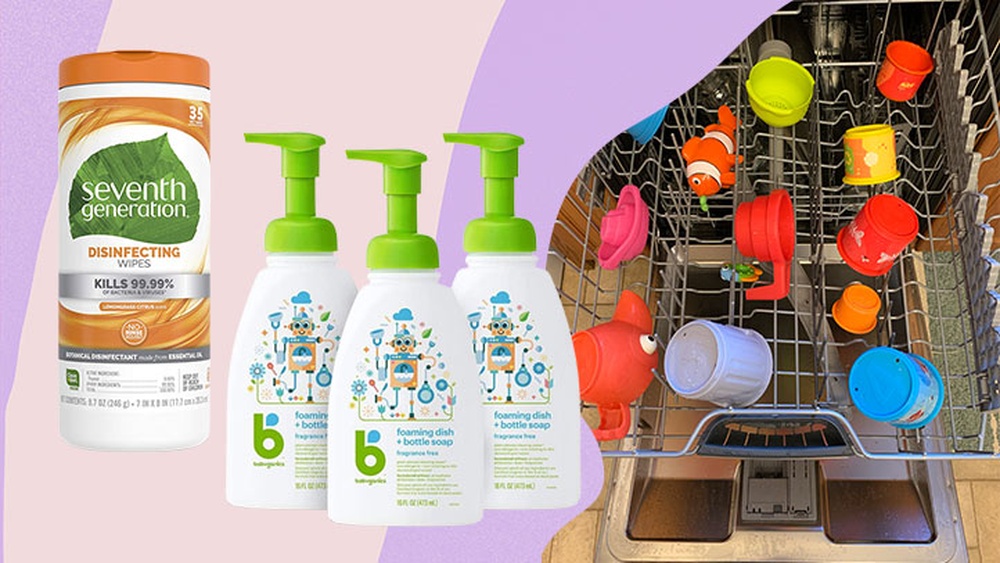
You want to keep your baby’s toys clean and safe, but are you sure about the best way to do it? If you’ve ever wondered, “Can I use baby wipes to clean baby toys?” you’re not alone.
It sounds convenient and quick, but is it really safe and effective for your little one’s favorite playthings? You’ll discover the truth about baby wipes and toy cleaning. By the end, you’ll know exactly what works best to keep your baby’s toys fresh, germ-free, and ready for endless playtime.
Keep reading to make the right choice for your baby’s health and happiness.
Baby Wipes And Toy Cleaning
Baby wipes are a popular choice for quick cleaning. They are soft and easy to use. Many parents wonder if these wipes can clean baby toys safely. Toys often collect dirt and germs. Cleaning them helps keep babies healthy.
Using baby wipes can be convenient. But it is important to know what is in the wipes. Also, different toys need different cleaning methods. Understanding these factors helps keep toys clean and safe.
Ingredients In Baby Wipes
Baby wipes contain water and mild cleaners. They usually have gentle ingredients like aloe or vitamin E. Some wipes include small amounts of preservatives. These stop bacteria from growing in the package.
Fragrances or alcohol are sometimes added. Alcohol can dry out plastic or rubber toys. Fragrances might irritate sensitive skin. Always check the label before using wipes on toys.
Types Of Baby Toys
Toys come in many materials. Plastic, rubber, wood, and fabric are common types. Hard plastic toys are easy to wipe clean. Rubber toys need gentle cleaning to avoid damage.
Fabric toys need special care. Baby wipes may not remove all dirt or germs on fabric. Washing with soap and water is better for soft toys. Knowing the toy type helps choose the best cleaning method.
Safety Considerations
Cleaning baby toys is important to keep your little one safe. Choosing the right cleaning method matters a lot. Baby wipes are easy to use but need careful thought. Some wipes contain chemicals that might harm your baby. This section explains the safety points to consider before using baby wipes on toys.
Toxicity Risks
Baby wipes may have ingredients that can be toxic. Chemicals like alcohol or fragrances can irritate or harm your baby. Some toys might absorb these chemicals. Babies often put toys in their mouths. This makes exposure to toxic substances risky. Always check the label of baby wipes. Avoid wipes with harsh chemicals for toy cleaning.
Allergic Reactions
Some babies have sensitive skin or allergies. Ingredients in wipes can cause redness, rash, or swelling. Even mild fragrances or preservatives can trigger allergies. Watch for any signs of irritation after cleaning toys. Test wipes on a small toy area first. Choose hypoallergenic wipes to reduce allergy risks. Keeping toys safe means thinking about your baby’s health first.
Effectiveness Of Baby Wipes
Baby wipes are a popular choice for quick cleaning tasks. Many parents wonder if these wipes can clean baby toys effectively. Understanding how well baby wipes work helps keep toys safe and clean for little ones.
Removing Dirt And Germs
Baby wipes can remove dirt from toys easily. They contain mild cleaning agents that lift grime off surfaces. These wipes also reduce some germs on toys. The moist texture helps pick up dust and sticky spots. For quick clean-ups, baby wipes offer a simple solution.
Limitations Of Baby Wipes
Baby wipes do not kill all bacteria and viruses. They are not as strong as disinfectants. Wipes may leave residue on some toy materials. Avoid using them on porous or electronic toys. For a deeper clean, washing toys with soap and water is better.

Credit: www.amazon.com
Alternatives For Cleaning Toys
Cleaning baby toys is important to keep your child safe from germs and dirt. Baby wipes may seem easy to use, but there are better ways to clean toys. These alternatives remove dirt and kill bacteria without harsh chemicals. They are safe and effective for all types of toys.
Soap And Water
Soap and water is a simple, natural way to clean toys. Use warm water and a mild soap. Gently scrub the toy with a soft cloth or sponge. Rinse well to remove all soap. Let the toy air dry completely before giving it back to your baby.
This method works well for most plastic and rubber toys. It removes dirt, saliva, and sticky residues easily. Soap and water is safe and gentle on toys and skin.
Disinfectant Solutions
Disinfectant solutions kill germs and bacteria on toys. Use a baby-safe disinfectant made for children’s items. Always read the label to check if it is safe for toys. Spray or wipe the toy with the solution. Let it sit for the recommended time.
After disinfecting, rinse the toy with water. Dry it completely before use. Avoid harsh chemicals that can harm babies or damage toys. Disinfectants are good for toys that need extra cleaning, such as those shared by many children.
Best Practices For Toy Cleaning
Keeping baby toys clean is very important for your child’s health. Proper cleaning removes germs and dirt that toys collect. Using baby wipes can be helpful, but it is best to follow certain steps. These steps make sure toys are safe and last longer. Let’s explore some best practices for toy cleaning.
Frequency Of Cleaning
Clean toys often, especially those your baby puts in their mouth. Daily cleaning works well for frequently used toys. For toys used less often, clean once a week. If your baby is sick, clean toys more often. Regular cleaning reduces the risk of infections and keeps toys fresh.
Drying And Storage Tips
After cleaning, dry toys completely to stop mold growth. Use a clean towel or air dry in a sunny spot. Avoid storing damp toys in closed containers. Keep toys in a dry, clean place to prevent germs. Proper drying and storage help toys stay safe for your baby.
:max_bytes(150000):strip_icc()/how-to-clean-baby-toys-3255899-04-c5b7f95c17af484282e821044af9ec99.jpg)
Credit: kdfoundation.org

Credit: www.clorox.com
Frequently Asked Questions
Can Baby Wipes Safely Clean All Types Of Baby Toys?
Baby wipes can clean many baby toys, especially plastic or rubber ones. Avoid using wipes on fabric or electronic toys, as moisture may damage them. Always check the toy’s material and manufacturer’s cleaning guidelines before using wipes for cleaning.
Are Baby Wipes Effective Against Germs On Toys?
Yes, baby wipes can remove dirt and some germs from toys. However, they may not kill all bacteria or viruses. For thorough disinfection, use wipes with antibacterial properties or follow up with a toy-safe disinfectant recommended by health experts.
Can Baby Wipes Cause Allergic Reactions On Toys?
Some baby wipes contain fragrances or chemicals that may cause allergies. If your baby has sensitive skin, choose fragrance-free and hypoallergenic wipes. Always test wipes on a small toy area first to ensure no allergic reaction occurs.
How Often Should I Clean Baby Toys With Wipes?
Cleaning frequency depends on toy usage and exposure. For frequently handled toys, wipe them at least once a day. For less-used toys, cleaning once a week is usually enough to keep them hygienic and safe for babies.
Conclusion
Baby wipes can clean toys safely if used carefully. Choose wipes without harsh chemicals or fragrances. Gently wipe the toy’s surface to remove dirt and germs. Avoid using wipes on electronic or porous toys. Always check the toy’s cleaning instructions first.
Let toys dry completely before giving them back to your baby. Clean toys often to keep your baby healthy and happy. Simple steps make toy cleaning easy and safe. Trust your judgment and keep your baby’s playtime clean.
