
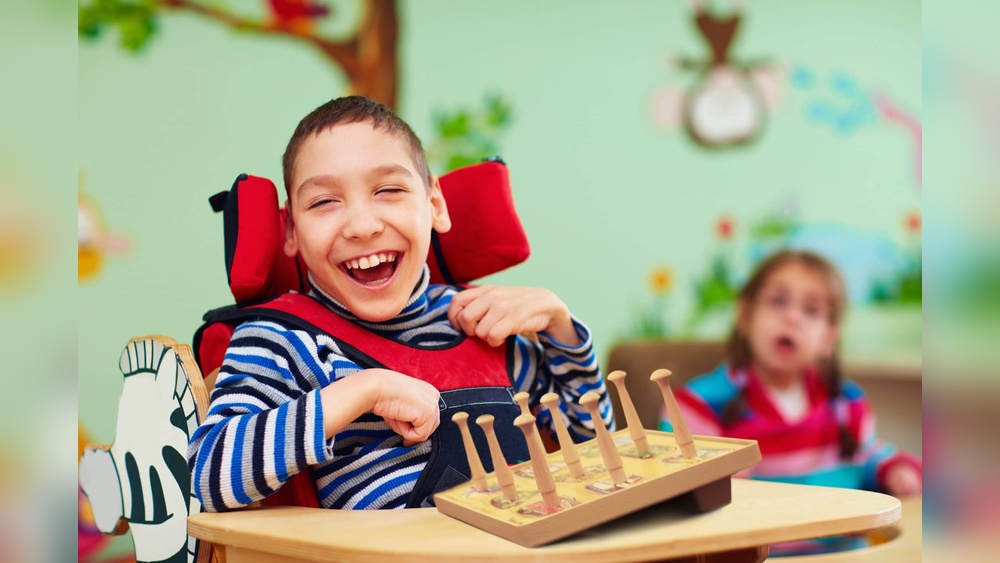
Have you ever wondered if children with cerebral palsy can enjoy playing with toys just like other kids? You might be asking yourself what types of toys are best or how playtime can support their growth and happiness.
The truth is, play is not only possible but incredibly important for kids with cerebral palsy. You’ll discover how the right toys can make a big difference in your child’s development and joy. Keep reading to learn practical tips and ideas that will help your child explore, learn, and have fun in ways you might not have imagined.
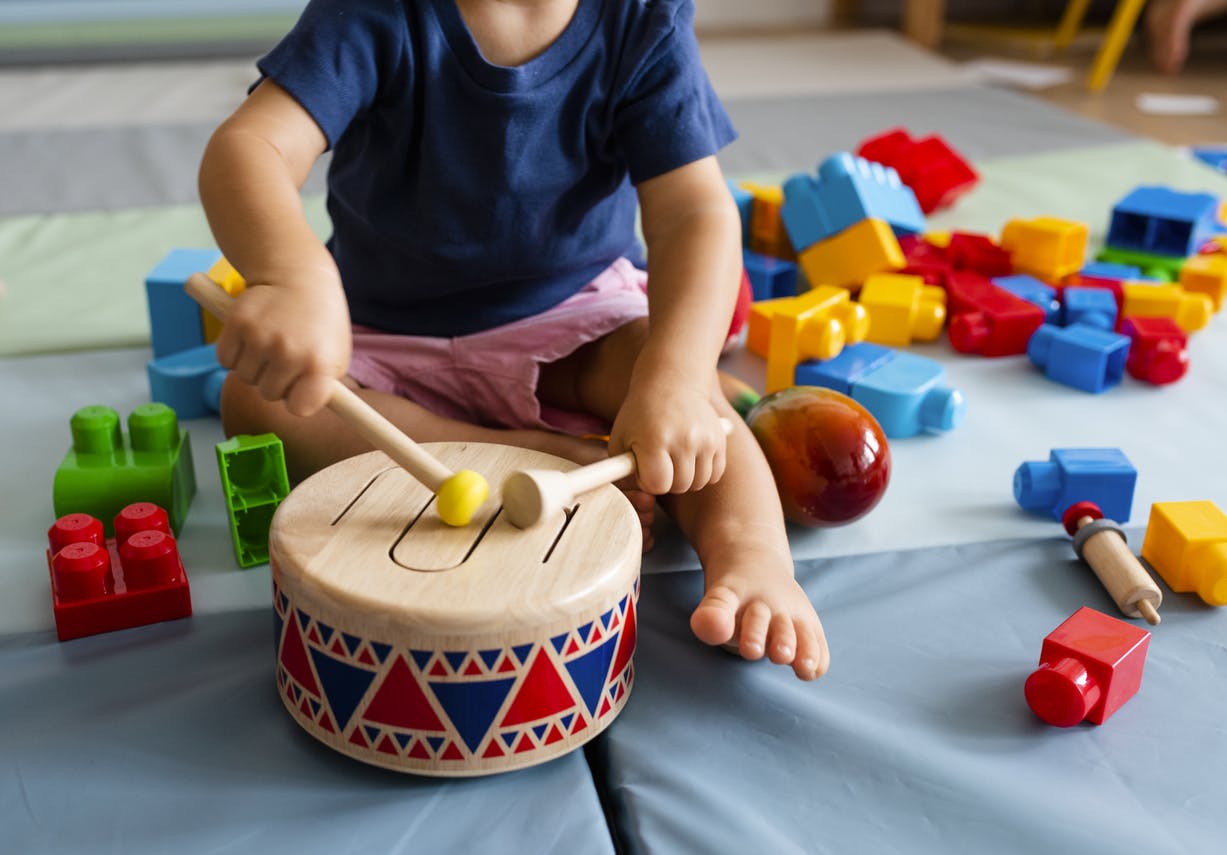
Credit: www.flintrehab.com
Benefits Of Play For Kids With Cerebral Palsy
Play is very important for children with cerebral palsy. It helps them learn and grow in many ways. Toys can support their abilities and make daily life easier. Playing also brings joy and confidence to kids who face physical challenges.
Through play, children with cerebral palsy can improve skills needed for their future. It offers chances to try new movements and think creatively. Play creates moments of fun, learning, and social connection.
Physical Development
Toys encourage movement and strengthen muscles. Simple actions like holding or pushing toys improve hand coordination. Play can help with balance and control. It supports motor skills important for daily activities. Gentle exercise through play reduces stiffness and builds endurance.
Cognitive Growth
Playing with toys develops thinking and problem-solving skills. Sorting shapes or stacking blocks boosts brain power. Toys teach cause and effect, helping children understand the world. Play also improves attention and memory. It fosters curiosity and imagination.
Emotional Well-being
Play offers comfort and reduces stress. It allows kids to express feelings safely. Success in play builds self-esteem and pride. Fun activities create happiness and reduce frustration. Playtime gives a break from therapy and routines.
Social Skills
Toys encourage interaction with family and friends. Children learn sharing and taking turns. Play helps develop communication skills, both verbal and non-verbal. It fosters teamwork and patience. Social play builds friendships and a sense of belonging.
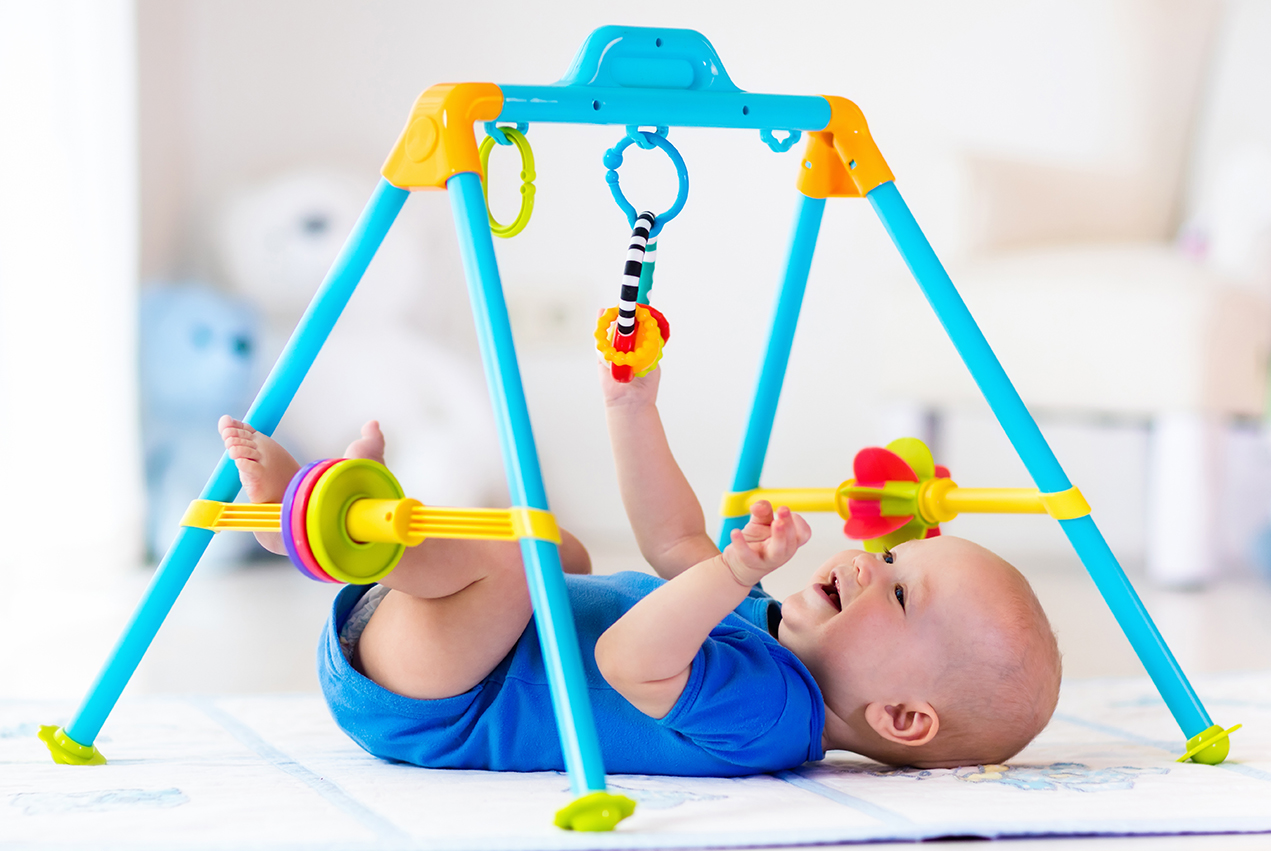
Credit: hscnews.usc.edu
Choosing The Right Toys
Choosing the right toys for children with cerebral palsy can make playtime fun and safe. The right toys help build skills and encourage creativity. They also support physical and sensory development. Parents and caregivers should consider toys that match the child’s abilities and interests. This helps the child enjoy play without frustration.
Sensory-friendly Options
Sensory-friendly toys offer gentle stimulation for touch, sight, and sound. Soft textures and bright colors attract attention without overwhelming the child. Toys that make soft noises or have simple lights engage senses calmly. These toys help children explore the world safely and comfortably. They improve focus and reduce stress during play.
Adaptive Toys
Adaptive toys are designed to fit the needs of children with different abilities. These toys may have larger buttons or easier grips. Some can be used with one hand or limited movement. They support motor skills and independence in play. Adaptive toys allow kids to play with less help from adults.
Safety Considerations
Safety is very important when choosing toys for children with cerebral palsy. Toys should be free from sharp edges and small parts. Avoid toys that are too heavy or hard to hold. Check that materials are non-toxic and easy to clean. Safe toys protect children and create a worry-free playtime.
Encouraging Independent Play
Encouraging independent play helps children with cerebral palsy build skills and confidence. It allows them to explore and enjoy toys at their own pace. Independence in play supports their growth and creativity. It also gives them a sense of achievement and joy.
Creating Accessible Play Spaces
Make play areas easy to reach and safe. Use low shelves and wide spaces for movement. Clear clutter to avoid accidents and stress. Soft mats or cushions can add comfort. Bright colors and simple layouts help focus and interest.
Using Assistive Devices
Assistive tools make playing easier and more fun. Adapted toys with larger buttons or grips work well. Switches or mounts help control toys for limited movement. Simple tools encourage interaction without frustration. These devices support learning and enjoyment.
Fostering Confidence
Celebrate small successes and effort during play. Offer praise and gentle guidance to build trust. Let children choose toys they like the most. Encourage trying new activities at their own speed. Confidence grows with positive and patient support.
Interactive Play Ideas
Interactive play helps children with cerebral palsy learn and grow. Playing with toys boosts their skills and confidence. It also makes learning fun and exciting. Different play ideas suit various abilities and interests. Here are some interactive play ideas to try.
Group Activities
Group activities encourage social skills and teamwork. Simple games like passing a ball or building blocks work well. These activities help children practice sharing and taking turns. Using colorful, easy-to-handle toys keeps kids interested. Group play also helps children feel part of a team.
Parent-child Play
Parent-child play strengthens bonds and trust. Choose toys that respond to touch or sound for more fun. Parents can guide children through simple puzzles or stacking games. This type of play supports language and motor skill development. It creates a safe space for learning and exploring.
Therapeutic Games
Therapeutic games target specific skills like hand movement or balance. Toys like sensory balls or textured blocks provide useful feedback. Therapists and parents can use these games during sessions or at home. These games help improve coordination and focus. They make therapy enjoyable and less stressful.
Modifying Toys For Better Engagement
Modifying toys helps children with cerebral palsy enjoy playtime more. Toys adapted to their needs support skill development and fun. Adjustments can make toys easier to hold, push, or activate. These changes boost confidence and encourage independent play. Play becomes a chance to learn and explore safely.
Simple Diy Adaptations
Basic changes can improve toy use instantly. Adding foam grips helps little hands hold toys better. Velcro strips keep parts together or attach toys to wheelchairs. Using rubber bands or tape can fix loose pieces quickly. These easy tweaks make toys more accessible and enjoyable.
Technology-enhanced Toys
Electronic toys offer sounds, lights, and movement that attract attention. Switch-activated toys respond to simple presses, ideal for limited hand control. Tablets with special apps develop communication and motor skills. Voice-controlled devices allow play without needing to push buttons. Technology can open new ways to interact and learn.
Customizing For Individual Needs
Every child with cerebral palsy has unique abilities and challenges. Tailoring toys to these needs increases engagement and success. Adjust size, weight, or texture based on what feels best. Choose colors and shapes that interest the child most. Testing and observing help find the best fit for each player.
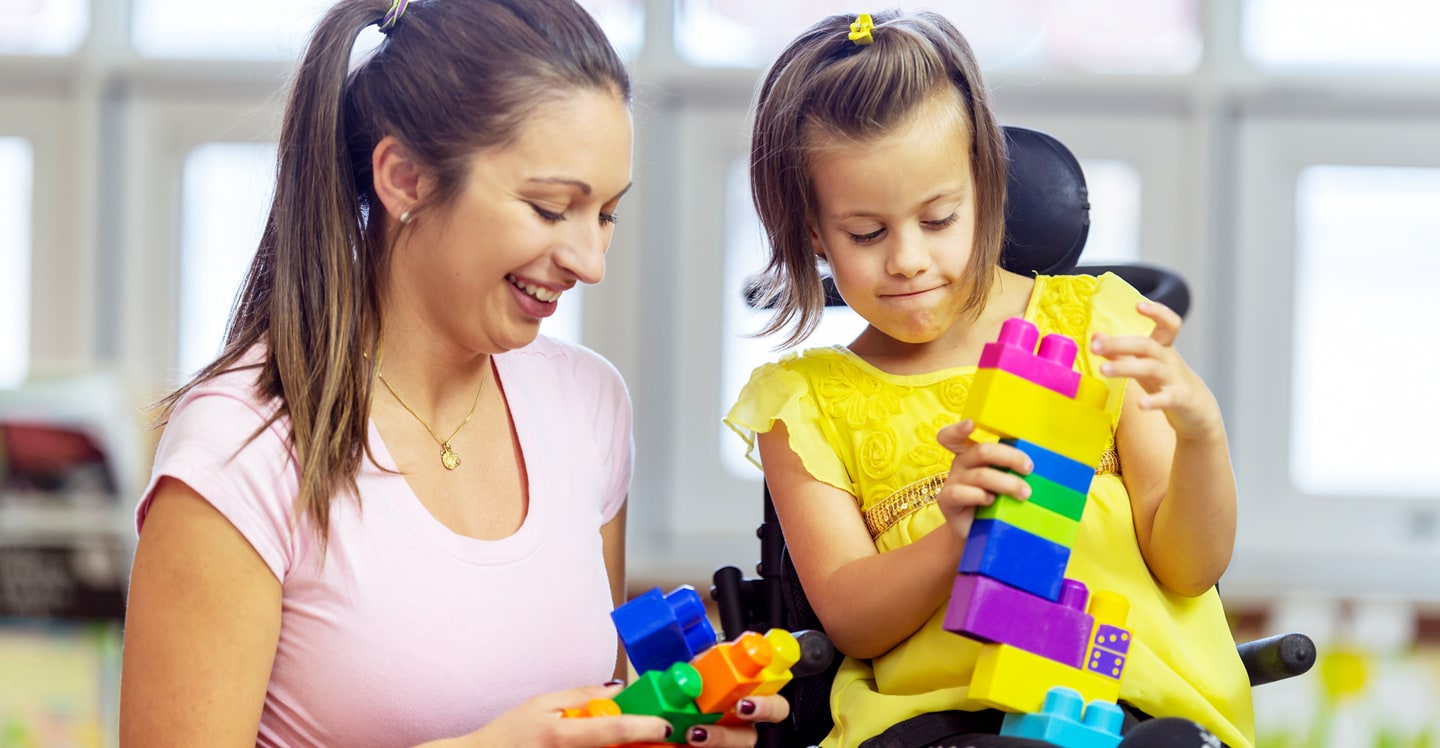
Credit: www.choa.org
Resources For Families And Caregivers
Families and caregivers play a key role in helping children with cerebral palsy enjoy toys. They need good resources to support their journey. These resources offer advice, comfort, and practical tips. They help caregivers understand how to choose and use toys that suit each child’s needs.
Having access to the right support makes a big difference. It builds confidence and brings hope. Here are some useful resources for families and caregivers of children with cerebral palsy.
Support Groups
Support groups connect families facing similar challenges. They provide a safe place to share stories and advice. Families learn from each other’s experiences. These groups offer emotional support and helpful tips on selecting toys and activities. Many groups meet online or in person. Joining one reduces feelings of isolation and builds a strong community.
Professional Guidance
Doctors, therapists, and special educators guide families on toy choices. They suggest toys that improve motor skills and sensory development. Professionals help tailor playtime to fit each child’s abilities. Regular check-ins with experts ensure that activities remain safe and beneficial. Their advice can boost a child’s progress and enjoyment.
Educational Materials
Books, videos, and websites offer practical advice about toys and play. These materials explain how toys help with growth and learning. They include tips on adapting toys for easier use. Clear guides help families understand different types of toys. Educational resources empower caregivers to create fun, meaningful play experiences.
Frequently Asked Questions
Can Children With Cerebral Palsy Safely Play With Toys?
Yes, children with cerebral palsy can safely play with toys. Choosing age-appropriate and adaptive toys ensures safety and engagement. Supervision and tailored play improve motor skills and enjoyment for these kids.
What Types Of Toys Are Best For Cerebral Palsy Kids?
Toys that promote fine motor skills, sensory development, and hand-eye coordination work best. Adaptive toys, puzzles, textured balls, and interactive gadgets help enhance physical and cognitive abilities.
How Do Toys Benefit Kids With Cerebral Palsy?
Toys encourage physical movement, stimulate senses, and foster creativity. They improve muscle strength, coordination, and social skills, supporting overall development in children with cerebral palsy.
Should Toys Be Customized For Cerebral Palsy Children?
Yes, customized toys meet specific needs and abilities. Adaptive designs provide easier grip, control, and interaction, making playtime more accessible and enjoyable for cerebral palsy kids.
Conclusion
Children with cerebral palsy can enjoy playing with toys. Play helps develop skills and brings joy. Choosing the right toys makes play easier and more fun. Simple toys with bright colors and easy grips work well. Caregivers and therapists can guide which toys suit each child best.
Play encourages learning, creativity, and social interaction. Every child deserves time to play and explore. Toys open doors to new experiences and smiles. Let children with cerebral palsy play and grow happily.
