
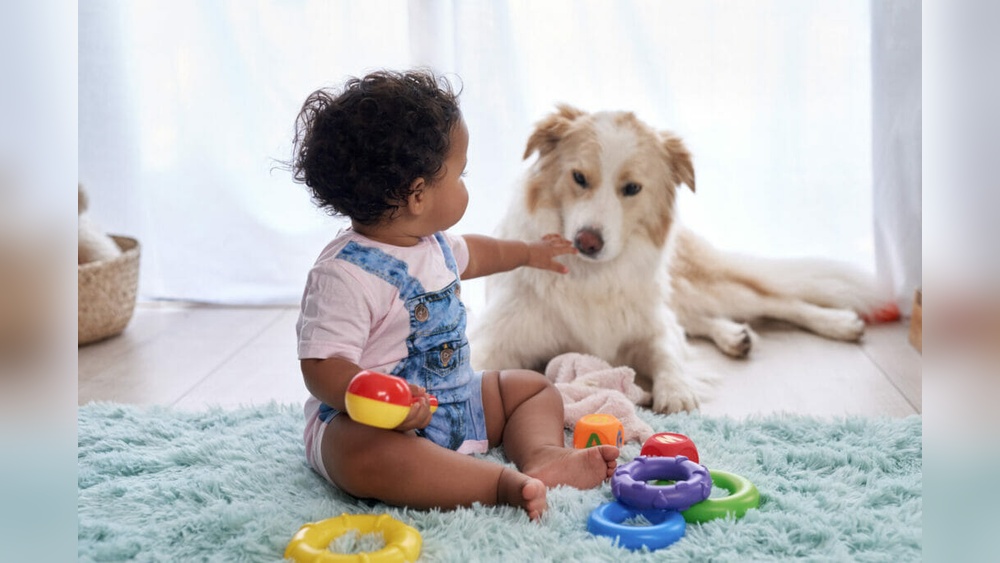
Are you wondering if your baby can safely play with dog toys? It’s a question many parents ask when they see their little one reaching for Fido’s favorite chew or squeaky toy.
You want the best for your child, but you’re also curious if those toys might pose any risks or actually be a fun, safe option. Keep reading, because understanding the do’s and don’ts of baby playtime with dog toys could save you from worry and help you create a happier, safer environment for your baby to explore.
Let’s dive into what you need to know right now.
Risks Of Baby Using Dog Toys
Babies and dog toys are not a safe mix. Dog toys are made for chewing, not for babies to play with. They can cause serious dangers for little ones. Understanding these risks helps keep babies safe.
Choking Hazards
Dog toys often have small parts. These parts can break off easily. Babies might put these pieces in their mouths. This can cause choking or block their airways. Always choose toys made for babies, not dogs.
Toxic Materials
Dog toys can contain harmful chemicals. These materials are safe for dogs but not for babies. Babies tend to chew and suck on toys a lot. Toxic substances can enter their bodies this way. Avoid using dog toys to prevent poisoning.
Size And Shape Concerns
Many dog toys are too big or too small for babies. Small toys fit into a baby’s mouth dangerously. Large toys can cause injury if dropped. Some shapes are sharp or rough. Babies need soft, safe toys made for them.
Differences Between Baby And Dog Toys
Babies and dogs both love toys, but their toys differ a lot. These differences keep babies safe and help dogs enjoy playtime. Understanding these differences is important before letting babies play with dog toys.
Material Safety Standards
Baby toys follow strict safety rules. They use non-toxic materials that babies can chew without harm. Dog toys may contain stronger chemicals or dyes that can be unsafe for babies. Materials for dog toys focus more on durability than safety for mouthing.
Design And Durability
Baby toys are soft and gentle to avoid injuries. They have smooth edges and no small parts that babies can swallow. Dog toys are often harder and tougher to survive chewing. They can have parts that break off, creating choking hazards for babies.
Cleaning And Hygiene
Baby toys are easy to clean and sanitize often. This helps keep germs away and protects baby’s health. Dog toys may be harder to clean and can hold bacteria. Sharing toys between dogs and babies increases the risk of infections.
Safe Alternatives For Babies
Babies need toys that are safe and suitable for their age. Dog toys may not meet these needs. They can have small parts or materials not safe for babies. Choosing safe alternatives helps protect babies from choking or allergies.
Approved Baby Toys
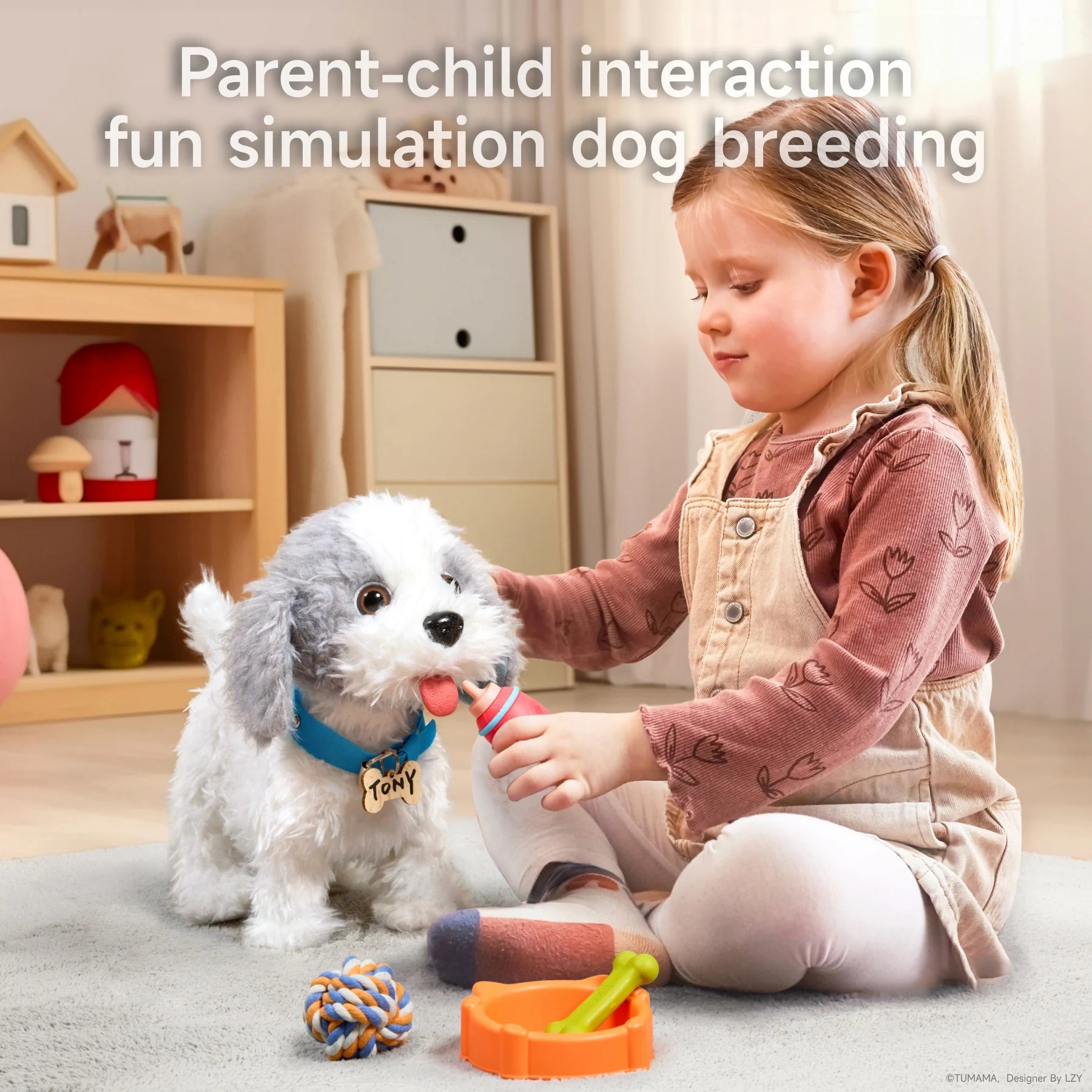
Approved baby toys follow strict safety rules. They are made from non-toxic materials. These toys have no small parts that babies can swallow. Look for toys labeled safe for babies under three years old. Soft blocks, rattles, and plush toys are good choices.
Teething Toys
Teething toys help soothe sore gums. They are made from safe, chewable materials. Some have textures that massage the gums. Choose teething toys without harmful chemicals like BPA or phthalates. Keep them clean to avoid germs.
Diy Safe Toys
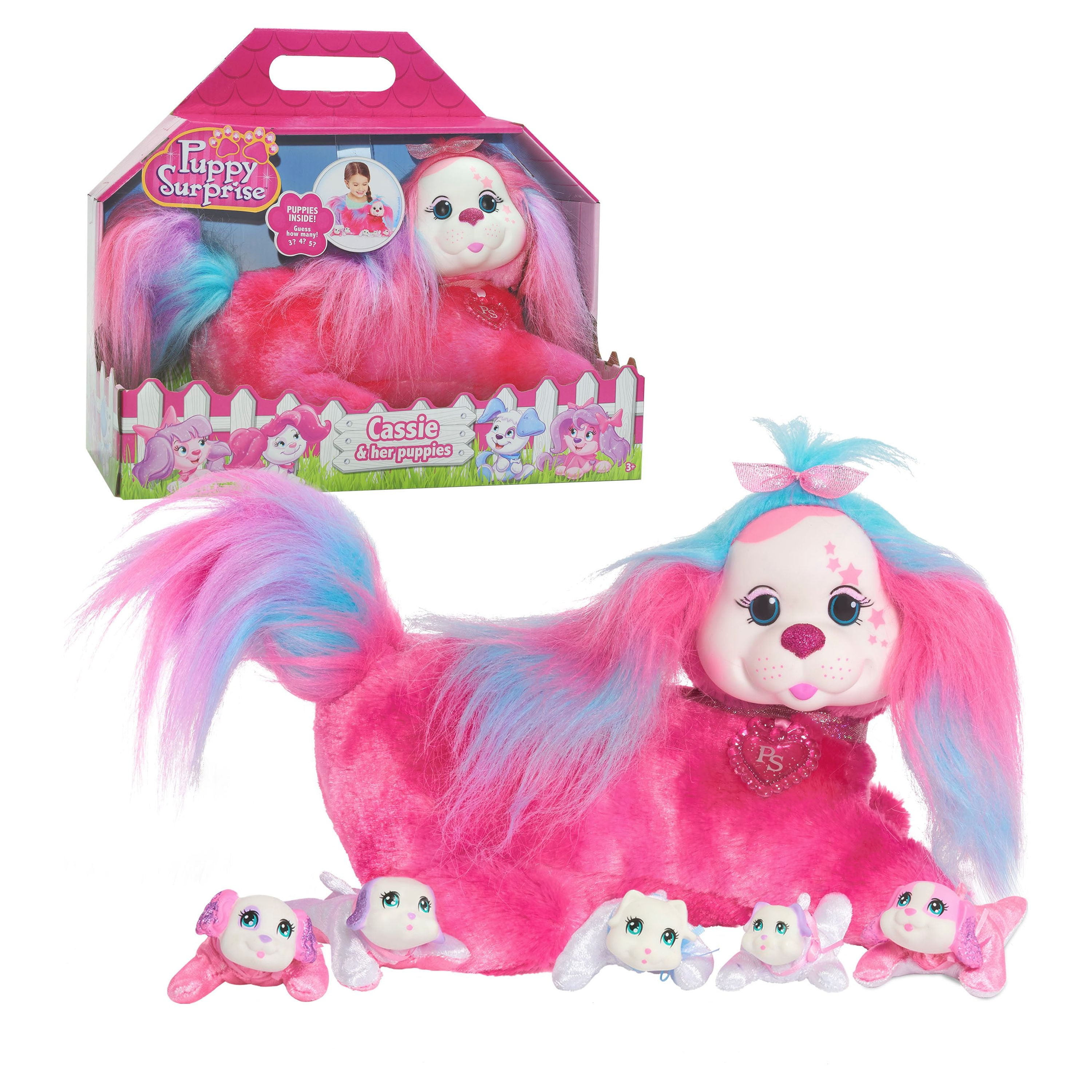
Making your own toys can be fun and safe. Use clean, soft cloth or sponges without loose parts. Large wooden spoons or silicone kitchen tools can work well. Always check for sharp edges or loose pieces before giving toys to babies.
Credit: www.walmart.com
Supervision And Hygiene Tips
Babies are curious and love to explore new things with their hands and mouths. Dog toys can seem interesting to them because of the different shapes and textures. Supervision and hygiene are very important to keep babies safe when they play with dog toys. Proper cleaning and careful watching can reduce risks.
Cleaning Dog Toys Before Use
Clean dog toys thoroughly before giving them to your baby. Use warm water and mild soap to wash off dirt and germs. Rinse the toys well to remove all soap. Let the toys dry completely before letting your baby play with them. This step helps avoid bacteria and keeps the toys safe.
Monitoring Baby Playtime
Always watch your baby while they play with dog toys. Never leave them alone with these toys. Babies can choke on small parts or chew pieces off. Stay close to stop any accidents quickly. Keep an eye on how your baby interacts with the toy to ensure safe play.
Avoiding Cross-contamination
Do not let dog toys mix with your baby’s toys. Keep them in separate places to avoid germs spreading. Wash your hands before and after handling dog toys. Clean dog toys regularly, especially if your dog uses them often. These steps help protect your baby from harmful bacteria.
When To Consult A Pediatrician
Babies and dog toys might seem like a fun mix, but safety is key. Parents should watch for signs that need a doctor’s advice. Knowing when to consult a pediatrician helps protect your baby’s health. This section explains important signs to watch for around dog toys.
Signs Of Allergic Reactions
Some babies may be allergic to materials in dog toys. Look for redness, swelling, or rash on the skin. Itching or fussiness can also signal an allergy. Breathing problems, like wheezing or coughing, need urgent care. Always check your baby’s skin and breathing after play.
Accidental Ingestion
Small parts of dog toys can break off and pose a choking risk. If your baby swallows a piece, watch for coughing or gagging. Vomiting or stomach pain also requires immediate medical attention. Never ignore signs of choking or unusual behavior after playtime.
Behavioral Concerns
Babies may develop unsafe habits with dog toys. If your baby bites hard or throws toys aggressively, this can be dangerous. Sudden changes in mood or sleep after playing with dog toys deserve a doctor’s check. Early advice can help avoid accidents or stress.
Credit: tumama-kids.com

Credit: www.amazon.com
Frequently Asked Questions
Can Babies Safely Play With Dog Toys?
No, babies should not play with dog toys. Dog toys may contain harmful materials and small parts that can cause choking or injury. Always provide age-appropriate toys designed specifically for babies to ensure their safety and development.
What Are The Risks Of Babies Playing With Dog Toys?
Dog toys can pose choking hazards, contain toxic substances, and harbor bacteria. Babies might chew on parts that break easily. These risks make dog toys unsafe for infants. Supervised play with baby-safe toys is essential to avoid health issues.
Are Any Dog Toys Suitable For Babies?
Generally, dog toys are not suitable for babies. Baby toys meet strict safety standards that dog toys do not. Some soft, large, and non-toxic dog toys might be safe under close supervision, but it’s best to choose toys designed for infants.
How To Choose Safe Toys For Babies Around Dogs?
Select baby toys made from non-toxic, BPA-free materials. Avoid small parts or detachable pieces. Keep dog toys separate and clean. Always supervise babies during playtime to prevent accidental ingestion or injury from dog toys.
Conclusion
Babies and dog toys are not a safe mix. Dog toys may have small parts or chemicals. Babies can choke or get sick from them. Choose toys made just for babies instead. Always watch your baby while they play. Safety and cleanliness matter most for little ones.
Keep baby’s playtime fun and worry-free. Remember, baby toys are designed for their needs. Stay careful and enjoy watching your baby explore.
