
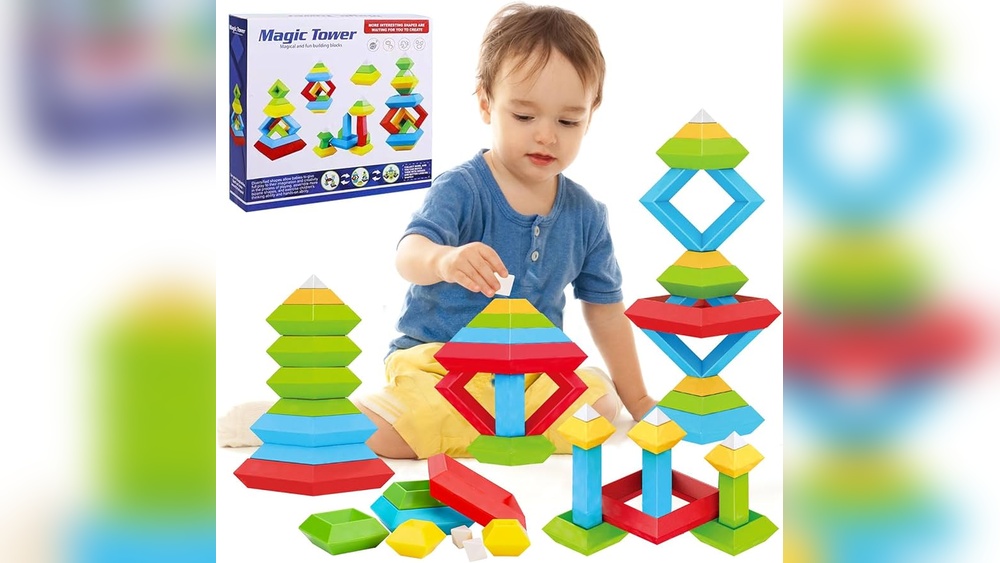
Have you ever wondered if your baby can safely play with toys that are 30 years old? It’s a question many parents ask when they find cherished toys passed down through generations.
These toys hold memories and charm, but are they safe and suitable for your little one today? Keep reading to discover what you need to know before handing those vintage treasures to your baby—and how to make sure playtime stays fun and worry-free.
Old Toys And Baby Safety
Old toys carry memories and charm but bring safety questions for babies. Toys made decades ago differ from today’s designs and materials. Safety standards have improved a lot since then.
Checking old toys carefully helps protect babies from hidden risks. Understanding materials and common dangers is key before letting babies play.
Materials Used In Vintage Toys
Many vintage toys use wood, metal, or early plastics. Paint may contain lead or other harmful substances. Fabrics might not meet today’s safety rules. These materials can cause allergies or poisoning if chewed or sucked.
Common Safety Concerns
Old toys often have small parts that can break off. Sharp edges and points are more common than in new toys. Toxic paints and finishes may still be present. Loose parts and poor assembly increase choking hazards.
Checking For Wear And Damage
Look closely for cracks, chips, or rust on the toy. Test if parts move or fall off easily. Smell for unusual odors that suggest chemicals. Clean old toys thoroughly but avoid harsh chemicals. Only keep toys in excellent condition for babies.
Credit: thetoyinsider.com
Health Risks To Consider
Old toys may seem charming, but they can carry hidden dangers. Toys made decades ago might not meet today’s safety rules. Babies are very sensitive to chemicals and small parts. Understanding the health risks helps protect your child from harm.
Toxic Substances In Old Toys
Toys from 30 years ago may contain harmful chemicals. Lead paint was common before strict laws. This paint can cause serious health problems for babies. Plastics in old toys might have BPA or phthalates. These substances can affect a child’s growth and brain. Always check for toxic materials before giving old toys to babies.
Choking Hazards
Small parts can break off old toys easily. Babies put everything in their mouths. Tiny pieces can block airways and cause choking. Buttons, beads, and loose parts are risky. Toys may also have worn or damaged parts. Inspect toys carefully to avoid choking dangers.
Allergy Triggers
Old toys can collect dust, mold, or pet hair. These can trigger allergies or breathing problems in babies. Some materials may cause skin irritation or rashes. Soft toys and stuffed animals are common carriers of allergens. Clean old toys thoroughly before use to reduce allergy risks.
Evaluating Toy Suitability
Evaluating toy suitability is important before letting babies play. Old toys may not meet current safety standards. Checking their features helps protect your child. Focus on three key areas: age, size, and function.
Age Appropriateness
Toys must match a baby’s developmental stage. Some toys from 30 years ago were made for older kids. Babies need soft, simple toys without small parts. Always check labels or descriptions. Avoid toys that are too complex or hard.
Size And Shape Factors
Small pieces can cause choking hazards. Toys should be large enough to prevent swallowing. Smooth edges reduce risk of cuts or scrapes. Round shapes are safer than sharp corners. Inspect old toys carefully for damage or wear.
Functionality And Mechanisms
Moving parts must work safely and smoothly. Avoid toys with loose or broken pieces. Springs and buttons should not pinch or trap fingers. Battery compartments need secure covers. Test all functions before giving toys to babies.
Cleaning And Disinfecting Tips
Old toys can carry dust, germs, and dirt that may harm babies. Cleaning and disinfecting these toys is important before letting your baby play. Proper cleaning makes toys safe and extends their life. Here are simple tips to clean old toys without damage.
Safe Cleaning Methods
Use warm water and mild soap for most toys. Avoid harsh chemicals that can harm babies. Soft cloths or sponges work well to wipe surfaces gently. For fabric toys, check if they can be washed in a machine. Toys with batteries need special care; remove batteries before cleaning.
Avoiding Damage During Cleaning
Do not soak toys for too long to prevent damage. Avoid scrubbing hard on paint or decals. Dry toys thoroughly to stop mold and rust. Test cleaning products on a small spot first. Keep water away from electrical parts to avoid damage.
Frequency Of Cleaning
Clean toys before first use, especially if old. Wash toys regularly if your baby plays daily. Clean toys after outdoor play or if visibly dirty. Disinfect toys weekly to reduce germs. Regular cleaning keeps toys safe and fresh for babies.
Benefits Of Using Vintage Toys
Vintage toys offer unique benefits for babies and young children. These toys often inspire creativity and learning in ways modern toys may not. They bring a special charm that makes playtime more meaningful. Using vintage toys can create lasting memories for the whole family.
Encouraging Imaginative Play
Old toys often lack screens or batteries. This encourages children to use their imagination more. A simple wooden block or a classic doll can become many things in a child’s mind. Imaginative play helps develop problem-solving and social skills. Vintage toys invite children to invent stories and scenarios freely.
Durability And Craftsmanship
Many vintage toys are made from wood, metal, or high-quality plastic. These materials last longer than many modern toys. They survive rough play and can be passed down through generations. The strong build means babies can explore safely. Well-crafted toys also look attractive and timeless.
Nostalgia And Family Bonding
Using toys from past decades connects children with their family history. Parents and grandparents can share stories about the toys they played with. This creates special moments and strengthens family bonds. Nostalgia adds emotional value to playtime. It helps children feel part of a larger story.

Credit: blog.lovevery.com
Alternatives To 30-year-old Toys
Old toys may hold charm but safety is key for babies. Toys made decades ago might not meet today’s safety rules. Parents want fun toys without risks. Many safe, modern toys mimic the look and feel of vintage ones. These alternatives offer playtime joy with peace of mind.
Modern Toys With Vintage Designs
Toy makers create new toys that look like old favorites. These toys use safe materials and modern safety standards. Babies enjoy classic shapes and colors without danger. Parents find comfort in blending past and present styles. These toys often have simple features that encourage creativity and learning.
Eco-friendly And Safe Options
Many toys now come from natural, non-toxic materials. Wood, organic cotton, and plant-based plastics are common choices. These toys are gentle on babies’ skin and the earth. They break less easily and do not contain harmful chemicals. Choosing eco-friendly toys supports health and the planet.
Diy Toy Ideas
Making toys at home can be fun and safe. Simple materials like fabric scraps, paper, and wood work well. Parents can create soft blocks, rattles, or sensory bottles. DIY toys are free from unknown chemicals and personalized. Crafting toys also helps parents bond with their babies.
Expert Recommendations
Experts offer clear advice on whether babies can safely play with 30-year-old toys. Their guidance helps parents decide which toys are suitable. Safety is the top concern. Experts focus on health risks and toy conditions. Understanding their recommendations keeps babies safe and happy.
Pediatrician Advice
Pediatricians warn about old toys that may have worn parts. Small pieces can break off and cause choking. Some old toys contain harmful materials like lead paint. Doctors suggest inspecting toys carefully before use. They recommend choosing toys made for a baby’s age group. Cleanliness is essential to prevent infections from old toys.
Toy Safety Certifications
Certified toys meet strict safety rules. Look for labels like ASTM or EN71 on toy packaging. These marks show toys passed tests for harmful chemicals and choking hazards. Old toys often lack these certifications. Experts advise using only certified toys for babies. This reduces the risk of accidents and health problems.
When To Avoid Old Toys
Discard toys with cracks, rust, or missing parts. Avoid toys with sharp edges or loose buttons. Toys made before modern safety standards may be unsafe. Avoid toys with toxic paint or materials. Experts warn against toys that cannot be cleaned properly. These factors increase health risks for babies.

Credit: www.amazon.com
Frequently Asked Questions
Are 30-year-old Toys Safe For Babies To Play With?
Not all 30-year-old toys are safe for babies. Check for small parts, lead paint, and wear. Always inspect toys carefully before giving them to babies to avoid choking hazards or toxic exposure.
How To Clean Vintage Toys Before Baby Play?
Clean vintage toys with mild soap and warm water. Avoid harsh chemicals that can damage the toy or harm the baby. Ensure toys are completely dry before giving them to your baby to prevent mold or bacteria.
Can Old Toys Cause Allergies In Babies?
Old toys can harbor dust, mold, or allergens. These may trigger allergies or respiratory issues in babies. Clean and disinfect toys properly before use, and monitor your baby’s reaction during play.
What Materials In Old Toys Are Harmful To Babies?
Toys made from lead paint, PVC, or brittle plastics can be harmful. These materials may release toxins or break into small pieces. Always research the toy’s material and age safety standards before use.
Conclusion
Old toys can be fun but need careful checking first. Safety is the top priority for babies. Small parts or worn materials may cause harm. Clean toys well before letting babies play with them. Choose toys that match your baby’s age and skills.
Sometimes, new toys offer better safety features. Mixing old and new toys can create a nice balance. Trust your instincts and keep your baby safe and happy.
