
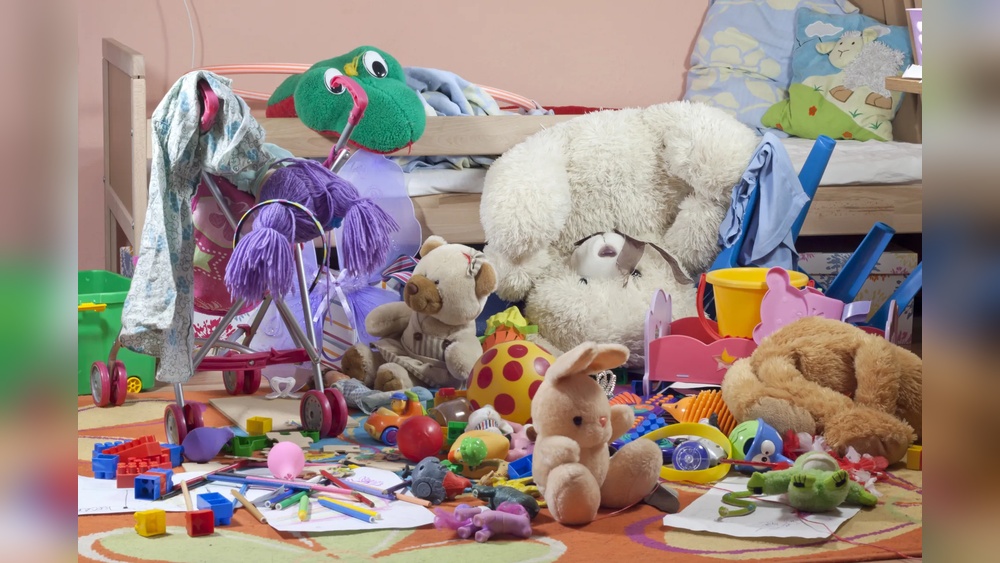
Have you ever stopped to wonder if your child has too many toys? It’s easy to think that more toys mean more fun, but could having too many actually cause problems?
You might notice your child feels overwhelmed, loses interest quickly, or struggles to keep their space tidy. This isn’t just about clutter—it can affect their focus, creativity, and even happiness. Keep reading to discover why less can be more when it comes to toys, and how you can find the right balance for your family.
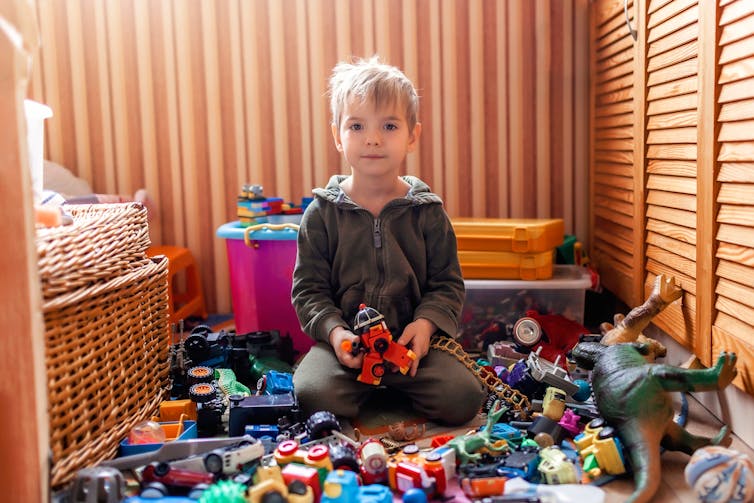
Credit: theconversation.com
The Impact Of Excess Toys
Toys bring joy and learning to children. Yet, too many toys can cause problems. A crowded play area may confuse kids. This can affect their growth and feelings.
Understanding how excess toys impact a child helps parents make better choices. It also creates a healthy play environment.
Effects On Child Development
Too many toys can slow down skill building. Children might jump from one toy to another quickly. This stops them from focusing deeply. Focus is key for learning and creativity. Without it, children miss chances to explore fully.
Emotional Consequences
Excess toys can lead to frustration and stress. Kids may feel overwhelmed by choices. This can cause mood swings and sadness. It also weakens their ability to value what they have. Fewer toys often lead to greater happiness.
Cognitive Overload
Having many toys can overload a child’s brain. Too many options create confusion. Children find it hard to decide what to play with. This overload limits their thinking and problem-solving skills. A simple toy collection supports clearer thinking.
Behavioral Changes Linked To Too Many Toys
Having too many toys can affect a child’s behavior in several ways. It may seem fun at first, but an overload of toys can cause problems. These problems often show up in how a child pays attention, handles emotions, and uses their imagination.
Attention Span Challenges
Children with too many toys often find it hard to focus. Their attention jumps from one toy to another quickly. This can make it difficult to finish any single activity. A short attention span can affect learning and play.
Increased Frustration And Tantrums
When faced with many choices, kids can feel overwhelmed. This can lead to frustration and more frequent tantrums. They may cry or get angry easily. The constant switching from toy to toy can make them restless.
Reduced Creativity
Having too many toys can limit a child’s creativity. Ready-made toys often tell children what to do. This leaves less room for imagination and original play. Fewer toys can encourage kids to invent their own games and stories.
Parental Perspectives And Challenges
Parents often face real challenges with too many toys at home. Toys can bring joy but also create clutter and stress. Understanding these challenges helps parents find better ways to manage toys. It also helps keep children happy without overwhelming the family space.
Managing Toy Clutter
Toy clutter can quickly take over rooms. Parents struggle to keep play areas tidy. Organizing toys by type or size helps. Using bins and shelves makes cleanup easier. Regularly sorting out broken or unused toys reduces mess. A clean space helps children focus better and enjoy playtime.
Balancing Gift-giving
Gift-giving is a joy and a challenge. Parents want to make children happy with many toys. But too many gifts can lead to waste and clutter. Setting clear gift guidelines with family members helps. Choosing quality over quantity creates more meaningful play. Teaching children to appreciate fewer, special toys builds gratitude.
Setting Limits Effectively
Setting limits on toys helps control clutter and spending. Parents can involve children in choosing favorites to keep. Clear rules about new toys help maintain balance. Saying no to extra toys is tough but important. Consistent limits teach children about value and sharing. Limits create a calm home and happier kids.

Credit: movethemess.com
Benefits Of Fewer Toys
Having fewer toys can bring many good things to a child’s life. It helps children focus better and use their minds more. With less clutter, kids can enjoy their playtime more fully.
Parents also find it easier to manage fewer toys. This creates a calm and happy home environment. Let’s explore how fewer toys benefit children in different ways.
Encouraging Imaginative Play
With fewer toys, children use their imagination more. They mix different toys and create new stories. This kind of play helps develop creativity and problem-solving skills. Kids learn to think outside the box and enjoy their own ideas.
Promoting Sharing And Social Skills
Less toys mean kids share more with friends and siblings. Sharing teaches kindness and cooperation. Playing together helps children build strong social skills. They learn to communicate, take turns, and work as a team.
Simplifying Cleanup And Organization
Fewer toys make cleaning up faster and easier. Children spend less time sorting and more time playing. Keeping toys organized teaches responsibility and good habits. A tidy space helps children feel calm and focused.
Strategies To Control Toy Overload
Toys bring joy and learning to children. Too many toys can cause clutter and stress. Controlling toy overload helps keep a tidy and happy home. It also teaches kids to value what they have. Simple strategies work well to manage toy collections.
Rotating Toys Regularly
Keep only a few toys out at a time. Store the rest in boxes or bins. Every few weeks, swap some toys for new ones. This keeps playtime fresh and exciting. Kids enjoy discovering toys they forgot about. Rotation reduces mess and overstimulation.
Involving Kids In Decluttering
Invite children to choose toys to keep or donate. Explain the benefits of sharing with others. Make it a positive and fun activity. Teach decision-making and responsibility. Decluttering together builds respect for belongings. It also helps kids feel in control.
Choosing Quality Over Quantity
Select toys that last long and encourage creativity. Avoid buying many cheap, short-lived items. Quality toys offer better play value and safety. They often grow with the child’s skills. Investing in fewer, meaningful toys creates a richer play experience.

Credit: www.todaysparent.com
Frequently Asked Questions
Can Too Many Toys Affect A Child’s Development?
Yes, excessive toys can overwhelm children and reduce creativity. Fewer toys encourage focus, imagination, and better problem-solving skills, promoting healthy development.
How Can Too Many Toys Impact A Child’s Behavior?
Too many toys may cause distraction, frustration, and difficulty sharing. It can lead to impatience and decreased attention span, impacting positive behavior.
What Are Signs A Child Has Too Many Toys?
Signs include cluttered play areas, lost interest in toys, frequent boredom, and difficulty choosing what to play with. These indicate toy overload.
How Do Too Many Toys Affect Family Space?
Excess toys create clutter, reducing living space and increasing stress for families. Organized, minimal toys improve home environment and family harmony.
Conclusion
Too many toys can overwhelm a child and reduce their focus. Kids may lose interest quickly when surrounded by excess stuff. A smaller collection helps them value each toy more. It encourages creativity and teaches sharing and care. Parents should choose quality over quantity for better playtime.
Balance is key to a happy and healthy childhood. Remember, less can often mean more fun and growth.
