
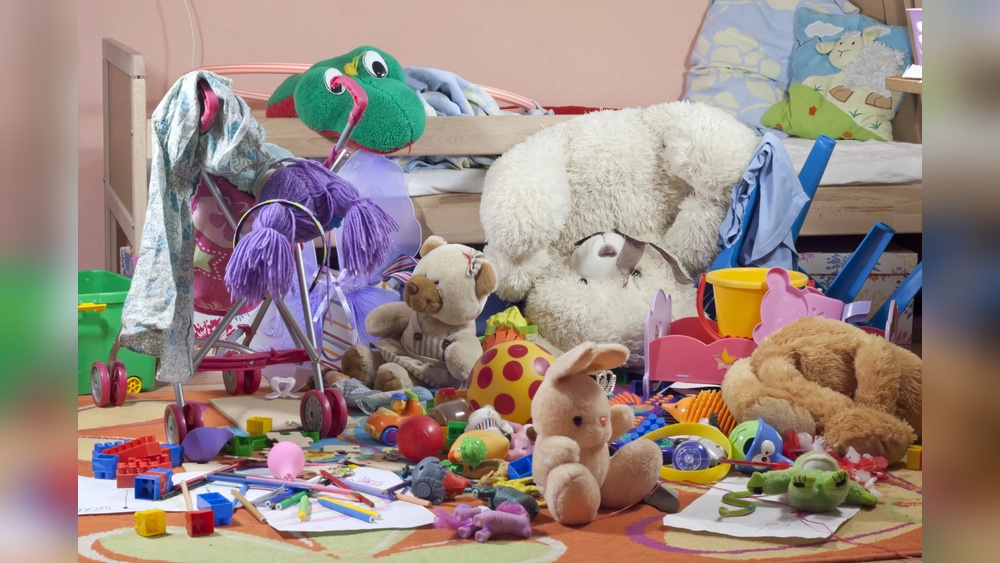
Have you ever looked around your child’s playroom and wondered, “Can a kid have too many toys?” It’s a question that might seem simple, but the answer could surprise you. Too many toys can overwhelm your child, distract their focus, and even affect their creativity.
But how do you know when the number of toys stops being fun and starts causing problems? Keep reading to discover why less might actually be more for your child’s happiness and development—and how you can make the best choices for your family.
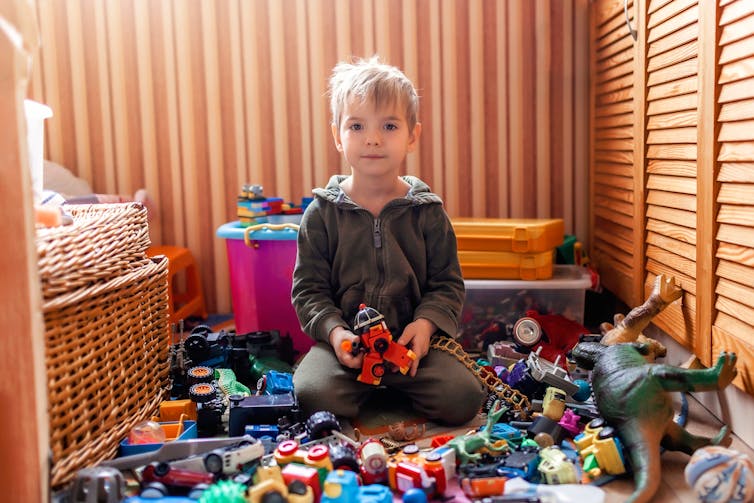
Credit: theconversation.com
The Impact Of Excess Toys
Too many toys can affect a child in many ways. It is not just about clutter or mess. The amount of toys impacts how a child thinks and feels. Understanding these effects helps parents make better choices for their kids.
Effects On Attention Span
Having too many toys can make it hard for a child to focus. They jump from one toy to another without finishing play. This constant switching lowers their attention span. Kids learn to stick with one thing less often. Their brain gets used to quick changes and loses patience.
Influence On Creativity
When children have fewer toys, they use their imagination more. Too many toys give ready-made ideas and solutions. This can stop a child from thinking creatively. They rely on the toy’s features instead of creating new stories or games. A simple toy often encourages more creative play than a complex one.
Emotional Consequences
Excess toys can cause emotional issues in children. They may feel overwhelmed by choices and unable to decide. This can lead to frustration and stress. Too many toys also reduce the value of each toy. Kids might not feel happy or thankful for what they have. Learning to appreciate fewer things helps build better emotions.

Credit: movethemess.com
Behavioral Changes Linked To Toy Overload
Having too many toys can change how a child behaves. Too many choices can confuse and overwhelm kids. This overload can affect their mood and how they interact with others. Understanding these behavioral changes helps parents guide their children better.
Increased Frustration Levels
Children with many toys often feel frustrated quickly. They want to play with everything but cannot focus on one. This leads to stress and impatience. Frustration builds when kids can’t decide or finish playing. This affects their mood and makes them upset more often.
Difficulty In Sharing And Socializing
Toys can become a source of conflict among kids. When children have many toys, they may struggle to share. They feel possessive and don’t want to lend their toys. This behavior makes social play harder. Kids miss chances to build friendships and teamwork skills.
Dependency On Material Items
Too many toys can make kids rely on objects for happiness. They may believe toys bring joy, not activities or people. This dependence limits creativity and imagination. Children might find it hard to enjoy simple play or nature. Learning to play with less is an important skill.
Benefits Of Minimalist Toy Collections
Minimalist toy collections offer many benefits for children’s growth. Having fewer toys helps kids focus better on each item. It also encourages creativity and learning through play. Parents can save space and reduce clutter at home. Kids learn to enjoy what they have without always needing new toys.
Choosing quality over quantity makes playtime more meaningful. A small set of toys invites children to use their imagination more. This can lead to better skills and happier play experiences.
Encouraging Imaginative Play
Few toys give children room to create stories and ideas. Without too many options, kids think deeper about how to use each toy. They learn to imagine new worlds and roles. This kind of play builds creativity and helps the brain grow. Toys become tools for storytelling and problem-solving.
Fostering Problem-solving Skills
Minimal toys challenge children to find different ways to play. They learn to solve problems by trying new ideas. Kids use toys in many ways, not just one. This helps develop flexible thinking and independence. It also teaches patience and persistence during play.
Promoting Focus And Patience
Having fewer toys helps children concentrate on one activity. They spend more time exploring and enjoying each toy. This practice improves attention span and patience. Kids learn to wait and think carefully before moving on. Such skills are important for school and daily life.
Parental Strategies For Managing Toy Quantity
Managing the number of toys in a child’s space helps create a calm and organized home. Parents can use smart strategies to control toy clutter. These methods keep playtime fun and teach kids about order and responsibility. Below are some practical ways to handle too many toys.
Setting Limits And Boundaries
Set clear rules about how many toys a child can keep. Use containers or shelves with limited space. When the space is full, old toys must go before new ones arrive. This teaches kids about limits and making choices. Boundaries help prevent overwhelming mess and stress.
Rotating Toys Effectively
Keep only some toys accessible at a time. Store the rest out of sight. Every few weeks, swap the toys with stored ones. This keeps playtime fresh and exciting. Rotation reduces clutter and helps children appreciate their toys more.
Involving Kids In Decluttering
Ask children to help choose toys to keep or donate. This makes them part of the decision process. It teaches kindness by giving toys to others. Kids learn to let go and value what they have. Decluttering together builds good habits and respect for belongings.
Choosing Quality Over Quantity
Choosing quality over quantity in toys can shape a child’s growth. A few well-chosen toys often bring more joy and learning than many cheap ones. Quality toys last longer and offer better learning chances. They help children focus and use their imagination more.
Selecting Educational Toys
Educational toys boost a child’s skills and knowledge. They teach numbers, letters, and problem-solving in fun ways. These toys make learning feel like play. Kids stay interested and curious with the right educational toys.
Prioritizing Durable And Safe Options
Durable toys stand up to rough play and last years. Safety matters most in toy choice. Toys without small parts reduce choking risks. Choose non-toxic materials to protect your child’s health. Strong toys save money and worry.
Supporting Open-ended Play
Open-ended toys let kids create their own stories. Blocks, art supplies, and simple figures inspire imagination. These toys grow with the child’s skills. They encourage problem-solving and creativity. Less direction means more freedom to explore.

Credit: www.todaysparent.com
Psychological Insights On Toy Accumulation
Toy accumulation in children is more than just a clutter issue. It affects their minds and emotions deeply. Understanding the psychological side helps parents guide children better. It reveals how toys influence feelings, behavior, and growth.
Understanding Consumer Culture Impact
Children live in a world filled with ads and sales. Toys are often seen as symbols of happiness. This culture pushes kids to want more, even if they do not need them. The constant desire for new toys can create stress and confusion. Kids may link their value to how many toys they own.
Link Between Toys And Child Identity
Toys help children explore who they are. They try different roles through play, like being a doctor or a superhero. Too many toys can make it hard to focus on one interest. It may slow down the development of a clear self-identity. Limited toys encourage creativity and deeper engagement.
Long-term Effects On Well-being
Having many toys can affect a child’s happiness over time. It can lead to less satisfaction with what they have. Children might become less patient and more demanding. It may also reduce their ability to enjoy simple things. Teaching gratitude and moderation supports better emotional health.
Frequently Asked Questions
Can Too Many Toys Overwhelm A Child?
Yes, too many toys can overwhelm children. It can cause distraction, reduce focus, and decrease appreciation for each toy. Limiting toys helps foster creativity and better play experiences.
How Do Excess Toys Affect Child Development?
Excess toys can hinder development by reducing problem-solving and imagination. Fewer toys encourage children to think creatively and engage deeply with what they have.
What Are Signs A Child Has Too Many Toys?
Signs include cluttered play areas, ignoring many toys, and frequent boredom. Children may feel overwhelmed and struggle to choose what to play with.
How Can Parents Manage Toy Clutter Effectively?
Parents can rotate toys, donate unused ones, and organize play areas. This keeps playtime fresh and helps children value their toys more.
Conclusion
Too many toys can overwhelm a child and reduce joy. Kids learn best with fewer, meaningful toys. This helps focus, creativity, and sharing. Parents should choose quality over quantity. A tidy space makes playtime more fun and calm. Teaching kids to care for toys builds respect.
Balance is key for happy, healthy play. Small collections can bring big smiles and learning. Think about what truly helps your child grow.
