
If you’re a parent or caregiver, you know how important it is to keep your baby safe, especially during teething. You might be wondering, are wooden teething toys really safe for your little one?
Choosing the right teething toy can feel overwhelming, but understanding the facts can help you make the best choice. Keep reading to discover what makes wooden teething toys a popular option—and what you should watch out for to protect your baby’s health and comfort.
Benefits Of Wooden Teething Toys
Wooden teething toys offer many benefits for babies. They provide a safe and natural way to soothe sore gums. Parents often choose them to support healthy development. These toys also bring sensory and tactile experiences that plastic toys cannot match.
Understanding these benefits helps parents make smart choices. Wooden toys combine safety, durability, and sensory stimulation. Each factor plays a role in supporting a baby’s growth and comfort during teething.
Natural Materials And Safety
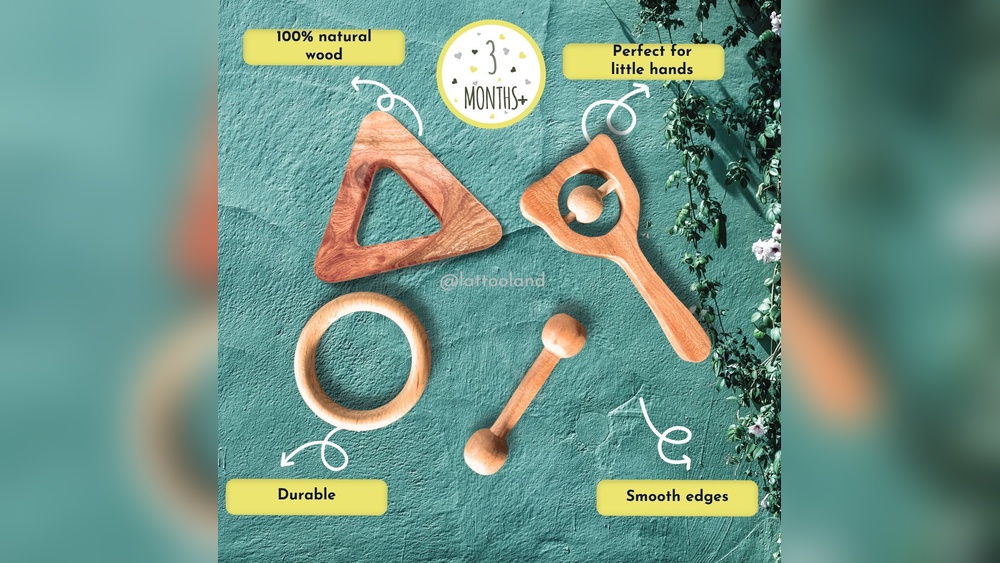
Wooden teething toys use natural, non-toxic materials. They do not contain harmful chemicals found in some plastics. This lowers the risk of allergies or irritations. The smooth wood surface is gentle on baby gums. Parents can trust these toys to be safe and healthy.
Durability And Longevity
Wooden toys last longer than many plastic ones. They resist breaking or cracking under pressure. Babies can chew on them without damaging the toy. This durability makes wooden toys cost-effective. They also hold up well through washing and daily use.
Sensory Stimulation For Babies
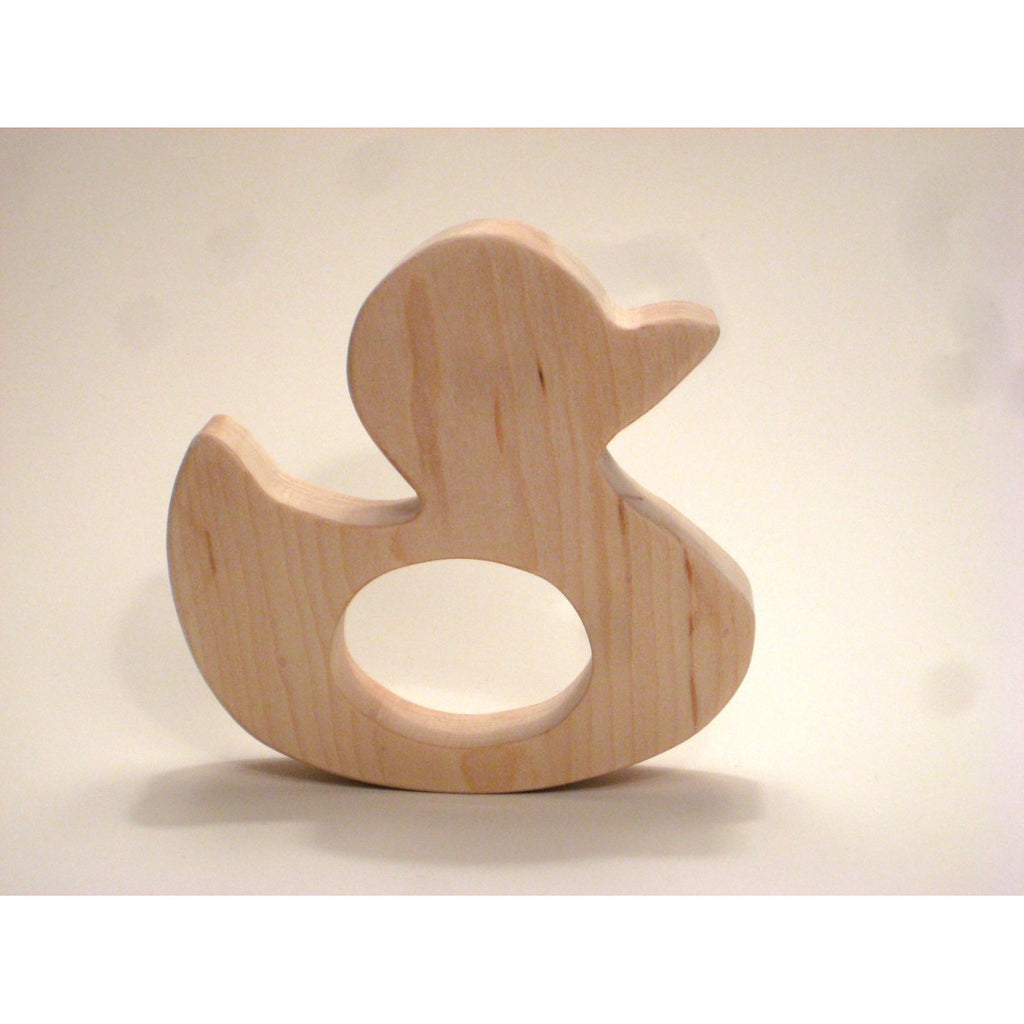
Wooden teething toys offer unique textures and shapes. These features help babies explore with their hands and mouths. The natural wood grain provides gentle sensory feedback. This stimulation supports brain development and fine motor skills. Babies enjoy feeling and holding these toys during teething.
Credit: littlewoodenwonders.com
Potential Risks To Consider
Wooden teething toys are popular for babies to chew on safely. Yet, some risks need attention before choosing them. Parents should know these risks to keep babies safe and happy. This section explains the main concerns related to wooden teething toys.
Choking Hazards And Size
Small parts can break off and cause choking. Toys that are too small fit in babies’ mouths easily. Loose pieces can be swallowed or block airways. Always choose toys that are large enough to prevent choking. Check for loose parts or splinters before giving toys to babies.
Chemical Treatments And Finishes
Some wooden toys have chemicals or paints on them. These can harm babies if chewed or swallowed. Look for toys labeled as non-toxic and free from harmful chemicals. Natural oils and water-based finishes are safer options. Avoid toys that smell strong or look shiny from chemicals.
Allergic Reactions
Wood can cause allergies in some babies. Reactions include redness, rash, or swelling around the mouth. Certain woods, like cedar or pine, may irritate sensitive skin. Test a small area by gently rubbing the toy on the baby’s skin. Stop use if any irritation appears.
What Experts Recommend
Experts agree that wooden teething toys can be safe for babies if chosen and cared for properly. Safety depends on the materials, cleanliness, and condition of the toy. Parents should follow clear guidelines to protect their little ones.
Choosing Certified Non-toxic Toys
Experts recommend selecting toys with clear safety certifications. Look for labels that prove the toy is free from harmful chemicals. Certifications such as ASTM, EN71, or CPSIA show the toy passed strict safety tests. Avoid toys with paint or finishes that contain lead or other toxins. Natural, untreated wood or those sealed with food-grade oils are best for babies.
Inspecting Toys Regularly
Check wooden teething toys often for damage. Cracks, splinters, or loose parts can harm babies. Experts say to discard toys that show signs of wear. Regular inspection helps prevent choking hazards and cuts. Keep an eye out for changes in texture or color that may indicate damage.
Proper Cleaning Methods
Clean wooden teething toys with mild soap and warm water. Experts warn against soaking wood in water for a long time. Dry the toy completely to avoid mold growth. Avoid harsh chemicals or dishwashers, as they can damage the wood. Wipe toys down daily to keep germs away and maintain safety.

Credit: www.amazon.com
Comparing Wooden And Other Teething Toys
Choosing the right teething toy for babies involves understanding the materials used. Wooden teething toys are popular, but many parents consider other options. Each type has unique features and benefits. It is important to compare them based on safety, comfort, and environmental impact. This helps parents make informed decisions for their babies’ health and happiness.
Silicone Vs. Wood
Silicone teething toys are soft and flexible. Babies can chew them easily without hurting their gums. Silicone is often BPA-free and easy to clean. Wooden toys feel harder but are natural and sturdy. They do not bend or squish. Wood offers a unique texture that can soothe sore gums differently. Both materials are non-toxic but require proper cleaning.
Plastic Alternatives
Plastic teething toys are common and usually colorful. Some contain harmful chemicals like BPA or phthalates. Many brands now offer BPA-free plastics to improve safety. Plastic toys are lightweight and come in many shapes. They might wear down faster than wood or silicone. Parents should check labels carefully before buying plastic toys.
Cost And Environmental Impact
Wooden teething toys often cost more upfront but last longer. They are biodegradable and eco-friendly. Silicone toys are mid-range in price and recyclable in some cases. Plastic toys tend to be cheaper but may end up in landfills. Choosing sustainable materials helps reduce waste. It supports a healthier planet for children’s future.
Tips For Parents
Wooden teething toys can be safe and soothing for babies. Parents should follow simple tips to keep playtime safe and fun. Careful use helps protect babies from harm and keeps toys in good shape.
Supervising Teething Sessions
Always watch your baby while using wooden teething toys. Babies can chew too hard or put toys in their mouths the wrong way. Supervision helps you stop any unsafe behavior quickly. Stay nearby and keep an eye on your child’s actions.
Signs Of Wear And Replacement
Check wooden toys often for cracks, splinters, or rough spots. Broken parts can hurt a baby’s mouth. Replace toys that show any damage. Regularly cleaning the toys also keeps them safe and hygienic for your baby.
Incorporating Wooden Toys Safely
Introduce wooden teething toys slowly alongside other soft toys. Teach your baby to hold and chew the toy properly. Avoid toys with small parts that could break off. Always choose high-quality wooden toys made for teething babies.

Credit: www.lattooland.com
Frequently Asked Questions
Are Wooden Teething Toys Safe For Babies?
Yes, wooden teething toys are generally safe if made from non-toxic, untreated wood. They are natural, durable, and free from harmful chemicals, making them a healthy choice for babies to chew on during teething.
How To Clean Wooden Teething Toys Safely?
Clean wooden teething toys with mild soap and warm water. Avoid soaking them to prevent wood damage. Dry thoroughly to stop mold growth. Regular cleaning keeps toys safe and hygienic for babies.
What Are The Benefits Of Wooden Teething Toys?
Wooden teething toys are eco-friendly, durable, and chemical-free. They help soothe sore gums naturally and promote sensory development. Their texture also encourages babies to explore and improve motor skills safely.
Can Wooden Teething Toys Cause Allergies?
Wooden teething toys rarely cause allergies if made from hypoallergenic wood. However, some babies may react to certain wood types or finishes. Always choose toys labeled safe and free from harmful coatings to minimize risks.
Conclusion
Wooden teething toys can be safe for babies if chosen carefully. Always check for smooth edges and non-toxic finishes. Clean the toys regularly to keep germs away. Watch your baby while they play to prevent choking risks. Wooden toys often last longer and feel natural in little hands.
Parents trust them for being simple and sturdy. Safety matters most, so pick toys made for babies. Choosing wisely helps your baby soothe teething pain safely.
