
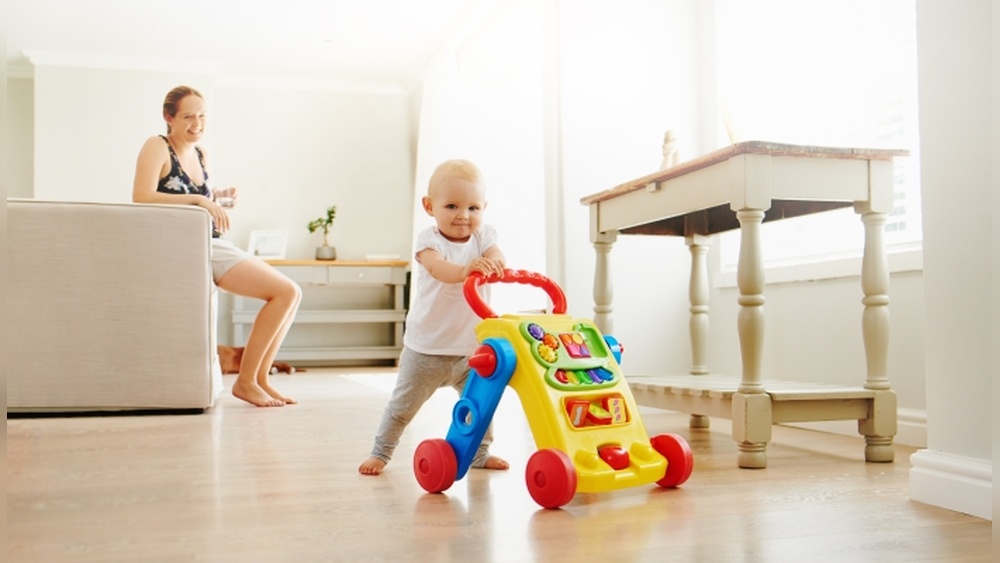
Are you wondering if walker toys are safe for your baby? As a parent, you want to give your little one the best start in life, and choosing the right toys is a big part of that.
Walker toys can seem like a fun way to help your baby learn to move, but are they truly safe? You’ll discover important facts that every parent should know before letting their baby use a walker. Keep reading to protect your child and make the best choices for their early development.
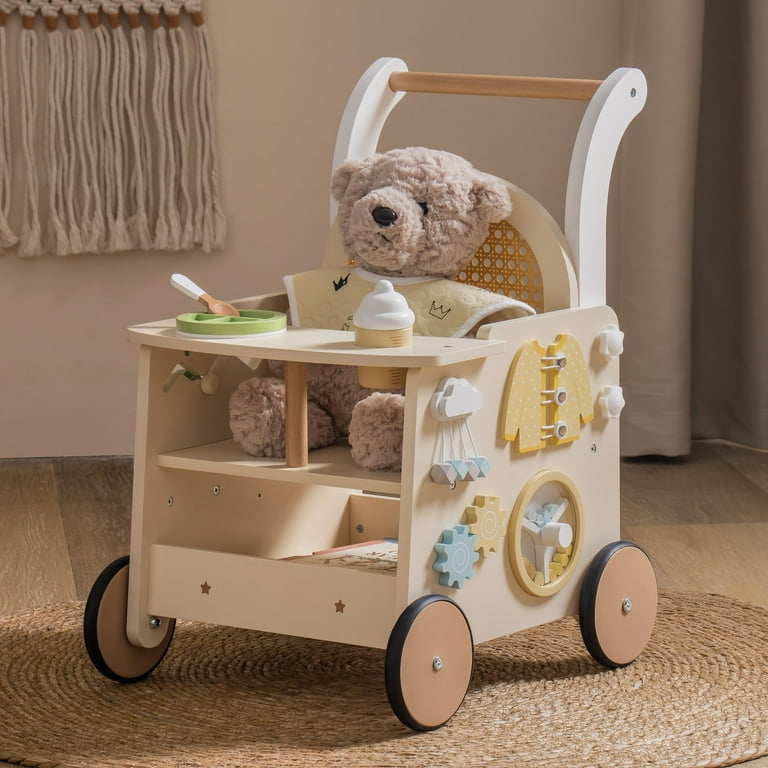
Credit: www.walmart.com
Risks Linked To Baby Walkers
Baby walkers may seem fun and helpful for babies learning to move. Parents often choose them to support early walking skills. Yet, these devices carry serious safety concerns that parents must know. Walkers can expose babies to unexpected dangers around the home. Understanding these risks helps protect babies from harm.
Many health experts warn against using walkers. Babies in walkers can move faster than they can control. This speed increases the chance of accidents. Careful supervision is not always enough to stop injuries.
Common Injuries From Walkers
Falls are the most frequent injuries caused by baby walkers. Babies can tumble down stairs or slip from high surfaces. These falls often lead to head injuries and broken bones. Burns are also common if babies reach hot objects. Babies can pull items like pots or cups onto themselves. Finger injuries happen when babies get caught in walker parts. These injuries may require medical treatment or hospital visits.
Why Walkers Can Be Hazardous
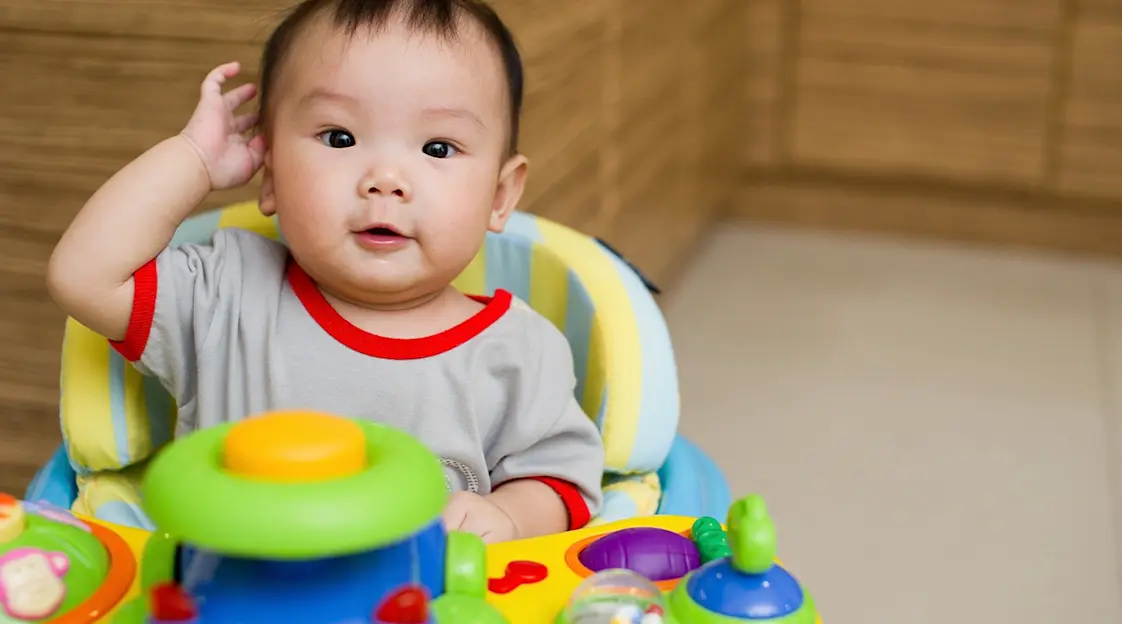
Walkers give babies mobility before they are ready. Babies cannot fully control their body movements yet. This lack of control makes it hard to avoid dangers. Walkers allow babies to reach objects that are unsafe. Sharp edges, hot surfaces, and small items become easier to access. The speed of walkers makes it hard for parents to react fast. Many homes are not baby-proofed for walker use. This combination of factors creates a risky environment for babies.
Credit: www.thebump.com
Safety Standards For Walkers
Safety is the top concern for parents choosing walker toys. Many accidents happen because walkers do not meet safety standards. These rules help keep babies safe while they learn to walk. Understanding these standards helps parents pick the right walker.
Safety standards cover design, materials, and testing. They make sure walkers do not tip over easily. They also prevent babies from reaching dangerous places. Following these standards reduces the risk of injury significantly.
Regulations And Guidelines
Countries have strict rules for baby walkers. These rules control size, speed, and stability. For example, walkers must not move too fast. They need wide bases to avoid tipping.
Regulations often require walkers to have brakes or stoppers. These prevent falls down stairs. Testing labs check each walker before it hits the market. Only those that pass all tests get approved.
Certified Safe Walker Features
Certified walkers include key safety features. Wide bases increase stability. Soft edges protect babies from bumps and cuts. Stoppers or friction pads keep walkers from sliding off steps.
Materials are non-toxic and strong. Certified walkers avoid small parts that can break off. They also have comfortable seats with good support. These features help keep babies safe and happy.
Alternatives To Traditional Walkers
Traditional baby walkers can pose safety risks for little ones. Many parents seek safer options to support their babies’ early movement. Several alternatives offer fun and help babies learn to walk. These choices encourage development while reducing injury chances.
Stationary Activity Centers
Stationary activity centers keep babies in one place. They have toys and buttons to keep babies busy. These centers help babies sit and play safely. Babies can practice standing without moving around. This reduces the risk of falls and accidents. Activity centers also build strength and hand-eye coordination.
Push Toys And Walk Aids
Push toys let babies hold and push while walking. They provide balance support and encourage walking skills. Walk aids have wide bases to prevent tipping. Babies gain confidence as they move with help. These toys promote muscle development and stability. Parents should choose sturdy, well-built push toys for safety.

Credit: vixencomposites.com
Safe Usage Tips For Walkers
Using baby walkers can be fun, but safety is very important. Following safe usage tips helps keep babies secure. Parents and caregivers must take steps to avoid accidents. Setting up the right environment and watching babies closely makes a big difference. These tips help make walkers safer and more enjoyable for little ones.
Supervision Essentials
Always watch your baby closely while using a walker. Never leave a child alone in the walker. Walkers can move quickly and reach dangerous places. Keep your eyes on your baby to stop any falls or bumps. Stay nearby and be ready to help at any moment. Active supervision prevents many common walker injuries.
Safe Environment Setup
Clear the floor of sharp or small objects before using a walker. Block off stairs and uneven areas with safety gates. Use the walker only on flat, smooth surfaces inside the home. Remove cords, rugs, and furniture that can cause tipping. Make sure doors to unsafe rooms are closed. A safe space reduces risks and keeps babies safe while exploring.
Signs Your Baby Is Ready To Walk
Babies grow fast and learn many new skills. Walking is one big step for them. It shows they are strong and ready to explore more. Parents often wonder when their baby will start to walk. Some signs show the baby is ready for this new stage.
Physical Milestones
Babies usually sit without help before walking. They start to crawl and pull up to stand. Standing alone for a few seconds is a key sign. They may try to take steps while holding furniture. Strong legs and balance help in taking first steps. These physical skills show readiness to walk soon.
Behavioral Indicators
Babies show interest in moving around more. They may push toys while standing or walking. Curiosity about the world grows as they want to explore. Babies become more confident and excited to move. They might try to reach objects far away. These behaviors suggest they are ready to walk.
Frequently Asked Questions
Are Walker Toys Safe For Babies To Use?
Walker toys can pose safety risks, such as falls and injuries. Experts recommend close supervision and using stationary activity centers instead. Always check safety standards before allowing babies to use walkers.
What Are The Main Dangers Of Baby Walkers?
Baby walkers increase the risk of falls, especially down stairs. They can also encourage unsafe walking habits and delay motor skill development. Constant adult supervision is essential if walkers are used.
How Can I Ensure Baby Walker Safety At Home?
Ensure all stairs and hazards are blocked off securely. Use walker toys only on flat, non-slip surfaces. Never leave babies unattended in walkers to prevent accidents.
Are There Safer Alternatives To Traditional Baby Walkers?
Yes, stationary activity centers and push toys are safer options. They support motor skills without allowing mobility that leads to falls. Consult with pediatricians for recommended baby mobility aids.
Conclusion
Babies enjoy exploring with walker toys, but safety must come first. Choose walkers with strong brakes and wide bases to prevent falls. Always watch your baby while they use a walker. Limit use to short periods to avoid over-reliance. Keep stairs and sharp objects out of reach.
Remember, no toy replaces careful adult supervision. Safe play helps babies learn and grow happily. Prioritize safety, and your baby will enjoy moving around safely.
