
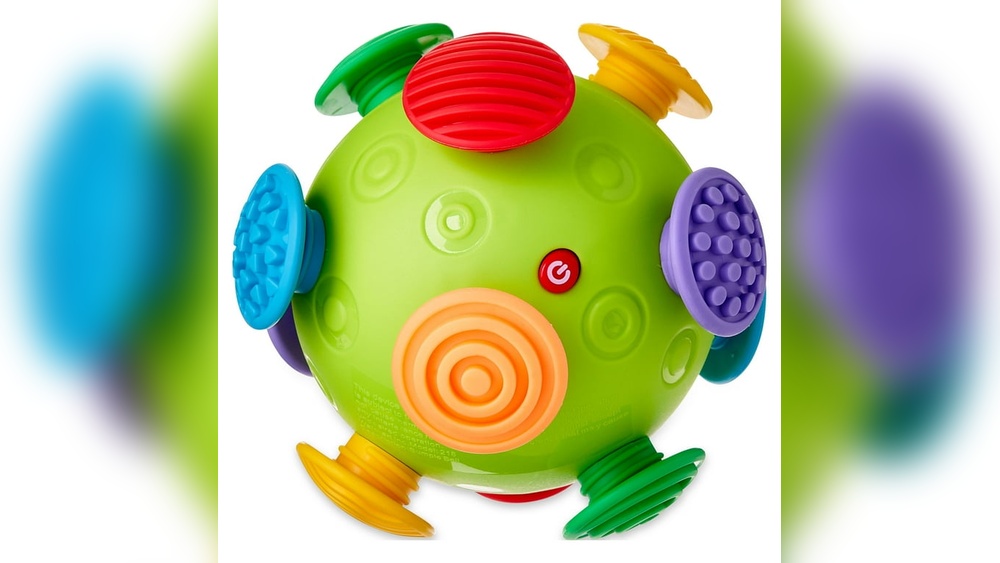
Are you curious about whether vibrating toys are a good choice for your baby? You want what’s best for your little one, and it’s natural to wonder if these toys can help with their development or if they might cause harm.
Vibrating toys are popular, but are they truly safe and beneficial? Keep reading to discover the surprising facts and expert insights that will help you make the right decision for your baby’s playtime. Your baby’s happiness and safety come first, and understanding the role of these toys is key.
Benefits Of Vibrating Toys
Vibrating toys offer several benefits for babies. They provide more than just fun. These toys help babies learn and grow in different ways.
Parents and caregivers often choose these toys because they add a new layer to playtime. Vibrations catch babies’ attention and encourage interaction.
Sensory Stimulation
Vibrations stimulate babies’ sense of touch. This sensory input helps babies notice different feelings. It also keeps their minds engaged and curious.
Touching and feeling the vibrations can improve a baby’s awareness of their environment. These toys help babies discover new textures and sensations.
Motor Skill Development
Vibrating toys encourage babies to reach and grab. This action improves hand-eye coordination and fine motor skills. Babies learn to control their movements better.
Holding and shaking the toys builds muscle strength in small hands. These skills are important for future tasks like writing and dressing.
Soothing Effects
Vibrations can calm and soothe babies. The gentle buzzing mimics comforting sensations like a parent’s touch. This helps reduce fussiness and crying.
Soothing effects support better sleep and relaxation. Babies feel safe and comforted with these toys nearby.
Safety Considerations
Safety is the top priority when choosing vibrating toys for babies. Parents must carefully check several factors. These factors help keep babies safe while they explore new sensations.
Understanding these safety points can give peace of mind. It also ensures that the toy is suitable and gentle for babies’ sensitive needs.
Material And Design
Choose toys made from non-toxic, BPA-free materials. Soft, smooth surfaces prevent skin irritation and injuries. Avoid toys with small parts that can break off. Rounded edges reduce the risk of cuts or scratches. The design should be simple and easy to clean. Durable construction helps toys last without falling apart.
Battery Safety
Batteries must be securely enclosed and inaccessible to babies. Loose batteries pose choking hazards and risk of poisoning. Opt for toys with sealed battery compartments. Check that batteries do not overheat during use. Rechargeable options are safer but still require supervision. Always follow manufacturer instructions on battery care.
Age Appropriateness
Select toys labeled for the baby’s exact age group. Toys for older children may have unsafe features. Vibrations should be gentle and not too strong. The size of the toy must fit the baby’s hands comfortably. Age-appropriate toys support healthy development and safe play. Never force a toy on a baby who shows discomfort.
Choosing The Right Vibrating Toy
Choosing the right vibrating toy for babies requires careful thought. Safety and comfort come first. Parents want toys that entertain and soothe their little ones. The right toy can support baby’s development and provide gentle stimulation. Understanding the types, features, and brands helps make the best choice.
Types Of Vibrating Toys
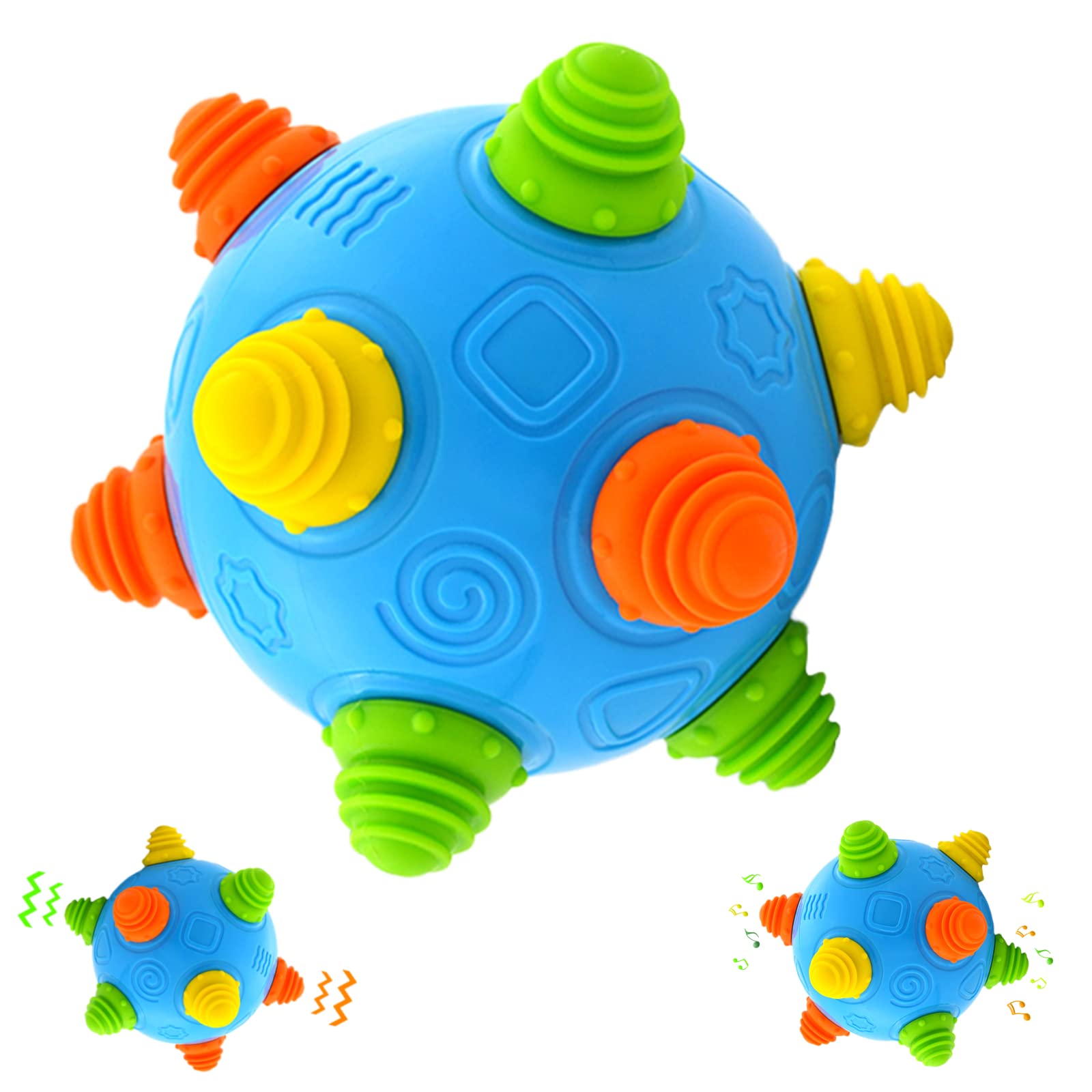
Vibrating toys for babies come in many shapes and sizes. Some toys mimic animals or soft dolls. Others are simple rattles with a vibrating feature. Teething toys with vibrations help ease gum pain. Portable toys with vibration are easy to carry. Each type offers different sensory experiences for babies.
Features To Look For
Choose toys with safe materials like BPA-free plastic or soft silicone. Toys should have smooth edges and no small parts. The vibration should be gentle, not too strong. Look for toys with easy-to-use buttons. Battery life matters for uninterrupted play. Waterproof toys are easier to clean and maintain.
Recommended Brands
Trusted brands offer tested and safe vibrating toys. Many parents prefer brands with good reviews and certifications. Some popular brands focus on baby development and safety. Brands with a variety of designs help meet different needs. Always check brand reputation before buying a vibrating toy for babies.
Credit: www.esquim.com
Using Vibrating Toys Effectively
Using vibrating toys effectively can help babies enjoy them safely and learn from play. These toys offer gentle vibrations that can soothe and entertain. Parents should know how to use them well to get the best benefits. Careful use improves the baby’s comfort and safety.
Supervised Play
Always watch your baby while using vibrating toys. Supervision helps prevent choking or misuse. Babies explore with their mouths, so keep a close eye. Stay nearby to stop any problems quickly. Supervised play makes the experience safe and fun.
Time Limits
Use vibrating toys only for short periods. Limit playtime to a few minutes at a time. Too long can cause discomfort or overstimulation. Short breaks keep babies calm and happy. Time limits help maintain a healthy balance during play.
Combining With Other Toys
Mix vibrating toys with other simple toys. This variety helps develop different senses and skills. Soft toys, rattles, and blocks add fun and learning. Combining toys keeps babies curious and engaged. Variety supports growth and exploration during playtime.
Common Concerns And Myths
Many parents wonder about the safety of vibrating toys for babies. Some concerns and myths exist around these toys. Understanding these worries helps make better choices for your child.
Overstimulation Risks
Vibrating toys can excite a baby’s senses. Too much vibration may cause fussiness or discomfort. Babies have different tolerance levels for stimulation. Using the toy for short periods reduces any risk. Watch your baby’s reactions to know when to stop.
Impact On Development
Some believe vibrating toys might harm a baby’s growth. No studies prove that gentle vibration stops development. These toys often encourage touch and movement. This can help sensory and motor skills. Balance use with other toys and activities for best results.
Cleaning And Maintenance
Parents worry about germs on vibrating toys. Babies put toys in their mouths often. Clean the toy regularly with mild soap and water. Check the product instructions for safe cleaning methods. Proper care keeps the toy safe and hygienic for babies.

Credit: www.love-hugs.com

Credit: www.kids2.com
Frequently Asked Questions
Are Vibrating Toys Safe For Babies?
Vibrating toys are generally safe if they meet safety standards. Always check for non-toxic materials and avoid small parts. Supervise your baby during play to prevent choking or injury. Choose age-appropriate toys designed specifically for infants to ensure safety.
How Do Vibrating Toys Benefit Baby Development?
Vibrating toys stimulate babies’ senses, aiding motor skills and tactile exploration. The vibrations encourage hand-eye coordination and sensory awareness. These toys can also soothe fussy babies by providing gentle, comforting vibrations.
At What Age Can Babies Use Vibrating Toys?
Babies can start using vibrating toys around 3 to 6 months. This is when they begin exploring objects and developing sensory skills. Always select toys labeled for the baby’s age group to ensure safety and developmental appropriateness.
Can Vibrating Toys Soothe A Crying Baby?
Yes, gentle vibrations can calm and soothe crying babies. The rhythmic sensation mimics a calming environment, reducing fussiness. However, use vibrations as a supplement, not a substitute, for attentive caregiving and comfort.
Conclusion
Vibrating toys can offer gentle stimulation for babies. They may help develop senses and keep babies curious. Always choose safe, age-appropriate toys to avoid risks. Watch how your baby reacts to these toys closely. Too much vibration might upset or overstimulate some babies.
Balance playtime with quiet, calm moments for best results. Trust your instincts and consult your pediatrician if unsure. Safe, simple toys often work best for young children. Keep your baby’s comfort and safety as top priorities.
