
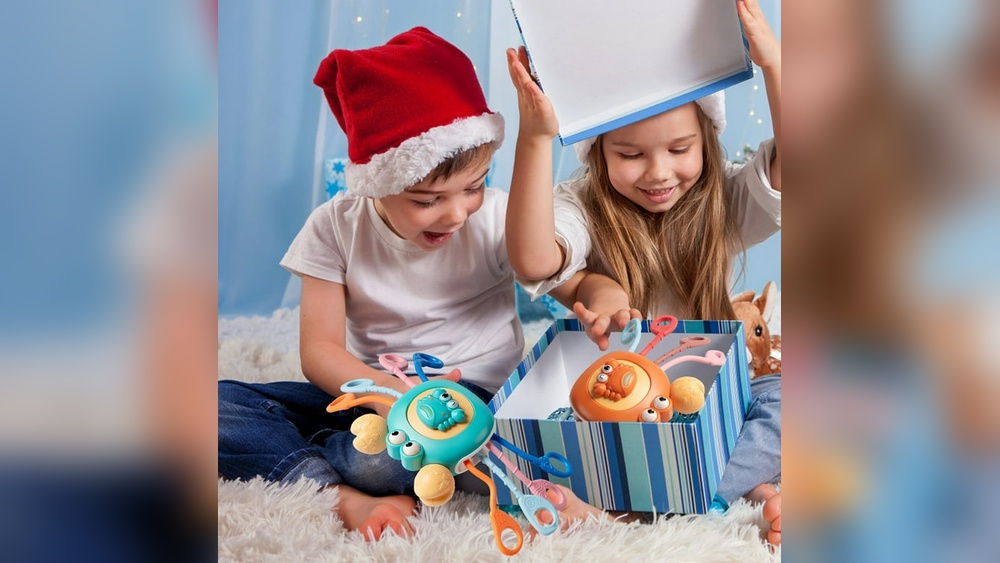
Have you ever wondered if toys with strings are safe for your baby? As a parent or caregiver, your top priority is keeping your little one safe while they explore and play.
Strings on toys might seem harmless, but they can pose hidden risks that you need to know about. You’ll discover the potential dangers and how to choose toys that protect your baby without taking away the fun. Keep reading to make sure your baby’s playtime stays safe and worry-free.
Risks Of Strings On Baby Toys
Strings on baby toys may look harmless but carry real risks. Parents and caregivers must know the dangers they pose. Toys with strings can cause serious injuries or accidents. Understanding these risks helps keep babies safe and happy.
Choking Hazards
Strings can break or detach from toys. Small string pieces may get stuck in a baby’s throat. Babies tend to put toys in their mouths. Loose strings increase the chance of choking. Always check toys for secure attachments.
Strangulation Dangers
Long strings can wrap around a baby’s neck. Babies cannot untangle themselves. Strangulation can happen quickly and silently. Toys with long or looped strings are risky. Keep string length short and supervise playtime closely.
Injury From Entanglement
Babies can get limbs caught in strings. This causes pain and cuts on skin. Entangled babies may panic and struggle. This increases the chance of falls or other injuries. Avoid toys with strings that can easily tangle.
Common Stringed Toys And Their Risks
Stringed toys are common in many babies’ play areas. These toys often attract babies with their movement and colors. Yet, strings can pose hidden dangers. It is important to know which toys come with strings and what risks they carry. This knowledge helps keep babies safe while they play.
Some stringed toys are safe with close supervision. Others might cause choking, strangulation, or entanglement. Parents and caregivers must watch babies closely around these toys. Let’s explore common stringed toys and their specific risks.
Pull Toys With Strings
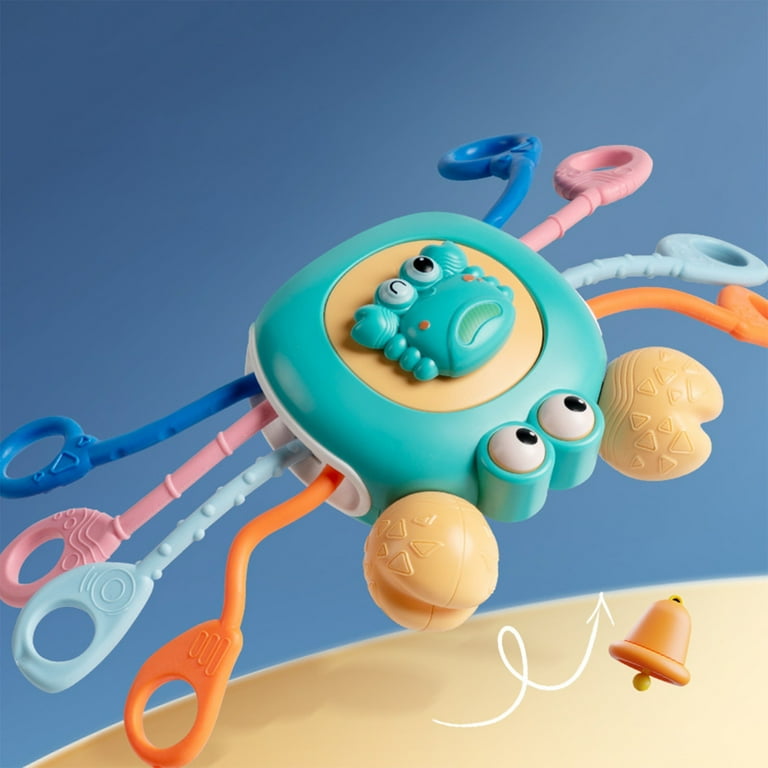
Pull toys often have strings for babies to drag them along. These toys encourage walking and coordination. The strings can be long enough to wrap around fingers or neck. This wrapping can lead to choking or strangulation. Always choose pull toys with short strings or safety breaks.
Pacifier Clips And Holders
Pacifier clips use strings or cords to keep pacifiers close. They stop pacifiers from falling on the floor. If the string is too long, it can wrap around a baby’s neck. This risk makes long cords unsafe. Use clips with short, sturdy strings and never leave babies unattended with them.
Crib Mobiles And Hanging Toys
Crib mobiles have strings to hang toys above babies. These toys entertain and soothe babies to sleep. Strings hanging too low can reach the baby’s hands or neck. Babies may pull or get tangled in these strings. Secure mobiles out of baby’s reach and check the strings often for wear.
Safety Standards For Toys With Strings
Safety standards for toys with strings protect babies from harm. These rules guide manufacturers to create safer toys. Parents can trust that toys meeting these standards reduce risks.
Strict safety measures target common dangers like choking and strangulation. Toys with strings must follow clear guidelines on length, material, and design. These rules help keep babies safe while they play.
Regulations To Protect Babies
Regulations limit string length to prevent strangulation risks. Authorities set rules for age-appropriate toys with strings. Toys failing to meet these rules cannot be sold. Regular inspections ensure manufacturers follow safety laws.
Recommended Lengths And Materials
Strings longer than 12 inches can be dangerous for babies. Safe toys use shorter strings or breakaway designs. Soft, non-toxic materials reduce injury risks. Durable strings avoid fraying and choking hazards.
Certification And Labeling
Certified toys display safety marks on packaging. Labels show compliance with safety standards and testing. Parents should check for certifications before buying toys. Clear labels help identify safe toys with strings.

Credit: www.amazon.com
Signs Of String-related Toy Hazards
String-related toys can be fun but also risky for babies. Parents must watch for signs of danger. These signs help prevent accidents before they happen. Recognizing hazards early keeps babies safe during playtime.
Wear And Tear Indicators
Check the strings regularly for fraying or thinning. Worn strings break easily and can cause choking. Look for discoloration or stiffness, signs of damage. Replace toys showing any wear to avoid risk.
Loose Or Detached Strings
Loose strings can wrap around a baby’s fingers or neck. Detached strings pose a choking hazard if swallowed. Always secure loose ends tightly. Discard toys with strings that come off easily.
Unsafe Attachments
Attachments should be firmly fixed to the toy. Loose beads or clips can detach and cause choking. Avoid toys with sharp or rough attachments. Safe toys have securely attached parts without small loose pieces.
Safer Alternatives To Stringed Toys
Choosing safe toys for babies is very important. Toys with strings can cause risks like choking or strangulation. Parents can find many safer options that still offer fun and learning.
Toys Without Strings
Toys without strings remove the risk of entanglement. Blocks, soft balls, and stacking rings are great choices. These toys are easy to hold and explore safely.
Short And Secure Attachments
If toys have attachments, they should be short and firmly fixed. Clips and short ribbons keep toys close without loose ends. This prevents babies from pulling or wrapping strings around fingers or necks.
Soft And Flexible Materials
Soft toys made from flexible materials are gentle on babies. They reduce injury chances and are easy to chew. Look for plush toys or silicone teething rings as safe options.

Credit: www.amazon.com
Parental Precautions And Tips
Parents must take special care with toys that have strings. These toys can pose risks if not handled properly. Simple steps can help keep babies safe while they play. Attention and care make playtime both fun and secure.
Regular Toy Inspections
Check toys with strings often for any damage. Look for frayed or loose strings that could come off. Broken parts can cause choking or strangulation hazards. Remove toys that show signs of wear or damage immediately. Keep only toys in good condition for your baby.
Proper Supervision During Play
Always watch your baby while they play with string toys. Stay close to intervene if the string wraps around fingers or neck. Never leave your baby alone with toys that have long strings. Your presence helps prevent accidents and ensures safe play.
Safe Storage Practices
Store string toys out of reach when not in use. Keep them in a designated box or shelf. This prevents babies from grabbing them unsupervised. Organizing toys also helps you spot damaged ones faster. Safe storage reduces the risk of accidental injuries.
Credit: www.walmart.com
Frequently Asked Questions
Are Toys With Strings Safe For Babies?
Toys with strings can be risky for babies. Strings longer than 7 inches may cause choking or strangulation. Always supervise play and choose toys with short, securely attached strings to ensure safety.
What Are The Choking Hazards Of String Toys?
Strings on toys can wrap around a baby’s neck or fingers. Loose or long strings increase strangulation risks. Always inspect toys for secure attachments and avoid strings longer than recommended.
How To Choose Safe String Toys For Infants?
Select toys with short, firmly attached strings under 7 inches. Avoid toys with detachable small parts. Check for safety certifications and always supervise babies during playtime with string toys.
Can String Toys Cause Strangulation In Babies?
Yes, long or loose strings can wrap around a baby’s neck. This poses a strangulation hazard. It is crucial to limit string length and supervise babies during play.
Conclusion
Toys with strings can pose risks for babies. Strangulation and choking are real dangers. Always choose toys with short, safe strings. Never leave babies alone with stringed toys. Parents should watch their children closely during play. Safe play helps babies grow and learn happily.
Keep safety a top priority in every toy choice. This simple step protects your child from harm. Remember, a safe toy means a happy baby.
