
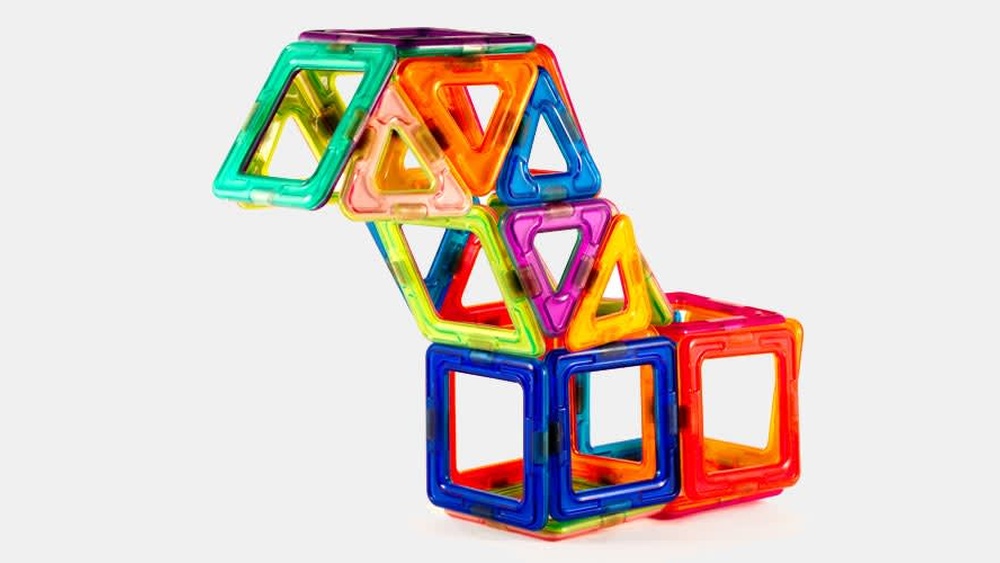
Are you wondering if toys with magnets are safe for your child? You’re not alone.
These toys can seem fun and educational, but they also come with hidden risks that many parents don’t know about. What if a small magnet gets swallowed? How dangerous could it really be? Understanding the facts can protect your child from serious harm.
Keep reading to discover what you need to watch out for and how to keep your little ones safe while they play.

Credit: www.poison.org
Magnet Types In Toys
Toys with magnets come in different types and sizes. Understanding these magnets helps to know the risks they pose to children. Some magnets are small and easy to swallow. Others are larger and harder to swallow but can still be dangerous.
Magnets also differ in strength. Strong magnets stick together tightly. Weak magnets have less pull. Both size and strength affect safety.
Small Vs Large Magnets
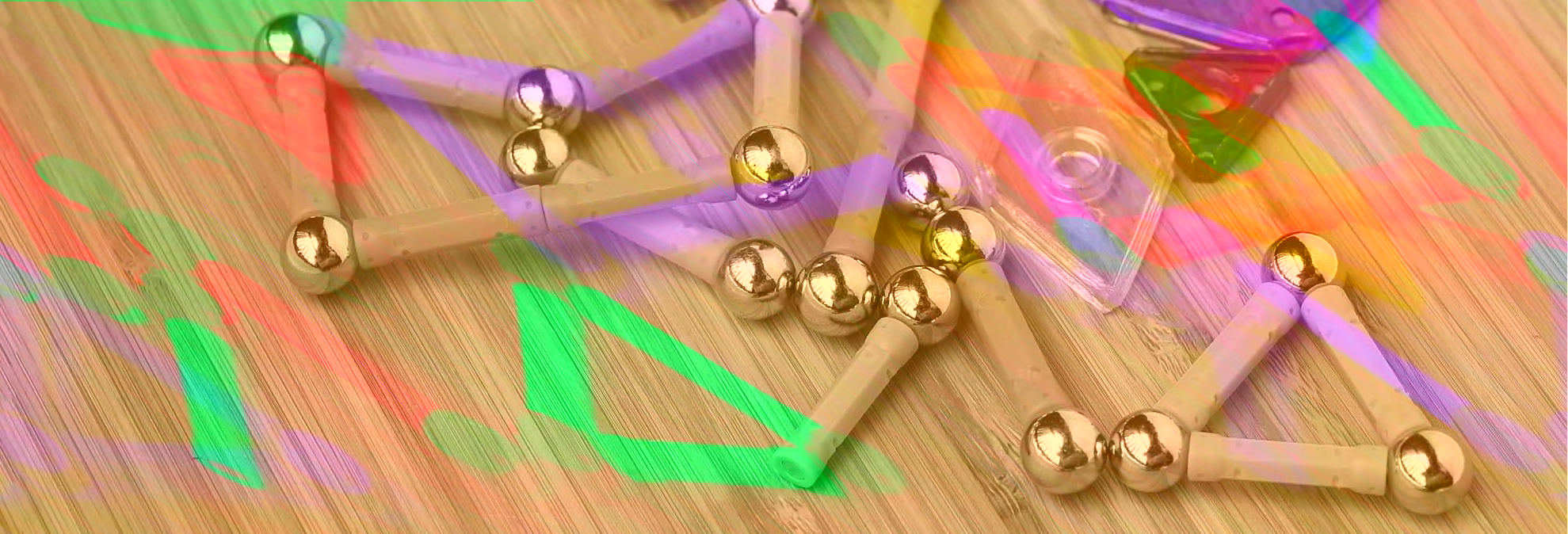
Small magnets often appear in building toys or jewelry sets. These tiny magnets are easy for kids to swallow. Swallowed magnets can stick inside the body and cause serious harm. Large magnets are usually part of bigger toys. They are harder to swallow but can still pinch or trap fingers. Both small and large magnets need careful supervision.
Magnet Strength And Risks
Strong magnets attract each other with great force. If swallowed, they can pull together through intestines and cause injuries. Weak magnets pose less risk but can still cause choking hazards. Toy makers often use weaker magnets to reduce danger. Knowing magnet strength helps parents choose safer toys for kids.
Common Hazards
Magnets in toys can pose serious risks to children. Many parents do not realize the dangers these small objects bring. It is important to understand the common hazards linked to magnetic toys. This knowledge helps keep kids safe and healthy.
Choking And Ingestion Dangers
Small magnets can easily fit into a child’s mouth. Kids often put toys in their mouths while playing. This raises the risk of choking on magnets. Swallowing magnets is also a common problem. It can happen without parents noticing.
Choking is a life-threatening emergency. It blocks the airway, making breathing hard or impossible. Even a quick swallow can cause choking. Parents should watch children closely when playing with magnetic toys.
Internal Injuries From Swallowed Magnets
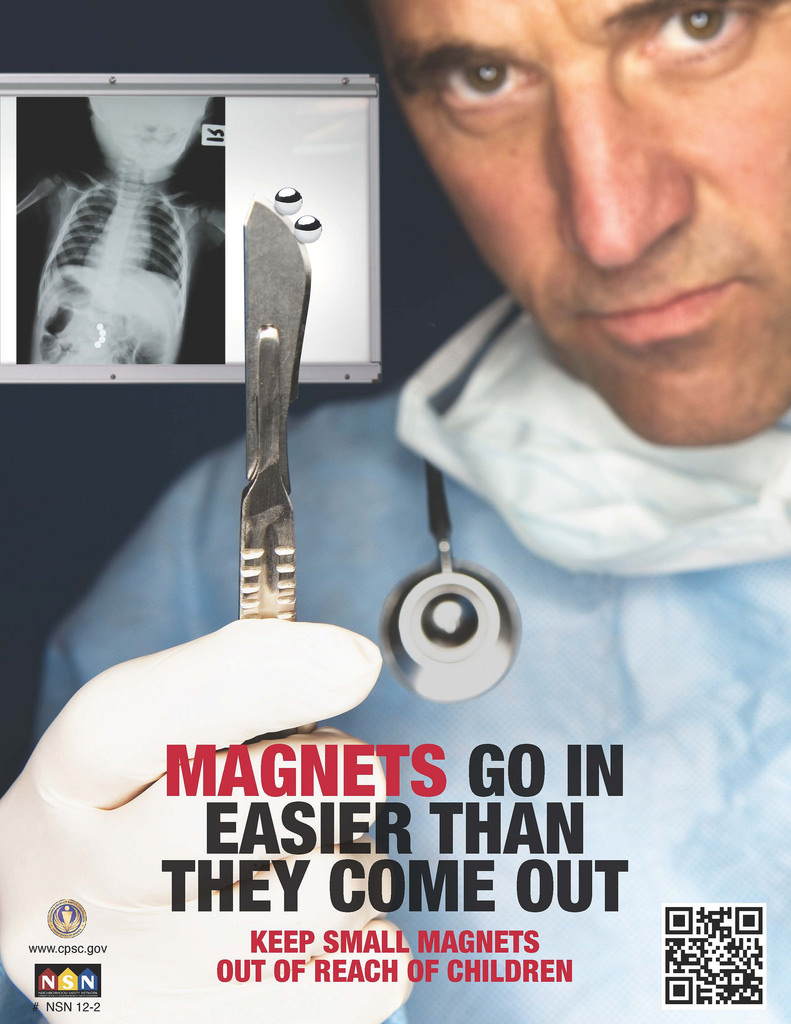
Swallowed magnets can stick together inside the body. They attract through the walls of the intestines. This pulls the intestines together, causing holes or blockages. These injuries can lead to infections or serious illness.
Internal damage from magnets needs urgent medical care. Symptoms may include stomach pain, vomiting, or fever. Immediate action can prevent long-term harm or death. Keep magnets out of reach of young children to avoid this risk.
Age Recommendations
Age recommendations help parents choose safe toys for children. Magnetic toys can be fun but must match the child’s age. Choosing the right age group lowers risks of accidents. Understanding age limits keeps kids safe while they play.
Suitable Ages For Magnetic Toys
Magnetic toys are best for children over three years old. Small magnets can be dangerous for younger kids. Toys with large magnets are safer for older children. Always check the label for the recommended age range. Avoid giving magnetic toys to toddlers or babies.
Why Age Limits Matter
Young children often put toys in their mouths. Magnets can cause serious injuries if swallowed. Age limits protect kids from choking and internal damage. Following age guidelines helps prevent emergencies. Manufacturers set age limits based on safety tests and risks.
Credit: www.cpsc.gov
Safety Standards And Regulations
Safety standards and regulations help protect children from toy hazards. These rules ensure toys with magnets are made and tested carefully. They reduce risks such as swallowing small magnets or choking. Parents can trust certified toys meet strict safety requirements.
Manufacturers must follow these rules to sell toys legally. Authorities check toys regularly to keep children safe. Understanding these standards helps parents make smart choices for their kids.
Certification And Testing
Toys with magnets must pass safety tests before reaching stores. Testing checks magnet strength, size, and how easily magnets can detach. Certified toys show a label proving they meet safety rules. This label means the toy is less likely to harm children.
Testing also looks for sharp edges or small parts. These checks protect kids from swallowing magnets or getting hurt. Certification gives peace of mind to parents and caregivers.
Global Safety Guidelines
Different countries have rules for toy safety. Many follow similar guidelines to protect children worldwide. These rules set limits on magnet size and strength in toys. They also require clear warnings on packaging.
Global guidelines help companies create safe toys for all markets. Parents should check if a toy meets safety standards in their country. This helps avoid dangerous toys with unsafe magnets.
Parental Precautions
Parents play a key role in keeping kids safe around toys with magnets. These toys can be fun but also risky if not handled carefully. Taking simple steps can protect children from harm. Staying alert and checking toys often helps prevent accidents.
Supervision Tips
Always watch young children while they play with magnetic toys. Stay close to stop them from putting magnets in their mouths. Teach kids not to swallow or stick magnets near their faces. Keep small magnets out of reach of toddlers and babies. Supervision reduces the chances of choking or internal injuries.
Inspecting Toys For Damage
Check magnetic toys regularly for cracks or broken parts. Damaged toys may lose magnets that can be swallowed. Throw away toys with loose or missing magnets immediately. Repair or replace toys that show wear and tear. Careful inspection keeps playtime safe and worry-free.
Emergency Actions
Emergency actions are critical if a child swallows magnets. Fast and correct response can prevent serious health problems. Knowing what signs to watch for and what to do immediately saves lives.
Recognizing Magnet Ingestion Symptoms
Watch for stomach pain that does not go away. Vomiting or nausea could also be signs. Notice if the child has trouble eating or drinking. Fever might mean infection inside the body. Watch for unusual tiredness or weakness. Any of these symptoms need quick attention.
Immediate Steps To Take
Do not make the child vomit. Keep the child calm and still. Call emergency services or go to the hospital right away. Tell doctors about the magnet swallowing. Bring the toy or magnets if possible. Follow all doctor instructions carefully for the best care.
Alternatives To Magnetic Toys
Magnetic toys can be fun but sometimes risky for young children. Many parents want safe alternatives that still keep kids happy and learning. Choosing the right toys helps avoid accidents and encourages play that builds skills. Here are some good options to consider.
Safe Toy Options
Wooden blocks are a classic choice. They are sturdy, non-toxic, and easy to hold. Soft plush toys offer comfort and are safe for babies. Large puzzle pieces made of foam or thick plastic reduce choking hazards. These toys provide hours of safe fun without small parts.
Educational And Engaging Choices
Building sets without magnets teach creativity and problem-solving. Art supplies like crayons and paper boost imagination and fine motor skills. Simple board games help children learn rules and take turns. These toys support learning while keeping children entertained and safe.
Credit: www.consumerreports.org
Frequently Asked Questions
Are Toys With Magnets Safe For Young Children?
Toys with magnets can be unsafe for children under three. Small magnets may cause choking or serious internal injuries if swallowed.
What Are The Risks Of Swallowing Magnetic Toys?
Swallowing magnets can lead to blockages, infections, or perforations in the digestive tract. Immediate medical help is crucial.
How Can Parents Ensure Toy Magnet Safety?
Check age recommendations and toy quality. Supervise playtime and keep small magnetic parts away from toddlers.
What Are Signs Of Magnet Ingestion In Kids?
Symptoms include stomach pain, vomiting, fever, or difficulty eating. Seek urgent medical care if these signs appear.
Conclusion
Toys with magnets can be fun but carry risks for kids. Small magnets may cause serious harm if swallowed. Parents must watch children closely during playtime. Choose toys with larger, secure magnets for safety. Teach kids not to put magnets in their mouths.
Always check product labels for safety warnings. Safe play helps avoid hospital visits and stress. Staying informed keeps children safe and happy. Better safe than sorry. Safety matters most.
