
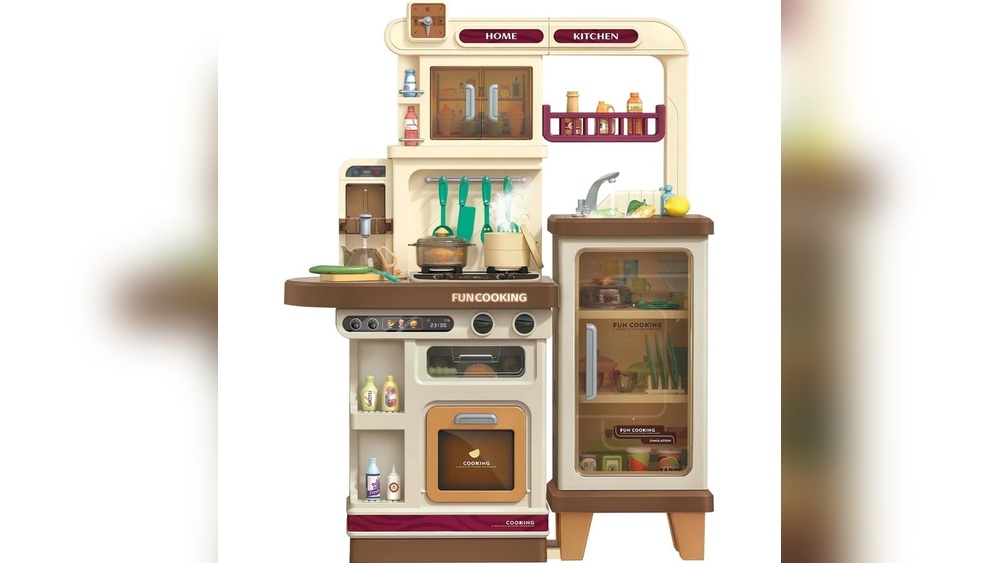
Have you ever wondered if toys with lights and sounds are really good for your child? These flashy toys catch your kid’s attention right away, but do they help your child learn and grow?
You want the best for your little one, and choosing the right toys can feel overwhelming. Keep reading to discover how these toys affect your child’s development and what you should look for to make smart choices that truly benefit your child.
Boosting Sensory Development
Toys with lights and sounds play a key role in developing a child’s senses. They create a rich environment that helps kids explore the world. These toys attract attention and encourage interaction. This interaction supports brain growth and sensory learning.
Enhancing Visual Skills
Bright lights help children notice colors and shapes. Flashing lights improve focus and tracking skills. Kids learn to follow moving lights with their eyes. This practice strengthens eye muscles and coordination. Visual stimulation also aids in recognizing patterns and contrasts.
Stimulating Auditory Senses
Sounds from toys teach kids to recognize different noises. Music and beeps help develop listening skills. Children learn to identify tones and rhythms. This improves their ability to understand speech later. Listening to sounds also boosts attention and memory.
Encouraging Cognitive Growth
Toys with lights and sounds can help children learn and grow. These toys catch kids’ attention and make playtime fun. They also support important brain skills. Playing with these toys can help kids think better and remember more. Bright lights and clear sounds guide children through different tasks. This type of play encourages kids to explore and solve problems. It also helps them focus and remember details. These skills are key for school and daily life.
Improving Problem-solving Abilities
Toys with lights and sounds often include puzzles or challenges. Kids must figure out how to make the lights flash or sounds play. This type of play trains their brain to think step-by-step. They learn to try different ideas and see what works. Problem-solving skills grow as children explore these toys. They become more confident in finding solutions on their own.
Supporting Memory And Attention
Lights and sounds help kids remember patterns and sequences. They listen carefully to sounds and watch for changes in light. This practice improves their attention span. Children learn to focus on tasks for longer periods. Repeating actions with the toys strengthens their memory. Strong memory and attention skills help with reading and learning in school.
Promoting Motor Skills
Toys with lights and sounds can help children develop important motor skills. These toys encourage kids to move their fingers and hands in new ways. They make playtime active and fun, which helps learning happen naturally.
Fine Motor Coordination
Fine motor coordination is about small movements in the fingers and hands. Toys with buttons, switches, or small parts light up or make sounds when touched. This encourages kids to practice pressing, turning, or sliding. These actions improve their control and strength in their fingers.
Playing with such toys also helps children learn to use both hands together. They begin to understand how to grip and release objects with precision. This skill is important for writing, drawing, and other daily tasks.
Hand-eye Coordination
Hand-eye coordination means using eyes and hands together smoothly. Toys that light up or make sounds require children to watch and respond quickly. They learn to touch or press the right spot at the right time.
These activities train the brain and body to work in sync. Kids get better at tracking moving objects and reacting. This skill supports many activities like catching a ball or using tools.

Credit: www.amazon.com
Fostering Emotional Engagement
Toys with lights and sounds can help kids feel more connected to play. These toys catch their attention and make playtime more exciting. This excitement helps kids express their feelings and enjoy moments alone or with others. Emotional engagement through such toys supports healthy growth and learning.
Bright colors and fun noises encourage kids to explore and react. Children often smile, laugh, or show surprise. These reactions build bonds between the child and their environment. Emotional connections like these shape early social skills and confidence.
Building Confidence
Toys that respond with lights and sounds give instant feedback. Kids learn that their actions matter. This feedback helps children try new things without fear. Success with these toys boosts their self-belief and pride. Confident kids feel ready to face challenges and meet new people.
Encouraging Creativity And Imagination
Lights and sounds spark children’s imagination. They create stories and pretend play around the toy’s effects. This type of play grows creative thinking and problem-solving skills. Kids imagine new worlds and roles, which helps brain development. Creative play also improves mood and emotional health.
Social Interaction Benefits
Toys with lights and sounds offer more than just fun. They help children connect with others. Playing with these toys encourages social skills. Kids learn how to share and talk together.
These toys create chances for children to practice important social habits. They help build friendships and teamwork. The bright lights and sounds attract kids, making group play easier.
Sharing And Cooperation
Kids often want to play with toys that light up and make sounds. This interest can lead to sharing moments. Children take turns using the toy. They learn to wait patiently and cooperate with others.
Sharing these toys teaches respect for friends’ feelings. It helps children understand fairness. Cooperation skills grow naturally during group play with interactive toys.
Enhancing Communication Skills
Lights and sounds catch kids’ attention and invite conversation. Children talk about what the toy does. They describe colors, noises, and actions.
This interaction boosts vocabulary and speaking skills. Kids ask questions and answer each other. They practice listening and responding. These toys encourage simple but meaningful conversations.
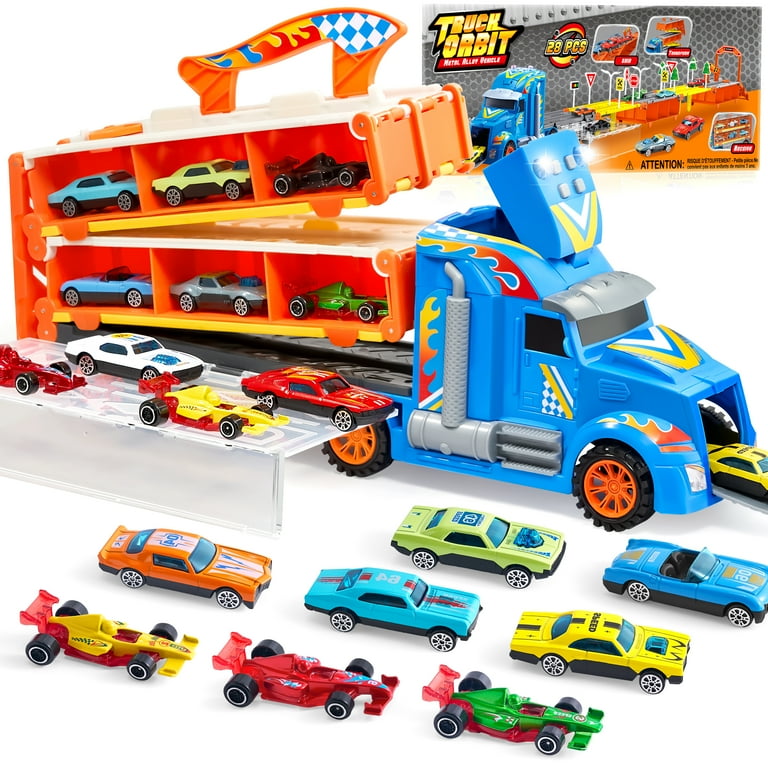
Credit: www.walmart.com
Safety Considerations
Safety is the top priority when choosing toys with lights and sounds for kids. These toys can be fun and educational. Yet, parents must check for safety features carefully. Toys that are not safe can cause harm or accidents. Understanding safety basics helps keep children safe while playing.
Many toys use batteries and small parts. These parts can be dangerous if not handled properly. Parents should always read labels and instructions. This ensures the toy matches the child’s age and abilities. Let’s explore key safety points to watch for.
Age Appropriateness
Check the recommended age on the toy’s packaging. Toys with lights and sounds are not for all ages. Small parts can cause choking in young children. Toddlers need larger, simpler toys without loose pieces. Older kids can handle more complex toys safely. Age guidelines protect children from hazards.
Material And Battery Safety
Toys must be made from non-toxic, durable materials. Soft plastics or wood are safer choices. Avoid toys with sharp edges or small detachable parts. Battery compartments should be secured with screws. Loose batteries can be swallowed and cause injury. Always test the toy for sturdiness before giving it to a child.
Balancing Screen Time And Active Play
Balancing screen time and active play is important for a child’s growth. Toys with lights and sounds can be fun, but too much can distract kids. Active play helps children move, learn, and use their imagination. Finding the right mix supports healthy development and keeps playtime exciting.
Avoiding Overstimulation
Toys with bright lights and loud sounds can cause overstimulation. Kids may feel restless or lose focus. Limiting playtime with such toys helps children stay calm. Choose toys that offer gentle sounds and soft lights. This keeps play enjoyable without overwhelming their senses.
Integrating With Other Toys
Combine light-up toys with traditional toys for balanced play. Blocks, puzzles, and dolls encourage creativity and problem-solving. Use light and sound toys to add fun, not to replace active play. This mix helps kids explore different skills and stay engaged longer.

Credit: www.amazon.com
Frequently Asked Questions
Are Toys With Lights And Sounds Safe For Kids?
Toys with lights and sounds are generally safe if they meet safety standards. Always check age recommendations and quality certifications before buying to ensure child safety.
Do Light And Sound Toys Improve Kids’ Development?
Yes, these toys can boost sensory skills and cognitive development. They stimulate visual and auditory senses, enhancing learning and creativity in young children.
Can Toys With Lights And Sounds Cause Overstimulation?
Yes, excessive exposure to these toys might overwhelm some kids. Limit playtime to prevent sensory overload and ensure balanced, healthy play experiences.
How To Choose The Best Light And Sound Toys?
Select toys based on age appropriateness, safety features, and educational value. Look for non-toxic materials and adjustable volume settings for optimal use.
Conclusion
Toys with lights and sounds can bring joy to children. They catch kids’ attention and make playtime fun. These toys can also help with learning and creativity. But too much noise or flashing lights might distract or overwhelm some kids.
Parents should choose toys that fit their child’s needs and age. Balance is key for happy and healthy play. Bright, noisy toys are good, but simple ones matter too. Kids grow by exploring many kinds of toys.
