
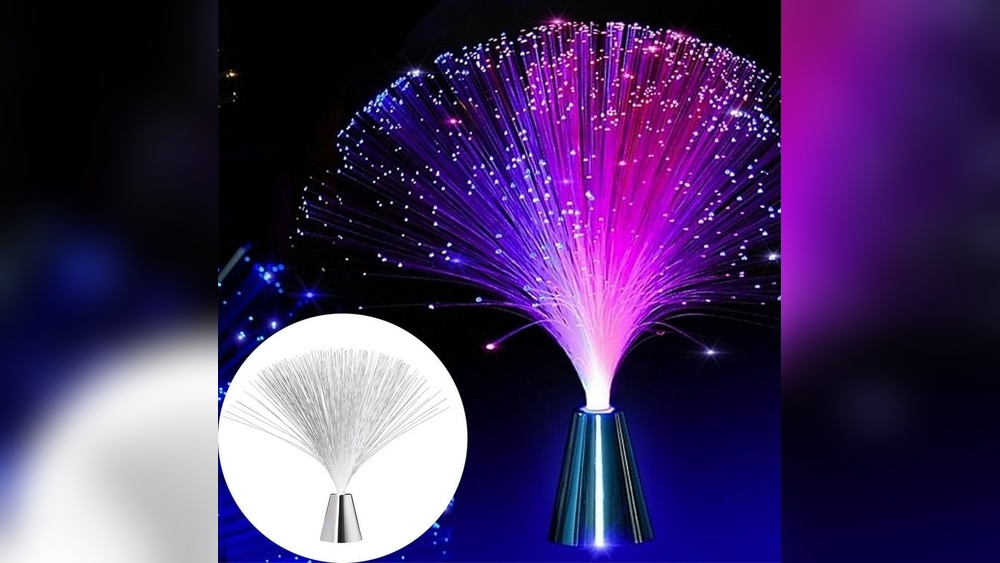
Have you ever wondered if toys with flashing lights are really safe for your child? Those bright, colorful flashes might catch your kid’s attention instantly, but could they also cause harm?
You want the best for your little one, and understanding how these toys affect their health and development is important. Keep reading to discover what experts say, what signs to watch for, and how to make smart choices for your child’s playtime.
This might change the way you think about those flashy toys forever.
Impact On Child Development
Toys with flashing lights can affect how children grow and learn. Bright lights and fast changes may impact a child’s brain and senses. These effects shape their skills in seeing, paying attention, and handling many signals at once. Understanding these impacts helps parents choose the right toys for healthy growth.
Effects On Visual Processing
Flashing lights can confuse young eyes. Children’s brains are still learning how to understand what they see. Quick flashes may make it hard for kids to focus on one thing. This confusion can slow how their eyes and brain work together. Over time, this might affect how well they recognize shapes and colors.
Influence On Attention Span
Bright, blinking lights grab a child’s attention fast. This can make children want toys that change all the time. It can become tough for them to focus on quiet or slow activities. Their attention span may become shorter. They might get bored quickly without constant stimulation.
Sensory Overload Risks
Too many flashing lights can overwhelm a child’s senses. This is called sensory overload. It can cause stress, irritability, or tiredness. Some children may even feel anxious or upset. Playing with such toys for long periods can make these feelings worse. It is important to watch for signs of overload and take breaks.

Credit: www.amazon.com
Behavioral Consequences
Toys with flashing lights can affect children’s behavior in many ways. Bright, fast lights often grab a child’s attention and hold it for longer periods. This can lead to changes in how they act and feel. Understanding these changes helps parents choose toys wisely. Below are some common behavioral effects linked to toys with flashing lights.
Hyperactivity And Excitability
Flashing lights can make kids more active and restless. The bright colors and quick flashes excite their brains. This may cause children to move around more or speak loudly. It becomes hard for them to stay calm or focus on quiet tasks. Over time, this increased energy can be tiring for both kids and parents.
Sleep Disruptions
Exposure to flashing lights before bedtime can disturb sleep. The lights can confuse a child’s natural body clock. They may find it hard to fall asleep or wake up often. Poor sleep affects mood and behavior the next day. Choosing calm, soft-light toys can help protect good sleep habits.
Aggression And Frustration
Some children may feel frustrated or angry after playing with flashing toys. The strong lights can be overwhelming or irritating. This may lead to short tempers or aggressive actions. Children might also get upset if the toy stops working suddenly. Watching for these signs helps parents manage playtime better.
Safety And Health Concerns
Toys with flashing lights can be exciting and fun for children. Yet, these toys also bring some safety and health concerns. Parents should understand these risks to keep kids safe.
Some children may face problems like eye strain or even health issues from flashing lights. Knowing these dangers helps in choosing toys wisely.
Eye Strain And Fatigue
Bright and flashing lights can cause eye strain in kids. Their eyes work harder to focus on the moving lights. This effort can lead to tired eyes and headaches. Prolonged play with such toys may make children feel worn out.
Photosensitive Epilepsy Risks
Some children have photosensitive epilepsy. Flashing lights can trigger seizures in these kids. The risk is higher with fast or bright flashes. Parents must watch for warnings on toy packages. Avoid toys with strong flashing lights if a child is sensitive.
Battery And Electrical Hazards
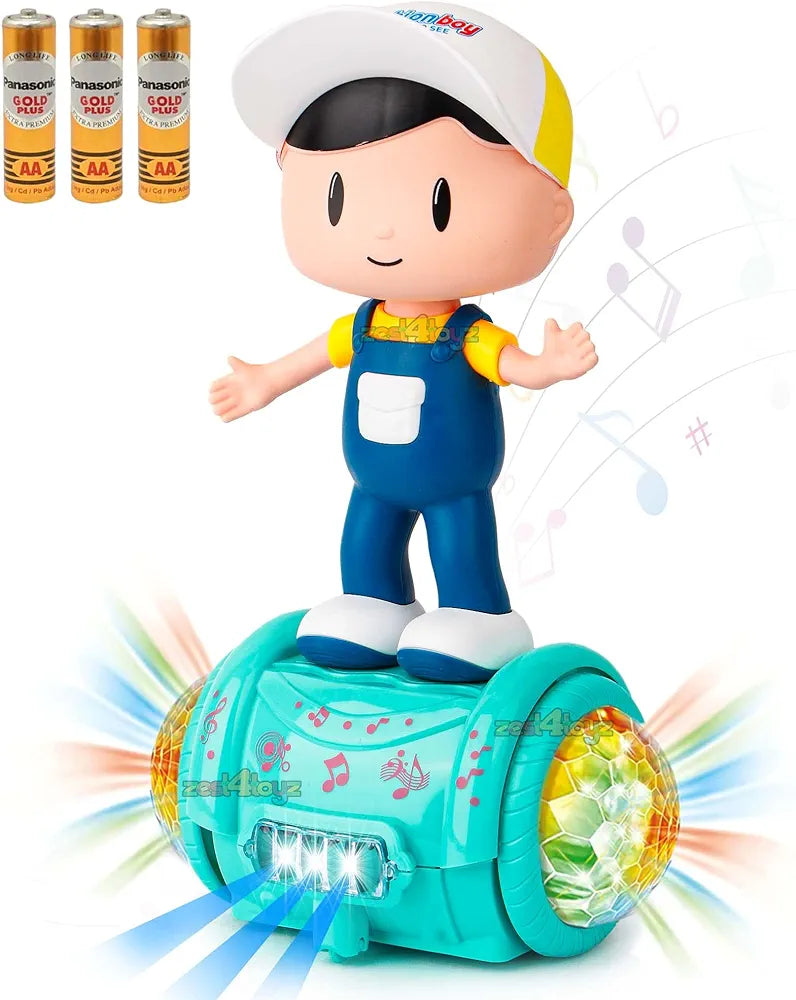
Toys with lights often use batteries or small electric parts. Loose batteries can be swallowed or cause burns. Faulty wiring might lead to shocks or fires. Always check the battery compartment and wiring. Choose toys that meet safety standards to reduce risks.
Credit: samstoy.in
Benefits Of Flashing Light Toys
Flashing light toys offer more than just bright colors and fun sounds. They provide several benefits that support a child’s growth and learning. These toys can help develop important skills while keeping kids interested and happy. Understanding these benefits can help parents choose toys wisely.
Enhancing Motor Skills
Flashing light toys encourage children to move their hands and fingers. Pressing buttons or shaking toys improves hand-eye coordination. Kids learn to control their movements better. These activities strengthen small muscles needed for writing and drawing.
Stimulating Curiosity And Engagement
Bright lights catch a child’s attention quickly. Flashing effects make toys exciting and fun to explore. Children stay focused longer on these toys. This interest helps them discover new things and enjoy playtime more.
Learning Opportunities
Many light-up toys teach cause and effect. Kids learn that pressing a button causes the lights to flash. Some toys use colors and patterns to introduce early concepts. These toys can also support language and number skills through interactive play.
Guidelines For Parents
Parents want the best for their children, especially with toys that flash lights. These toys can be fun but need careful use. Following simple rules helps keep playtime safe and happy. Here are some guidelines for parents to consider.
Choosing Age-appropriate Toys
Select toys suitable for your child’s age. Check the label for age recommendations. Younger kids may find flashing lights too bright or scary. Older children can handle more complex toys with lights. Age-appropriate toys reduce risks like eye strain or frustration.
Limiting Screen And Light Exposure
Too much flashing light can tire children’s eyes. Limit the time your child plays with light-up toys. Balance playtime with other quiet, calm activities. Short breaks during play help prevent overstimulation. This keeps children comfortable and focused.
Supervising Playtime
Watch your child while they play with light-up toys. Supervision helps you notice any signs of discomfort. If your child covers their eyes or looks away, pause play. Guide your child to use toys safely. This protects their health and makes play more fun.

Credit: www.amazon.com
Alternatives To Flashing Light Toys
Choosing toys without flashing lights can benefit kids in many ways. These toys encourage imagination and focus. They also help develop important skills. Parents can find many fun and safe options that keep children engaged and happy.
Interactive Non-light Toys
Interactive toys without lights can be very fun. Toys like puzzles, building blocks, and dolls encourage kids to think and play. These toys help improve hand-eye coordination and problem-solving skills. They also promote social play when kids share and take turns.
Educational And Creative Playthings
Educational toys help kids learn while having fun. Items like books, art supplies, and counting games support learning. Creative playthings inspire children to use their imagination. Drawing, coloring, and crafting improve fine motor skills and creativity.
Outdoor And Physical Activities
Outdoor toys encourage kids to move and explore. Balls, jump ropes, and bicycles promote exercise and coordination. Playing outside helps children stay healthy and burn energy. Physical activities also improve mood and sleep quality.
Frequently Asked Questions
Are Flashing Toys Harmful To Children’s Eyesight?
Flashing lights can strain young eyes and cause discomfort. Prolonged exposure may lead to visual fatigue. Supervise playtime and limit exposure to protect eye health.
Can Flashing Toys Trigger Seizures In Kids?
Yes, flashing lights may trigger seizures in children with photosensitive epilepsy. Always check toy labels for safety warnings. Consult a doctor if your child has a history of seizures.
Do Flashing Lights Affect Children’s Sleep Patterns?
Bright flashing lights can disrupt melatonin production and affect sleep. Avoid using these toys close to bedtime. Opt for non-flashing toys in the evening to promote better sleep.
How Do Flashing Lights Impact Kids’ Attention Spans?
Flashing lights can overstimulate children and reduce focus. They may distract from learning activities. Use flashing toys sparingly to maintain healthy attention spans.
Conclusion
Toys with flashing lights can be fun but may cause issues. Some kids might feel overwhelmed or distracted by bright flashes. Too much flashing light can affect sleep and focus. Parents should watch how their children react to these toys.
Choosing toys without constant lights can help balance playtime. Remember, every child is different and needs different kinds of play. Safe, simple toys often support better learning and rest. Keep playtime enjoyable and healthy by making smart choices.
