
Have you ever wondered if toys really help your child grow, or if they’re just fun distractions? You might be surprised to learn that toys do much more than keep kids busy.
They can boost creativity, improve skills, and even support emotional growth. If you want to know how the right toys can make a real difference in your child’s development, keep reading. This article will show you why toys are more than just playthings—they’re powerful tools for your child’s future.

Credit: www.tptoys.com
Benefits Of Toys For Kids
Toys play a big role in a child’s growth and learning. They are more than just fun objects. Toys help children develop many important skills. They also support healthy habits and build confidence. Parents and teachers see toys as tools for learning and play.
Choosing the right toys helps kids grow in many ways. The benefits include creativity, thinking skills, physical health, and social skills. Each type of play supports a different part of a child’s development.
Enhancing Creativity
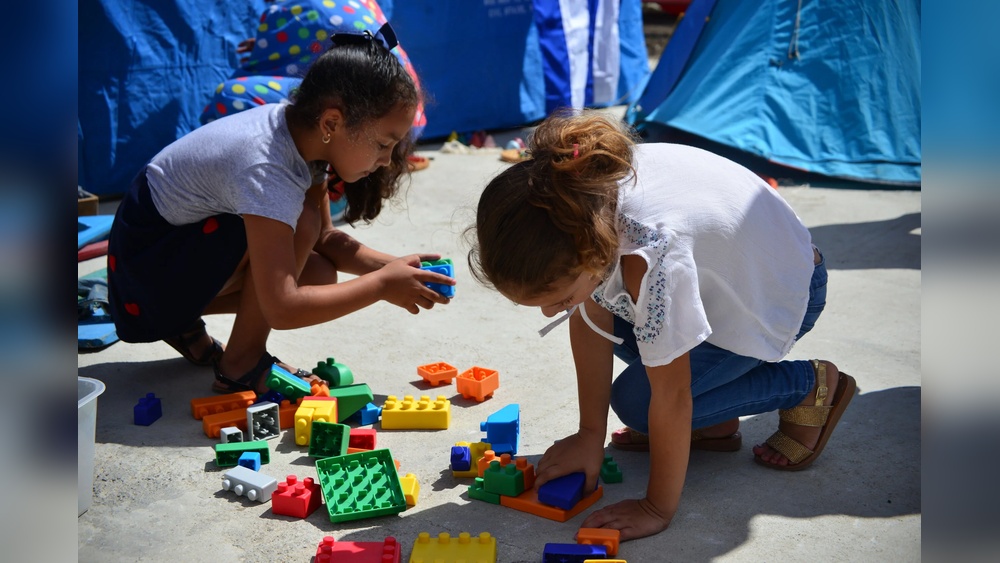
Toys inspire children to use their imagination. Building blocks, dolls, and art sets let kids create new worlds. This kind of play encourages original thinking. Kids learn to solve problems by trying different ideas. Creativity grows as children play freely and invent stories.
Boosting Cognitive Skills
Puzzles and educational toys help children think clearly. These toys improve memory, attention, and logic. Kids learn shapes, numbers, and colors while playing. This type of play builds strong brain connections. It prepares children for school and future learning.
Encouraging Physical Development
Active toys support a child’s body growth. Balls, bikes, and jump ropes make kids move and exercise. Physical play strengthens muscles and improves coordination. It also helps with balance and fine motor skills. Healthy bodies make it easier for kids to learn and play.
Promoting Social Interaction
Group games and toys teach children how to share and cooperate. Playing with others builds communication and teamwork skills. Kids learn to take turns and follow rules. These social skills are important for making friends. Toys bring children together and help them connect.

Credit: www.todaysparent.com
Types Of Toys And Their Impact
Toys play a big role in a child’s growth. Different types help develop different skills. Choosing the right toys can boost learning and fun. Understanding the impact of various toys guides parents to better choices.
Each toy type supports unique abilities. Some teach problem-solving and logic. Others encourage physical activity or creativity. Let’s explore the main types and their benefits.
Educational Toys
Educational toys help children learn new things. They improve memory, thinking, and language skills. Puzzles, blocks, and number games are popular examples. These toys make learning feel like play. They encourage curiosity and focus in young minds.
Outdoor Toys
Outdoor toys promote physical health and social skills. Bikes, balls, and jump ropes get kids moving. Playing outside improves strength and coordination. Kids also learn teamwork and sharing with friends. These toys support active and healthy lifestyles.
Tech-based Toys
Tech toys introduce children to technology in fun ways. Tablets, coding kits, and electronic games teach new skills. They enhance problem-solving and digital literacy. These toys prepare kids for a tech-driven world. Parents should balance screen time with other play.
Creative And Artistic Toys
Creative toys inspire imagination and self-expression. Art supplies, building sets, and musical instruments fit here. They help kids develop fine motor skills and originality. These toys boost confidence and emotional growth. Creativity through play fosters lifelong skills.
Choosing Age-appropriate Toys
Choosing age-appropriate toys helps children learn and play safely. Toys should match a child’s skills and interests. This choice supports their growth and avoids frustration. Each age group needs different types of toys. These toys encourage exploration and creativity at the right level.
Toys For Toddlers
Toddlers benefit from toys that develop motor skills. Simple puzzles, stacking blocks, and soft toys work well. Bright colors and different textures keep their attention. Toys that make sounds can also help with learning. Safety is very important for this age group.
Toys For Preschoolers
Preschoolers enjoy toys that spark imagination. Building sets, dress-up clothes, and art supplies fit well. These toys help with language and social skills. They also improve problem-solving and hand-eye coordination. Look for toys that encourage group play and sharing.
Toys For Older Children
Older children need toys that challenge their minds. Science kits, board games, and sports equipment are good choices. These toys promote critical thinking and teamwork. They also support physical activity and hobbies. Select toys that match their growing skills and interests.
Balancing Playtime And Screen Time
Balancing playtime and screen time is important for a child’s growth. Toys help children learn and explore. Screens offer entertainment and information. Both have good points and challenges. Finding the right mix helps kids stay healthy and happy.
Too much screen time can cause eye strain and reduce physical activity. Play with toys encourages movement and creativity. Parents must guide children to enjoy both in a balanced way.
Interactive Play Vs. Passive Play
Interactive play means kids use toys that need thinking or moving. Examples include building blocks or puzzles. This type of play helps brain and motor skills. It also improves social skills when kids play together.
Passive play usually means watching videos or playing simple games on screens. It does not require much thought or movement. Too much passive play can make children less active and less creative.
Choosing toys that invite interaction is better for children’s development. It keeps their minds and bodies busy.
Setting Healthy Boundaries
Setting clear rules about playtime and screen time helps kids learn balance. Parents can set a daily limit for screen use. For example, one hour of screens and one hour of active play.
Children feel safe with consistent routines. It also helps them enjoy different activities. Parents should join playtime sometimes to encourage good habits.
Clear boundaries teach children to manage their time well. This habit will help them as they grow older.
Toys And Emotional Development
Toys play a key role in children’s emotional growth. They help kids express feelings and understand emotions. Through play, children learn to face challenges and build social skills. Toys offer a safe space for kids to explore emotions like joy, frustration, and empathy.
Building Confidence
Toys give children chances to try new things. Completing puzzles or building blocks makes kids feel proud. This success boosts their confidence and self-esteem. Confident kids are more willing to explore and learn.
Encouraging Problem-solving
Many toys challenge children to think and find solutions. Toys like puzzles or construction sets require focus and patience. Solving these problems helps kids develop critical thinking skills. These skills are important for emotional control and decision-making.
Fostering Empathy
Role-playing toys, like dolls or action figures, teach empathy. Children act out feelings and situations, understanding others better. This play helps kids recognize emotions in themselves and others. Empathy leads to kinder, more caring relationships.
Safety Tips When Selecting Toys
Choosing the right toys for children is very important. Safety should be the top priority. Toys can bring joy and learning, but only if they are safe. Parents and caregivers need to be careful when picking toys. This section shares simple tips to keep kids safe while playing.
Checking For Non-toxic Materials
Always check the materials used in toys. Some toys have harmful chemicals that can hurt children. Look for labels that say “non-toxic.” Toys made from safe materials protect kids from allergies and poisoning. Avoid toys with paint or coatings that can chip off easily. Choose items made from natural or tested plastics.
Avoiding Small Parts
Small parts can be dangerous for young kids. They might choke on tiny pieces. Avoid toys with loose or small detachable parts for children under three years old. Check if parts are firmly attached and cannot break off easily. Bigger parts reduce choking risks and make play safer.
Age Recommendations
Each toy has an age guideline. These recommendations help match toys to children’s skills and safety levels. Follow the age advice on the package. Toys for older kids may have sharp edges or small pieces. Giving age-appropriate toys helps children enjoy play safely and learn better.
Credit: raisingchildren.net.au
Frequently Asked Questions
Are Toys Important For Child Development?
Yes, toys stimulate creativity, problem-solving, and motor skills in children. They enhance cognitive and emotional growth effectively.
How Do Toys Benefit Social Skills In Kids?
Toys encourage sharing, cooperation, and communication. Playing with others helps children develop empathy and teamwork abilities.
Can Toys Improve A Child’s Learning Abilities?
Absolutely, educational toys boost memory, concentration, and critical thinking. They make learning interactive and fun for kids.
What Types Of Toys Are Best For Toddlers?
Simple, safe, and colorful toys that promote sensory exploration are ideal. Examples include blocks, puzzles, and shape sorters.
Conclusion
Toys help children learn and grow every day. They boost creativity and build important skills. Playing with toys makes kids happy and confident. Parents should choose safe, age-appropriate toys. Balance is key—too many toys can distract children. Simple toys often encourage more imagination and fun.
Overall, toys play a valuable role in childhood development. They bring joy while teaching essential lessons. Giving kids the right toys supports their bright future.
