
Are you wondering if toys from unknown brands are safe for your child? When it comes to your little one’s playtime, safety is always the top priority.
You want to make sure that every toy they hold is free from harmful materials and built to last. But with so many options out there, how can you be sure that a lesser-known brand won’t put your child at risk?
Keep reading to discover the key things you need to look out for before buying toys from unknown brands—and how to protect your child without breaking the bank. Your peace of mind and your child’s safety are closer than you think.
Risks Of Unknown Brand Toys
Toys from unknown brands might seem like a good deal. Their low price can be tempting. But these toys carry risks that parents should know. Safety is the biggest concern. Kids play with toys every day. Unsafe toys can cause harm quickly.
Many unknown brands do not follow strict safety rules. This raises serious questions about the toys’ quality and materials. Parents must be aware of the dangers before buying.
Potential Safety Hazards
Toys from unknown brands often have sharp edges or small parts. These can cause cuts or choking. Poor design or loose pieces increase injury risk. Some toys break easily and create dangerous fragments. These hazards can lead to accidents during playtime.
Lack Of Quality Control
Known brands usually test toys thoroughly. Unknown brands may skip these checks. Without quality control, toys might be fragile or poorly made. This means they wear out fast or fail unexpectedly. Low-quality toys do not protect children as well as tested ones.
Hidden Toxic Materials
Some unknown brand toys use harmful chemicals in paints or plastics. These toxins can be dangerous if children chew or lick toys. Toxic materials may cause allergies or long-term health problems. Safe toys follow strict rules about material safety. Unknown toys often do not meet these standards.
Key Safety Standards To Look For
Choosing safe toys is important for every child’s health and happiness. Toys from unknown brands can be risky without clear safety signs. Parents must check for key safety standards before buying. These standards help ensure toys are tested and safe to use.
Certification Labels
Certification labels show a toy meets safety rules. Look for marks like CE, ASTM, or EN71. These mean the toy passed tests for hazards. Certified toys are less likely to have small parts or toxic chemicals. Always check for these labels on the packaging.
Age-appropriate Ratings
Age ratings guide which toys are safe for certain kids. Toys for older children may have small parts that are dangerous for toddlers. Follow the age label to avoid choking risks or injuries. Never buy toys labeled for older children for young kids.
Material Safety Guidelines
Materials used in toys affect child safety. Avoid toys with harmful chemicals or sharp edges. Safe toys use non-toxic paints and plastics. Look for toys made from BPA-free or phthalate-free materials. Clean, smooth, and sturdy toys reduce risk of harm.
Tips To Verify Toy Safety
Choosing toys from unknown brands can be tricky. Safety is the top concern for parents and caregivers. Simple steps help verify if a toy is safe. These tips can guide you to make a smarter choice.
Researching Brand Reputation
Start by searching the brand’s background online. Check if the brand follows safety standards. Look for any past recalls or safety warnings. A trustworthy brand usually shares clear information about their products.
Checking Customer Reviews
Read reviews from other buyers. Pay attention to comments about safety and quality. Notice if many customers report broken parts or hazards. Honest reviews reveal real experiences with the toy.
Testing Small Parts And Durability
Examine the toy for small pieces that can come off. Small parts pose choking risks, especially for young kids. Test if parts fit tightly and do not break easily. Durable toys last longer and keep children safe.

Credit: x.com
Safe Shopping Practices
Shopping for toys from unknown brands needs care. Safety matters most for your child’s well-being. Following smart shopping steps helps avoid risks. It ensures the toy is safe and fun to use.
Buying From Trusted Sellers
Choose sellers with good reviews and ratings. Trusted sellers offer genuine products and clear return policies. They usually provide details about safety standards. Buying from them reduces chances of poor quality toys.
Avoiding Counterfeit Products
Check for signs of fake products. Look for correct logos, labels, and packaging. Counterfeit toys may have sharp edges or toxic materials. Avoid deals that seem too cheap or suspicious. Safe toys meet legal safety requirements.
Reading Product Descriptions Carefully
Read every detail in the product description. Check the age recommendation and materials used. Look for safety certificates or testing information. Clear descriptions help confirm the toy’s safety and quality.
What To Do If A Toy Is Unsafe
Discovering a toy that seems unsafe can worry any parent or guardian. Knowing the right actions helps protect children from harm. Acting quickly can prevent accidents and keep playtime fun.
Reporting To Authorities
Notify your local consumer protection agency about the unsafe toy. This helps stop other children from getting hurt. Provide details like where you bought it and what is wrong. Authorities may investigate and recall the toy.
Returning Or Disposing Safely
Return the toy to the store if possible. Ask for a refund or exchange. If returning is not an option, dispose of the toy carefully. Wrap it securely to avoid accidents in the trash.
Educating Children About Toy Safety
Teach children to spot unsafe toys early. Show them signs like loose parts or sharp edges. Encourage asking adults before playing with new toys. This builds good safety habits for the future.

Credit: www.nurseryworld.co.uk
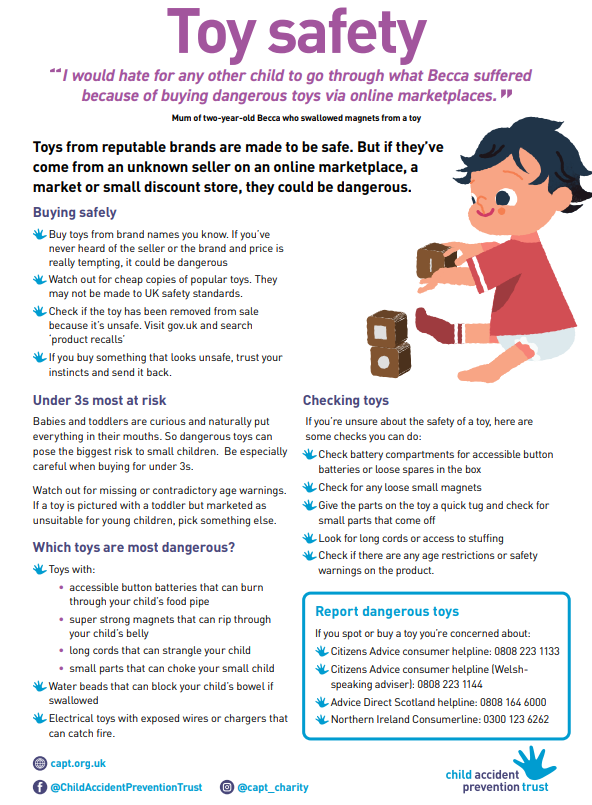
Credit: x.com
Frequently Asked Questions
Are Toys From Unknown Brands Safe For Children?
Toys from unknown brands may lack safety certifications. Always check for quality marks and reviews before buying. Avoid toys with small parts for young children to prevent choking hazards.
How To Identify Safe Toys From Unknown Brands?
Look for safety labels like ASTM, EN71, or CPSIA. Inspect materials and construction quality. Read customer feedback and avoid toys with sharp edges or toxic paint.
What Risks Do Unknown Brand Toys Pose?
Unknown brands may use harmful materials or poor craftsmanship. This can cause choking, poisoning, or injury. Always prioritize toys with clear safety standards and trusted sources.
Can Unknown Brand Toys Cause Allergic Reactions?
Yes, some toys may contain allergens or toxic chemicals. Check ingredient lists and certifications. If unsure, consult a pediatrician before allowing children to play with them.
Conclusion
Toys from unknown brands can be risky. Safety standards may not be clear. Always check for labels and warnings. Choose toys with good reviews and trusted sellers. Small parts or toxic materials can harm children. Parents should stay alert and informed.
Safe playtime means happy children and peace of mind. Keep these tips in mind when buying toys. Safety should always come first.
