
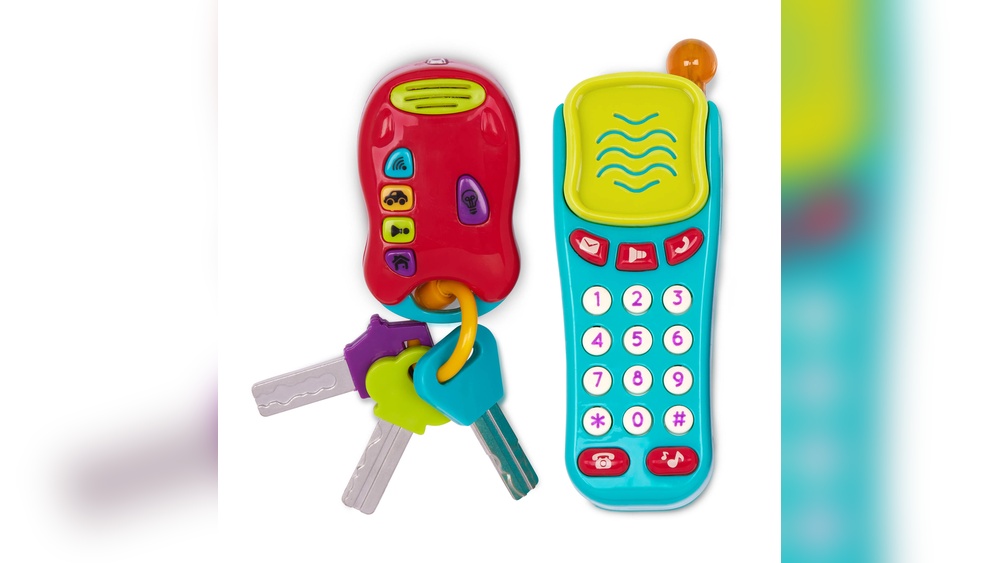
Are you wondering if toy phones are a good choice for your kids? You might think they’re just simple playthings, but these colorful gadgets can actually do a lot more than you expect.
Imagine your child learning new words, developing fine motor skills, and having fun all at the same time. Wouldn’t you want a toy that keeps them engaged and helps their growth? Keep reading to discover the surprising benefits of toy phones and how they can be a smart addition to your child’s playtime.

Credit: www.amazon.com
Boosting Communication Skills
Toy phones offer more than just fun. They can help kids improve how they talk and listen. These toys create a playful space for children to practice important communication skills. Through pretend calls, kids learn to express themselves clearly and understand others better. This early practice builds a strong base for real-life conversations.
Encouraging Verbal Expression
Toy phones invite kids to speak out loud. They mimic real phone chats, which helps children find words to express feelings and ideas. Talking on a toy phone boosts confidence. Kids try new sounds and sentences. They get used to starting and keeping a conversation going. This play supports language growth and helps children use words with purpose.
Building Listening Abilities
Listening is key to good communication. Toy phones encourage kids to pay attention. During pretend calls, children listen carefully to respond correctly. This practice sharpens focus and understanding. It teaches patience and waiting for a turn to speak. Listening skills learned through play carry over to real-world talks, making children better friends and learners.
Enhancing Imagination
Toy phones offer more than just play. They help children grow their imagination in exciting ways. Kids pretend and create stories, which builds their thinking and creativity. These toys become tools for exploring new ideas and roles.
Role-playing Scenarios
Toy phones invite children to act out different roles. They pretend to be parents, doctors, or teachers. This kind of play helps kids understand the world around them. They learn social skills and practice talking. Role-playing builds confidence and communication.
Creative Storytelling
Using a toy phone, children make up stories and conversations. They imagine friends and adventures on the other end. This storytelling boosts language skills and creativity. It encourages kids to think outside the box. Each call becomes a new chance to invent and explore.
Developing Fine Motor Skills
Toy phones help children build fine motor skills. These skills involve small movements using fingers and hands. Fine motor skills are important for daily tasks like writing and dressing. Playing with toy phones gives kids practice with these skills in a fun way.
Button Pressing And Dialing
Pressing buttons on toy phones strengthens finger muscles. Kids learn to control pressure and finger movements. Dialing numbers improves finger coordination and timing. These actions help children develop precision and control.
Hand-eye Coordination
Using a toy phone also boosts hand-eye coordination. Kids watch their fingers while pressing buttons or turning dials. This activity trains their brain to connect sight and movement. Better hand-eye coordination supports many learning activities.
Introducing Technology Basics
Toy phones help children start learning about technology early. These toys mimic real phones and give kids a safe way to explore. This early exposure can build comfort with devices they will use later in life.
Introducing technology in small steps helps children understand how gadgets work. It also sparks curiosity and encourages them to ask questions. Toy phones can be the first step in this learning journey.
Familiarity With Devices
Toy phones make children familiar with the shape and buttons of real phones. Kids learn how to hold devices properly and press buttons. This familiarity reduces fear or confusion about technology.
Handling toy phones helps children recognize sounds and lights from devices. They start to understand cause and effect. This hands-on experience builds basic tech skills naturally.
Early Digital Literacy
Toy phones introduce simple concepts of digital literacy to young minds. Kids learn about numbers, letters, and basic communication through play. This early learning supports later reading and math skills.
Playing with toy phones also teaches patience and focus. Children learn to wait for responses and follow simple instructions. These skills are important for using real technology later.
Fostering Social Interaction
Toy phones offer more than just fun sounds and lights. They help children build social skills. Playing with toy phones encourages kids to talk and interact. This interaction is key for learning how to communicate well with others.
Children can practice important social habits through pretend phone calls. These habits help them understand others better. They also learn how to express their feelings clearly. Toy phones create a safe space for these early conversations.
Playing With Peers
Kids often use toy phones to play with friends. They pretend to make calls or share stories. This play helps children learn how to listen and respond. It builds confidence in talking with others. Playing with peers teaches kids about social cues and emotions.
Sharing And Turn-taking
Toy phones also teach children how to share. Kids learn to wait for their turn to speak. This patience is important in all social settings. Taking turns with the toy phone shows respect for others. It helps children understand fairness and cooperation.

Credit: www.amazon.com
Safe And Age-appropriate Play
Safe and age-appropriate play is very important for kids. Toys should help children learn while keeping them safe. Toy phones are made with care to meet these needs. They offer a fun way to play without risks. Parents want toys that fit their child’s age and abilities. Toy phones meet these goals well.
Non-toxic Materials
Toy phones are made from safe, non-toxic materials. These materials do not harm children if touched or mouthed. Manufacturers avoid harmful chemicals like lead or BPA. This ensures that kids stay healthy during play. Non-toxic materials give parents peace of mind. Toys that meet safety standards protect kids from danger.
Designed For Small Hands
Toy phones are designed for little hands to hold easily. They have smooth edges to avoid cuts or scratches. Buttons and parts are big enough to prevent choking hazards. The size and weight suit toddlers and preschoolers perfectly. This design helps kids develop motor skills. Toys that fit well make play more fun and safe.
Choosing The Right Toy Phone
Choosing the right toy phone for kids can shape their playtime and learning. A good toy phone entertains and teaches. It helps kids develop skills like communication and creativity. Parents should focus on safety, fun, and education when selecting a toy phone. The right choice makes playtime safe and joyful.
Features To Look For
Look for toy phones with bright colors and large buttons. They attract children’s attention and are easy to use. Sound effects and music add fun and engagement. Toys with numbers and letters help with early learning. Durable and non-toxic materials keep kids safe. Some toy phones have interactive screens and lights. These features improve hand-eye coordination and sensory skills. Volume control is important to protect young ears.
Age Suitability
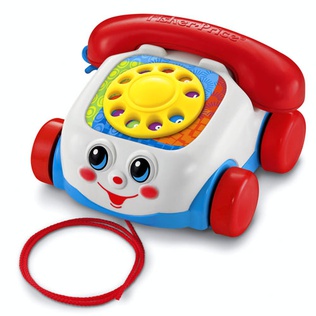
Check the recommended age on the toy phone packaging. Toys for toddlers are simple with fewer buttons. Older kids may enjoy phones with more features. Age-appropriate toys match a child’s development level. This ensures the toy is neither too easy nor too hard. Proper age suitability reduces frustration and increases fun. Always choose a toy phone that fits your child’s age group.
Credit: en.wikipedia.org
Frequently Asked Questions
Are Toy Phones Safe For Young Children?
Yes, toy phones are generally safe if they meet safety standards. Choose non-toxic, durable materials and avoid small parts to prevent choking hazards.
How Do Toy Phones Benefit Child Development?
Toy phones enhance communication skills, imagination, and fine motor abilities. They encourage role-play, social interaction, and early learning through fun engagement.
Can Toy Phones Replace Real Phone Usage For Kids?
Toy phones are great for pretend play but don’t replace real phone use. They help children learn responsibly before using actual devices.
What Age Is Suitable For Toy Phone Usage?
Toy phones suit toddlers and preschoolers, typically ages 1 to 5. Choose age-appropriate models with simple functions for best developmental support.
Conclusion
Toy phones can help kids learn and play safely. They encourage creativity and imagination. Kids enjoy pretending to talk and explore sounds. Toy phones do not expose children to real phone risks. Parents should choose toys that match their child’s age.
Simple designs work best for young kids. Playtime with toy phones supports social and language skills. Overall, toy phones offer fun and learning in one. A small, safe step into the world of communication. Great for early childhood development and joyful play.
