
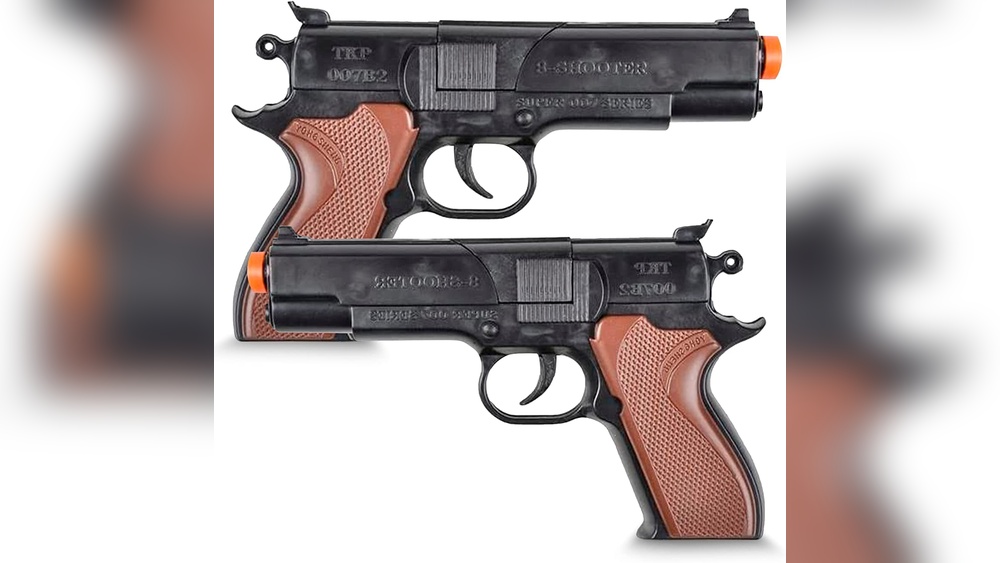
Are toy guns safe for kids? If you’re a parent or caregiver, this question might keep crossing your mind every time your child asks for one.
You want your child to have fun, but you also want to keep them safe from harm. It’s natural to worry about whether these toys could cause accidents or send the wrong message. You’ll discover the important facts and expert advice that can help you make the best choice for your child’s playtime.
Keep reading to find out what you need to know before saying yes to that toy gun.
Types Of Toy Guns
Toy guns come in many shapes and styles. Each type offers different play experiences and safety levels. Understanding these types helps parents choose the right toy for their kids. Below are some common types of toy guns and their features.
Soft Projectile Guns
Soft projectile guns shoot foam darts or balls. These toys are popular because the ammo is light and soft. They reduce the risk of injury during play. Kids can enjoy safe target practice and friendly battles. Always check that the darts fit the gun properly to avoid jams.
Water Guns
Water guns spray water instead of bullets. They are perfect for outdoor play on hot days. Water guns encourage active and social play. They also pose little risk of harm. Make sure children use them in safe areas to avoid slippery surfaces.
Cap Guns
Cap guns create a small popping sound using caps. They add excitement without real danger. Caps are small and must be used carefully. These guns look like real ones but are harmless. Parents should supervise to prevent misuse of caps.
Laser Tag Guns
Laser tag guns use light beams for play. They require sensors and special gear to work. Laser tag promotes teamwork and strategy. The guns do not shoot physical objects, making them very safe. This type is ideal for indoor and group play.

Credit: www.amazon.com
Potential Risks Of Toy Guns
Toy guns seem harmless but carry several risks for children. Parents should know these dangers to keep kids safe. Some risks involve physical harm, while others affect mental health.
Injury Hazards
Toy guns can cause injuries if not used carefully. Children may hit themselves or others by accident. Some toy guns shoot small plastic pellets or darts. These can hurt eyes or skin. Rough play with toy guns often leads to bumps and bruises.
Choking And Small Parts
Many toy guns have small pieces that can break off. Young children might put these parts in their mouths. This creates a choking hazard. Always check toy guns for loose or tiny parts. Keep toys with small parts away from toddlers.
Confusion With Real Firearms
Toy guns that look real can cause serious problems. Police or adults may mistake them for real weapons. This confusion can lead to dangerous situations. Bright colors and clear markings help show a toy gun is fake. Choosing toys that look less realistic reduces risks.
Psychological Impact
Playing with toy guns can affect how children think about violence. Some kids may become more aggressive or anxious. Constant exposure to toy guns might normalize harmful behavior. Parents should watch how children react to these toys. Encouraging peaceful play supports healthy emotional growth.
Age-appropriate Toy Guns
Choosing the right toy gun depends on the child’s age and growth. Age-appropriate toy guns keep playtime safe and fun. They help avoid risks and make sure kids enjoy without harm.
Understanding the right age for different toy guns is important. Toys made for older kids may have small parts or strong features. These can be unsafe for younger children. Playing with the right toys supports learning and creativity safely.
Recommended Age Groups
Toy guns come with age labels from manufacturers. These labels guide parents on safe use. For example, soft foam dart guns suit kids 6 and up. Simple water pistols work well for younger children. Avoid toys with small parts for toddlers under 3 years.
Choosing Based On Child’s Development
Every child grows at a different pace. Some may handle complex toys earlier than others. Watch how your child plays and reacts. If they show good hand-eye coordination, they might use advanced toys safely. Choose toys that match their skills and understanding.
Supervision Guidelines
Adult supervision is key during play with toy guns. Stay close to guide safe behavior and prevent accidents. Explain rules clearly before play starts. Check toys regularly for damage or loose parts. Supervision helps children learn respect for toys and others.

Credit: artcreativity.com
Safety Features To Look For
Safety matters most when choosing toy guns for kids. Certain features make toys safer and reduce risks. These features help parents pick the right toys that protect children from harm.
Check these key safety features before buying a toy gun. They ensure the toy is fun and secure for playtime.
Bright Colors And Markings
Toys should have bright colors like orange or neon shades. These colors show the toy is not a real gun. Clear markings or labels also help. They make it easy to tell the toy apart from actual weapons. This reduces confusion and keeps kids safe in public places.
Soft And Safe Materials
Choose toy guns made from soft plastics or foam. These materials prevent injuries if kids fall or hit each other. Avoid hard or sharp parts. Soft materials also make the toy lighter and easier for kids to handle. Safety starts with the right materials.
Built-in Safety Mechanisms
Some toy guns include safety locks or trigger guards. These stop the toy from firing accidentally. Other toys have limited firing power to avoid harm. Safety mechanisms protect kids and others during play. Toys with these features provide extra peace of mind.
Safe Usage Practices
Safe usage practices help keep kids and others protected during play. Teaching children how to use toy guns properly lowers risks. Clear rules and careful handling create a safer environment for fun.
Parents and caregivers play a key role in guiding safe play. Setting limits and supervising can prevent accidents and misunderstandings. The right habits make toy gun play enjoyable and secure.
Setting Rules For Play
Establish clear rules before play begins. Explain that toy guns are for pretend only. No aiming at faces or animals. Share rules about when and where toy guns can be used. Consistent reminders help children remember these limits.
Avoiding Sensitive Areas
Teach kids to never point toy guns at eyes or faces. Avoid aiming at people who feel uncomfortable. Keep play away from crowded or public spaces. Avoid using toy guns near real weapons or law enforcement. Respect for others’ feelings is important.
Proper Storage
Store toy guns safely after use. Keep them out of reach of very young children. Use a designated box or shelf for toy guns only. Proper storage prevents damage and confusion with real guns. Teach kids to put toys away after playing.
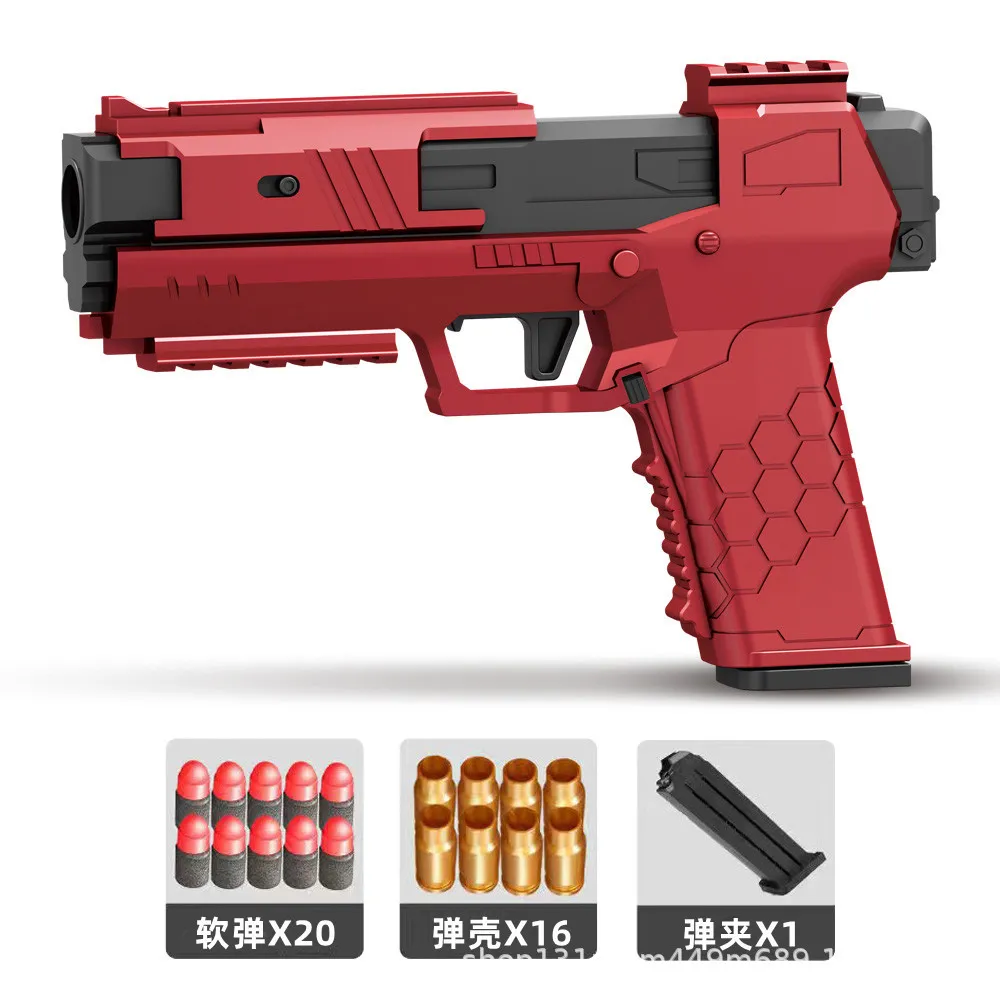
Credit: maiamidwifery.com
Teaching Kids About Toy Gun Safety
Teaching kids about toy gun safety is very important. It helps children play safely and understand limits. Parents and guardians play a big part in this learning process. Clear guidance can prevent accidents and confusion.
Children must know the difference between toys and real guns. This knowledge builds respect and responsibility. It also teaches them to handle toys carefully.
Role Of Parents And Guardians
Parents and guardians should set clear rules about toy gun use. They must watch children during play to ensure safety. Talking openly about dangers helps kids listen and learn. Adults can model safe behavior to guide children well.
Educating On Differences Between Toys And Real Guns
Explain to kids that toy guns are not real weapons. Show how real guns can cause serious harm. Use simple words to describe why real guns need caution. Teach children never to touch real guns without adult permission.
Promoting Respect And Responsibility
Encourage kids to treat toy guns with care and respect. Teach them to use toys only in safe places. Explain that gun play is just pretend, not real fighting. Responsibility grows when children understand safety rules.
Legal Regulations And Guidelines
Understanding legal rules helps keep kids safe when playing with toy guns. Laws and guidelines tell us what is allowed and what is not. These rules protect children from harm and help parents choose safe toys.
Toy Gun Safety Standards
Safety standards set clear rules for toy gun design. These rules limit size, color, and materials used. Bright colors help show the toy is not real. Materials must be non-toxic and strong to avoid injury. Standards also control the power of toy guns.
Local Laws And Restrictions
Different places have different laws about toy guns. Some cities ban toy guns that look real. Others require an orange tip on the barrel. Rules may limit where kids can use toy guns. Parents should check local laws before buying one.
Manufacturer Recommendations
Manufacturers provide safety advice on packaging and manuals. They suggest the right age for each toy gun. Warnings explain risks and safe use tips. Following these instructions reduces accidents. Always read and follow the manufacturer’s guidelines carefully.
Frequently Asked Questions
Are Toy Guns Safe For Children To Play With?
Toy guns are generally safe if made from non-toxic materials. Supervision and age-appropriate design reduce risks. Always check for safety certifications before purchase.
How To Ensure Toy Guns Are Safe For Kids?
Choose toys with clear safety labels and age recommendations. Avoid realistic designs to prevent confusion. Teach children proper use and respect for toy guns.
Can Toy Guns Cause Accidents Or Injuries?
Yes, improper use or lack of supervision may lead to minor injuries. Educate kids on safe play and avoid aiming at faces or animals.
Do Toy Guns Affect Children’s Behavior Negatively?
Research shows mixed results. Most children understand toy guns are for play. Parental guidance helps promote positive behavior and responsible play.
Conclusion
Toy guns can be safe if used with care and rules. Parents should choose models made from non-toxic materials. Teach children to never point toy guns at people or animals. Always supervise playtime to prevent accidents or misunderstandings. Clear communication helps kids understand the difference between toys and real weapons.
Safety gear like eye protection adds an extra layer of caution. Remember, safety depends on responsible use and good habits. With proper guidance, kids can enjoy toy guns safely and happily.
