
Have you ever wondered if toy guns are really harmless fun for your kids? It’s a question that many parents face, and the answer isn’t as simple as it seems.
You want to keep your child safe and happy, but you also don’t want to block their creativity or playtime. What if the toys they hold now could shape how they see the world later? Keep reading to discover surprising facts about toy guns and how they might affect your child’s behavior and development.
This could change the way you think about those colorful plastic toys.
:max_bytes(150000):strip_icc()/pink-toy-gun-d837991e-ba1e7d9fb3ec4a2a8585d171397dddd7.jpg)
Credit: www.parents.com
Impact On Child Behavior
Toy guns can affect how children behave. Understanding these effects helps parents make smart choices. Play influences learning, feelings, and actions. Toys shape the way children think and act. Examining the impact on behavior reveals both good and bad sides.
Aggression And Violence
Toy guns may increase aggressive play in some kids. Acting out battles can teach rough behavior. Some children might copy what they see in media. Others use toy guns to explore conflict safely. Not all kids become violent from toy guns.
Imagination And Creativity
Toy guns can boost creative play. Kids create stories and pretend adventures. They develop problem-solving skills through role-playing. Imagination grows when children invent new games. Play with toy guns can be a creative outlet.
Social Interaction
Playing with toy guns often happens with friends. It builds teamwork and communication skills. Kids learn to follow rules and take turns. Conflicts may arise but teach conflict resolution. Social play helps children understand others better.
Safety Concerns
Toy guns can seem fun and harmless. Yet, safety concerns often arise. Parents and experts worry about risks linked to these toys. Understanding these risks helps keep children safe.
Accidental Injuries
Toy guns can cause accidental injuries. Kids may hurt themselves or others during play. Small parts can choke younger children. Hard plastic pieces might hit the eyes or face. Supervision is key to prevent harm.
Confusion With Real Guns
Some toy guns look very real. This can confuse kids and adults alike. Police or strangers might mistake them for real weapons. This confusion can lead to dangerous situations. Bright colors or clear markings can reduce risks.
Legal Implications
There are legal rules about toy guns in many places. Some areas ban realistic-looking toy guns. Carrying such toys in public can lead to fines or trouble. Knowing local laws helps avoid problems. Safety and law go hand in hand.
Psychological Effects
Toy guns can affect children’s minds in different ways. Understanding these effects helps parents decide what is best. Psychological impacts can shape how kids think and feel about the world around them.
Fear And Anxiety
Some children may feel scared when playing with toy guns. Loud noises or sudden movements might cause anxiety. This fear can stay even after the play ends. It may affect how children react to real-life situations involving danger.
Desensitization To Violence
Playing with toy guns often may make kids less sensitive to violence. They might see aggressive behavior as normal or fun. This can lead to a lack of understanding about real harm and pain. Over time, children may not take violence seriously.
Emotional Development
Toy guns can influence how children learn to manage feelings. Some kids might express anger or frustration through play. Others may struggle to develop empathy for others. Emotional growth depends on many factors, including the type of toys kids use.
Parental Guidance Tips
Parental guidance plays a key role in managing toy gun use among children. It helps ensure safety and teaches important values. Parents can guide kids to enjoy playtime responsibly. Clear rules and thoughtful choices make a big difference. Here are some tips for parents to consider.
Setting Boundaries
Set clear rules about when and where toy guns can be used. Explain that toy guns are for play only and not for real fighting. Teach kids to respect others’ feelings during play. Supervise playtime to prevent unsafe behavior. Consistent boundaries help children understand limits and play safely.
Choosing Age-appropriate Toys
Select toy guns that match the child’s age and maturity. Younger children need simpler, less realistic toys. Older kids may handle more detailed models but still require guidance. Check labels for age recommendations before buying. Age-appropriate toys reduce risks and fit children’s skills better.
Encouraging Alternative Play
Offer other fun activities that don’t involve toy guns. Sports, puzzles, and creative games can engage children well. Encourage teamwork and imagination in play. This balance helps children develop varied skills. Alternative play options can reduce focus on aggressive play styles.
Cultural And Societal Influence
Toy guns often reflect deeper cultural and societal values. These values shape how children see and use toy guns. Society’s views influence whether toy guns are seen as harmless fun or a cause for concern.
Understanding these influences helps us see why opinions differ. It also shows how social settings affect children’s play and behavior.
Media Impact
Movies, TV shows, and video games often show toy guns. They can make toy guns seem exciting or cool. Children may copy what they see on screens. This can affect how they think about guns and violence.
Media sometimes shows toy guns in a positive light. Other times, it links them to danger. These mixed messages confuse children about the real risks.
Peer Pressure
Friends and classmates influence children’s choices. Kids may feel pushed to play with toy guns to fit in. They want to join group activities or be seen as brave.
Peer pressure can make children ignore worries about toy guns. They may hide their true feelings to avoid being left out.
Community Norms
Different communities have different rules about toy guns. Some places accept toy guns as part of play. Others see them as inappropriate or risky.
Community beliefs shape how parents and teachers react. These reactions guide children’s attitudes toward toy guns. Understanding local norms helps explain varied opinions.

Credit: www.youtube.com
Benefits Of Toy Guns
Toy guns often get a bad reputation, but they do have benefits for kids. Playing with toy guns can help children develop important skills. These toys encourage imagination, physical coordination, and social interaction. Understanding these benefits helps see why toy guns can be part of healthy play.
Role-playing And Learning
Toy guns allow kids to create stories and act out roles. They pretend to be heroes, police officers, or explorers. This kind of role-playing builds creativity. Kids also learn about problem-solving and decision-making. It helps them understand different viewpoints and emotions.
Improving Hand-eye Coordination
Using toy guns requires aiming and moving accurately. This practice improves hand-eye coordination. Kids get better at focusing on targets and controlling their movements. These skills help in other activities like sports or writing. Regular play sharpens their reflexes and precision.
Teamwork And Strategy
Toy guns encourage group play and cooperation. Kids learn to work as a team to reach goals. They plan strategies and communicate with friends. This builds social skills like listening and sharing ideas. Playing with others teaches respect and fair play.
Alternatives To Toy Guns
Choosing alternatives to toy guns helps children enjoy playtime safely. These options encourage creativity, learning, and physical activity. They also promote positive social skills and reduce aggressive behavior.
Creative Toys
Creative toys like building blocks and art supplies inspire imagination. Kids can build stories and worlds using these tools. These toys help develop fine motor skills and problem-solving. They keep children busy with fun and productive activities.
Outdoor Activities
Outdoor activities let kids explore nature and stay active. Playing sports or riding bikes improves physical health. Running, jumping, and climbing increase strength and coordination. Fresh air and sunlight boost mood and energy.
Educational Games
Educational games teach new skills and knowledge. Puzzles, memory games, and board games challenge the mind. These games improve focus, logic, and teamwork. Learning becomes fun and engaging without screens or violence.
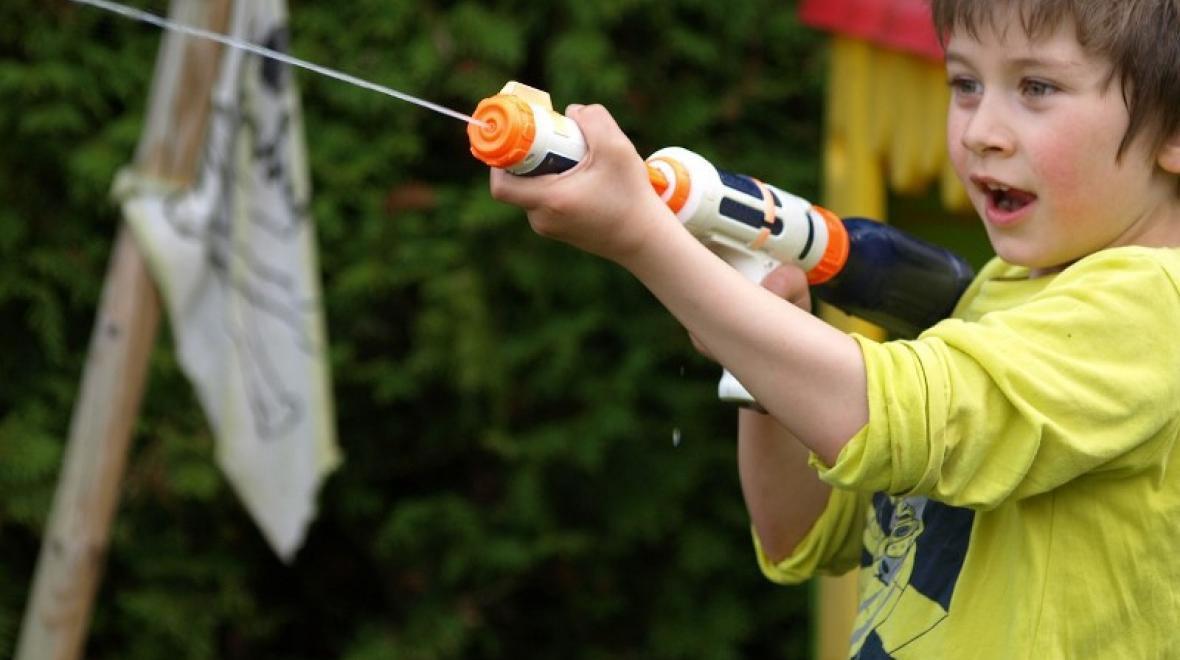
Credit: www.parentmap.com
Frequently Asked Questions
Are Toy Guns Harmful To Children’s Development?
Toy guns can impact children’s behavior if not supervised. They may encourage aggression but also foster creativity and role-play when used responsibly.
How Do Toy Guns Affect Children’s Social Skills?
Toy guns can teach sharing and cooperation during play. However, they might also promote competitive or aggressive interactions if misused.
Can Toy Guns Cause Real-life Safety Concerns?
Yes, toy guns resembling real ones may lead to dangerous misunderstandings. Clear markings and parental guidance reduce safety risks effectively.
Do Toy Guns Promote Violent Behavior In Kids?
Research shows mixed results; some kids mimic aggression, others do not. Parental involvement and context play crucial roles in behavior outcomes.
Conclusion
Toy guns can have both good and bad effects on children. They help kids use their imagination and play with friends. But they can also make some children confused about real and pretend violence. Parents should watch how kids play and explain the difference clearly.
Choosing safe and non-violent toys is important. Understanding each child’s needs helps make better decisions. Playtime should stay fun and safe for every kid. The right guidance makes toy guns less harmful and more enjoyable.
