
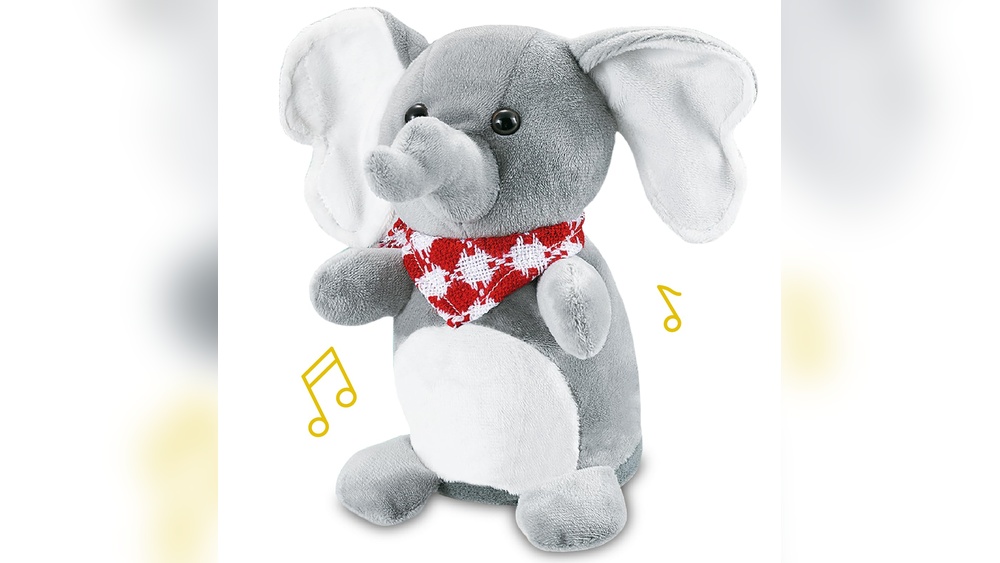
Are talking toys good for babies? If you’ve ever wondered whether these playful gadgets really help your little one learn and grow, you’re not alone.
You want the best for your baby’s development, and choosing the right toys can feel overwhelming. Imagine a toy that talks, sings, and interacts – but does it truly support your baby’s language skills and curiosity? Keep reading to discover how talking toys might impact your baby’s early learning and what you should consider before bringing one home.
Your baby’s future could depend on the choices you make today.
Benefits Of Talking Toys
Talking toys offer many benefits for babies. They help babies learn and grow in fun ways. These toys speak, sing, and respond, creating a lively playtime. Their sounds and words can support early development in several areas.
Parents and caregivers can use talking toys to encourage learning. Babies enjoy the sounds and voices, making play more interesting. This engagement helps build important skills from an early age.
Boosting Language Skills
Talking toys expose babies to new words and sounds. Babies listen and start to recognize speech patterns. Repeating words helps babies practice speaking. These toys support early language learning naturally. They make learning words a fun experience.
Enhancing Cognitive Development
Talking toys challenge babies to think and respond. They encourage problem-solving through interactive play. Babies learn cause and effect by pressing buttons. These toys help improve memory and focus. Cognitive skills grow as babies explore sounds and words.
Encouraging Social Interaction
Talking toys promote social skills by inviting interaction. Babies learn to take turns and listen. They practice communication in a playful way. These toys can also help shy babies open up. Social skills develop through shared play with others.
Stimulating Imagination And Creativity
Talking toys inspire babies to imagine stories and scenarios. They create a world of pretend play. This play boosts creativity and problem-solving. Babies learn to use their imagination freely. Talking toys add excitement to creative playtime.
Credit: www.npr.org
Choosing The Right Talking Toy
Choosing the right talking toy for babies is important. It helps their learning and keeps them safe. Not all talking toys fit every baby’s needs. Parents must know what features suit their child’s age and stage.
Age-appropriate Features
Toys for babies should match their age. Babies under one year need simple sounds and bright colors. Older babies can handle more words and songs. Toys that grow with the child are better choices. They keep the baby interested and support learning.
Safety Considerations
Safety is the top priority for baby toys. Check for small parts that can come off. Avoid sharp edges and toxic materials. Batteries should be secure and out of reach. Toys must meet safety standards to protect babies during play.
Interactive Vs. Passive Toys
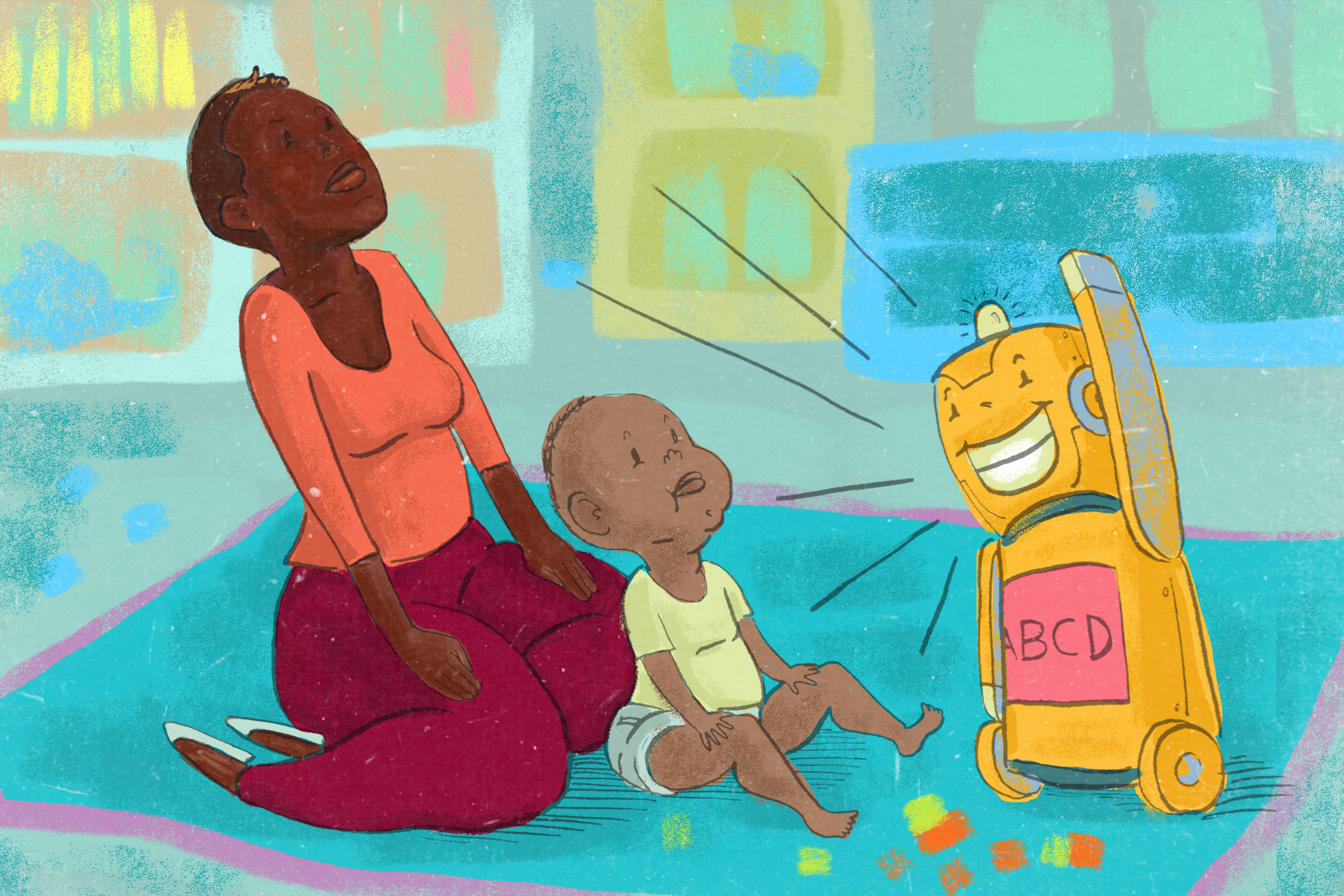
Interactive toys talk back and respond to baby actions. They encourage babies to speak and explore sounds. Passive toys only play sounds without interaction. Interactive toys boost learning more than passive ones. They help babies develop language and motor skills.
Potential Drawbacks To Consider
Talking toys can be fun and educational for babies. Still, there are some important drawbacks to consider. These toys might cause problems if used too much or without care. Parents should know these potential risks to make better choices for their children’s development.
Overstimulation Risks
Talking toys often have bright lights and loud sounds. This can overwhelm a baby’s senses quickly. Overstimulation may lead to fussiness or trouble sleeping. Babies need quiet moments to rest and process new information. Too much noise and activity from toys can make this hard.
Dependence On Electronic Toys
Babies might start to rely too much on talking toys. They may prefer toys that talk instead of interacting with people. This can slow down important social skills. Babies learn best from real-life conversations and facial expressions. Electronic toys can never fully replace human interaction.
Balancing Screen Time And Play
Talking toys often include screens or buttons to press. Too much screen time can affect a baby’s attention span. It also reduces time spent on active, physical play. Balance is important for healthy growth. Combine talking toys with hands-on activities and plenty of free play.

Credit: www.amazon.com
Tips For Maximizing Benefits
Talking toys can help babies learn words and sounds. To get the most from these toys, some simple tips help. These ideas make playtime better and more fun. They also support your baby’s growth in many ways.
Parental Involvement
Parents should join their babies during play with talking toys. Speak clearly and slowly while using the toy. Point to objects and name them aloud. This helps babies connect words to real things. Your voice and attention make learning stronger.
Combining Talking Toys With Traditional Play
Mix talking toys with regular toys like blocks or stuffed animals. This variety keeps babies interested and curious. Traditional play teaches motor skills and creativity. Talking toys add language and sound learning. Both types together create a balanced playtime.
Setting Time Limits
Limit talking toy use to short sessions daily. Too much screen or toy time can tire babies. Short playtimes keep attention and excitement high. Use a timer or watch the baby’s mood. Stop if the baby seems tired or restless.
Expert Opinions And Research Findings
Experts and researchers have studied talking toys and their effects on babies. Their findings help parents decide if these toys support early learning. This section shares key research and advice from pediatricians.
Studies On Language Development
Research shows that talking toys can help babies learn new words. Some studies found that these toys encourage babies to repeat sounds. This practice can improve speech skills over time.
Other studies warn that toys alone cannot replace real human interaction. Babies learn best from talking with parents or caregivers. Talking toys should be a tool, not the main source of language.
Pediatric Recommendations
Pediatricians suggest using talking toys in moderation. They advise combining these toys with face-to-face talking and reading. This mix helps babies understand language better.
Experts also warn about toys that talk too much or too fast. Babies need time to listen and respond. Slow and clear speech from toys is better for learning.
Credit: neurosciencenews.com
Frequently Asked Questions
Are Talking Toys Beneficial For Baby Development?
Yes, talking toys boost language skills and cognitive growth. They engage babies with sounds and words, encouraging early learning and communication.
At What Age Should Babies Use Talking Toys?
Babies can start using talking toys around 6 months. This age is ideal for sensory exploration and early language exposure.
Can Talking Toys Improve A Baby’s Speech Skills?
Talking toys help babies mimic sounds and words. This practice enhances their vocabulary, pronunciation, and overall speech development.
Are Talking Toys Safe For Infants?
Most talking toys are designed with baby safety in mind. Always check for non-toxic materials and avoid small parts to prevent choking hazards.
Conclusion
Talking toys can help babies learn words and sounds early. They keep babies interested and encourage talking. Parents should choose toys that speak clearly and slowly. Too many talking toys might distract babies from real conversations. Balance is key for healthy language growth.
Watching and talking with your baby matters most. Talking toys serve as helpful tools, not replacements. Use them wisely to support your baby’s speech journey.
