
Are standing toys safe for your baby? If you’ve ever wondered whether these popular playthings help or harm your little one, you’re not alone.
You want the best for your child’s growth and safety, but with so many opinions out there, it’s hard to know what to trust. You’ll discover the real facts about standing toys—what benefits they offer, what risks they might bring, and how to use them wisely.
Keep reading to make the best choice for your baby’s health and happiness.
Risks Of Standing Toys
Standing toys are popular among parents and caregivers. They often help babies learn to stand and explore. But these toys come with risks. Understanding these risks helps keep babies safe and supports healthy growth.
Impact On Physical Development
Standing toys may cause babies to rely too much on support. This can weaken their muscles. Babies need to build strength naturally by crawling and pulling up. Using standing toys too early may slow this process.
Potential Safety Hazards
Standing toys can tip over easily. Babies may fall and hurt themselves. Small parts can come loose and cause choking. Unstable toys increase the risk of accidents at home.
Delayed Motor Skills
Babies using standing toys might skip important steps. Skills like crawling, cruising, and balancing can delay. These steps are crucial for full motor development. Rushing to stand may slow overall progress.

Credit: kdfoundation.org
Benefits Of Alternative Toys
Alternative toys offer many benefits for babies’ growth and development. These toys support natural movements and help babies learn new skills safely. They encourage babies to explore their surroundings in a fun way. This helps build strong muscles and important coordination.
Encouraging Crawling And Exploration
Alternative toys motivate babies to crawl and move around. Crawling helps strengthen their arms, legs, and core muscles. It also improves hand-eye coordination. Babies learn about space and objects by exploring. This exploration sparks curiosity and builds confidence.
Promoting Balance And Coordination
Toys designed for sitting or floor play help babies develop balance. They practice shifting weight and controlling movements. These skills are important before standing and walking. Balance and coordination improve step by step with safe practice. This reduces the risk of falls later on.
Supporting Natural Growth Stages
Babies grow at their own pace. Alternative toys respect these natural stages. They allow babies to develop strength and skills gradually. Babies gain confidence by mastering one stage before moving to the next. This approach supports healthy physical and mental growth.
Expert Opinions
Experts have shared their views on standing toys and their effects on babies. These toys are popular but raise questions about safety and development. Understanding expert opinions helps parents make informed choices.
Pediatrician Recommendations
Pediatricians focus on safety and proper growth. They advise supervision when babies use standing toys. Babies need to develop muscle strength before standing for long. Some doctors warn that early standing might stress bones and joints. They suggest limiting standing toy use to short periods. Pediatricians recommend choosing toys with sturdy bases to prevent falls. Regular check-ups help track the baby’s physical progress and readiness.
Child Development Specialist Views
Child development specialists look at motor skills and balance. They believe standing toys can support learning to stand and walk. These toys encourage babies to practice standing safely. Specialists stress the importance of tummy time and crawling first. Standing toys should not replace floor play and natural movement. Experts note that babies need a mix of activities to grow well. Using toys that promote reaching and walking helps overall development.
Credit: www.walmart.com
Choosing Safe Toys
Choosing safe toys is very important for babies. Safe toys help babies learn and grow without risks. Parents must focus on toy safety to protect little ones during play. Understanding what makes a toy safe helps in picking the best options.
Age-appropriate Options
Select toys that match your baby’s age. Toys for older kids may have small parts that babies can choke on. Look for labels that show the recommended age range. Age-appropriate toys support healthy development and avoid hazards.
Material And Design Considerations
Choose toys made from non-toxic materials. Avoid toys with sharp edges or loose pieces. Soft, durable materials are best for babies. Check for smooth surfaces to prevent cuts or scratches. Simple designs reduce risks and encourage safe play.
Supervised Play Tips
Always watch your baby during playtime. Supervision helps prevent accidents with standing toys. Keep play areas clean and free from hazards. Remove broken toys right away. Stay close to guide your baby safely through play.
Parental Experiences
Many parents share their thoughts about standing toys for babies. Some feel worried about safety and development. Others find helpful ways to use these toys. Listening to parents helps us understand real experiences. These stories guide new parents through common challenges and successes.
Common Concerns And Solutions
Parents often worry about standing toys causing falls or strain. Babies might lean too hard or tip over easily. Some parents notice their babies depend too much on toys for standing. These concerns lead to careful supervision. Parents suggest limiting playtime with standing toys. Using mats and soft areas helps reduce injury risk. Many recommend combining standing toys with floor play to encourage natural movement. Some parents talk to pediatricians for advice on safe use.
Success Stories With Alternative Toys
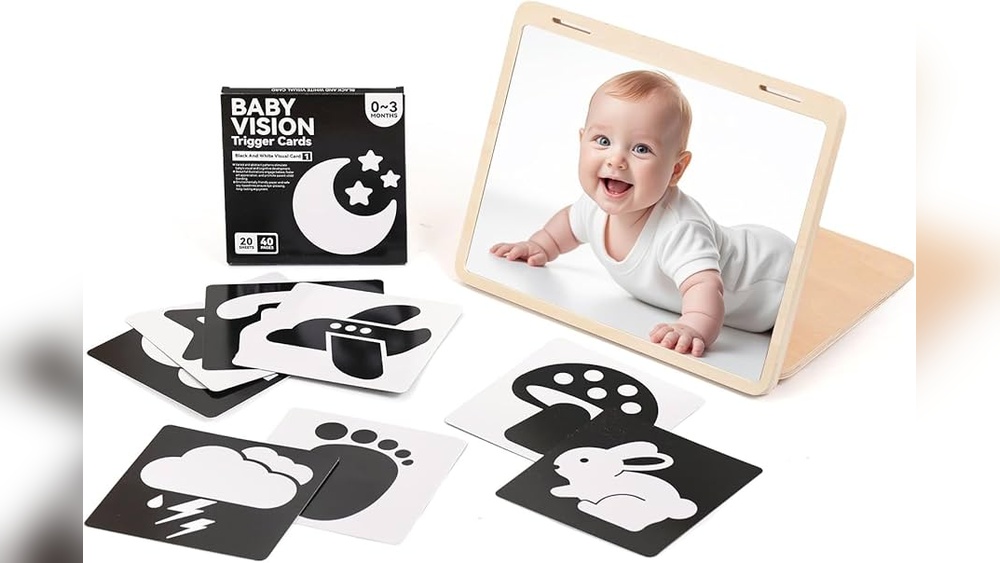
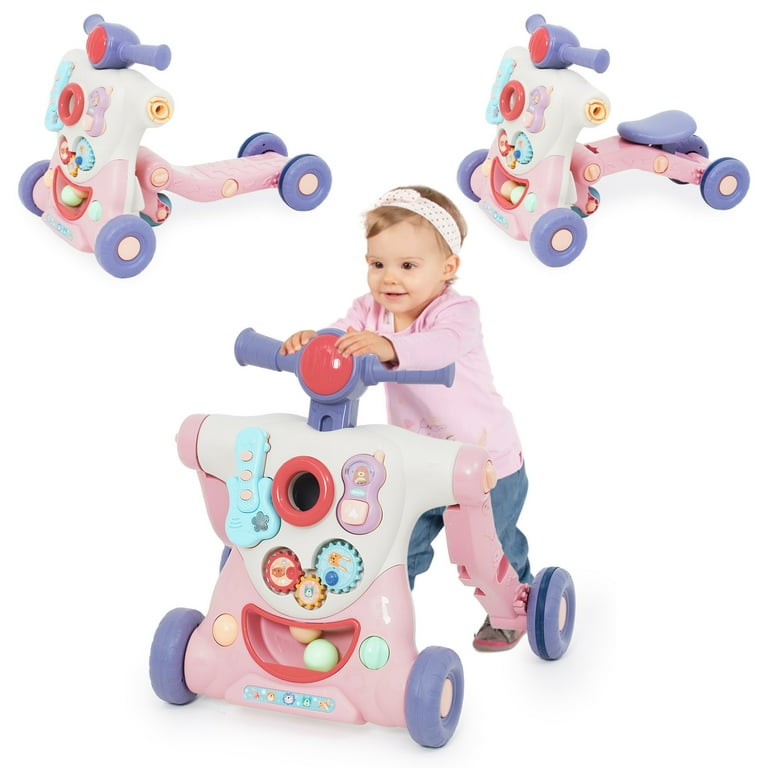
Some parents share success with other toys instead of standing ones. Soft blocks, push carts, and crawling tunnels get great reviews. These toys promote balance and muscle strength without forcing standing. Babies enjoy exploring at their own pace. Parents say these toys build confidence and help motor skills. Many notice happier babies and fewer accidents. Alternative toys often fit better in small spaces. Parents appreciate toys that grow with the baby’s ability.

Credit: www.amazon.com
Frequently Asked Questions
Are Standing Toys Safe For Babies To Use?
Standing toys are generally safe when used under supervision. They promote motor skills but should match the baby’s age and ability.
Can Standing Toys Delay A Baby’s Walking?
No, standing toys usually encourage walking by helping babies practice balance and strength. Proper use supports natural development.
What Age Is Best To Introduce Standing Toys?
Introduce standing toys around 9 to 12 months when babies can support themselves. Early use may cause frustration or injury.
Do Standing Toys Improve A Baby’s Coordination?
Yes, standing toys help improve coordination by encouraging movement and balance. They stimulate physical and cognitive growth simultaneously.
Conclusion
Standing toys can help babies explore and learn to balance. They offer fun and support but need careful use. Watch your baby closely to keep them safe. Choose toys that fit your baby’s age and skills. Don’t rely on standing toys alone for development.
Babies also need floor play and tummy time. Balance fun with safety and variety for best growth. Always trust your instincts as a parent or caregiver. Safe play builds strong and happy babies.
