
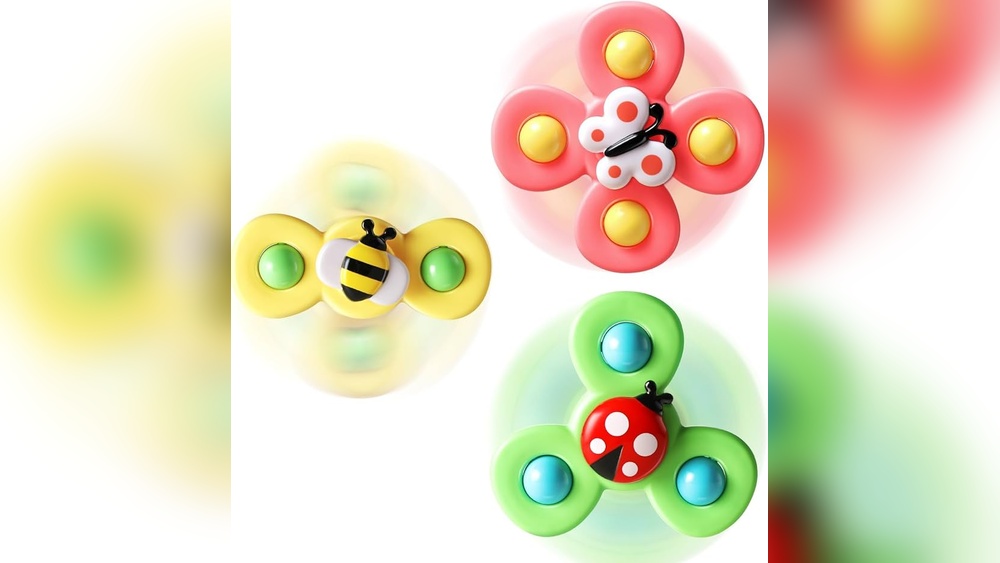
Are you wondering if spinner toys are a good choice for your baby? You want what’s best for your little one, and it’s natural to ask if these colorful, spinning gadgets can help with their growth and fun.
Spinner toys have become popular, but do they really benefit your baby’s development? Keep reading to discover the surprising facts about spinner toys and how they might fit into your baby’s playtime safely and smartly.
Benefits Of Spinner Toys
Spinner toys offer many benefits for babies. They are simple but can help in several ways. These toys keep babies engaged and support their growth. Babies enjoy the spinning motion and bright colors. This interest leads to important learning moments.
Here are some key benefits of spinner toys for babies.
Enhancing Motor Skills
Spinner toys help babies practice hand movements. Grasping and spinning the toy improves finger strength. This action supports fine motor skill development. Babies also learn to coordinate both hands. These skills are important for later tasks like writing.
Boosting Focus And Attention
The spinning motion attracts babies’ eyes and mind. Watching the toy spin helps improve focus. Babies learn to watch objects for longer times. This practice builds attention skills step by step. Better focus aids learning and exploring new things.
Stimulating Sensory Development
Spinner toys provide visual and tactile stimulation. Bright colors and smooth movement catch babies’ eyes. Touching the toy gives a sense of texture. These sensory experiences support brain growth. Sensory play helps babies understand the world around them.

Credit: www.amazon.com
Safety Considerations
Safety is the top priority when choosing spinner toys for babies. Babies explore by putting things in their mouths. Small parts or sharp edges can cause harm. Understanding safety helps parents pick the right toy.
Choosing Age-appropriate Spinners
Select spinners made for babies’ age. Toys for older kids may have small parts. Babies under three need bigger, simple designs. Check the toy’s label for age recommendations.
Age-appropriate spinners reduce choking risks. They also match babies’ motor skills. This keeps play fun and safe at the same time.
Material And Build Quality
Choose spinners made from non-toxic materials. Look for BPA-free plastic or natural wood. Smooth surfaces without sharp edges prevent cuts. Strong build stops parts from breaking off.
Good quality means the spinner lasts longer. It also keeps babies safe during play. Avoid cheap toys with loose components or paint that peels.
Supervision Tips
Always watch babies while they use spinners. Supervision stops accidents before they happen. Stay close to help if the toy breaks or gets stuck.
Never leave babies alone with spinners. Even safe toys can become risky without an adult nearby. Supervision makes playtime both safe and fun.
Comparing Spinner Toys To Other Toys
Spinner toys offer a unique way to engage babies. Their spinning motion captures attention and encourages hand-eye coordination. Comparing spinner toys to other baby toys helps understand their benefits and limitations.
Different toys serve different purposes. Some focus on sound, others on touch or movement. Knowing how spinner toys match up against common toys can guide parents in choosing the best options.
Spinner Toys Vs Traditional Rattles
Traditional rattles make noise when shaken. This sound helps babies learn cause and effect. Spinner toys do not usually make noise but focus on visual movement.
Rattles are easy for babies to hold and shake. Spinner toys require some hand control to spin. This can help develop fine motor skills faster.
Rattles provide auditory stimulation. Spinner toys offer visual and tactile stimulation. Both are useful but engage babies in different ways.
Spinner Toys Vs Soft Plush Toys
Soft plush toys provide comfort and are safe to cuddle. Babies often use plush toys for soothing. Spinner toys are more about play and skill development.
Plush toys encourage touch and emotional bonding. Spinner toys encourage movement and focus. They can complement each other in a baby’s toy collection.
Plush toys do not improve hand coordination as much. Spinner toys help improve dexterity and concentration. Both types are important for overall growth.

Credit: inspireptforkids.com
When To Introduce Spinner Toys
Introducing spinner toys to babies can be a fun way to support their growth. Choosing the right time helps keep play safe and enjoyable. Observing your baby’s development guides the perfect moment to start.
Ideal Age Range
Spinner toys suit babies around 6 months old. At this age, babies begin to grab and hold objects. Their hand-eye coordination starts to develop. This makes spinners a good choice to practice these skills. Avoid giving spinners too early to prevent choking risks. Always select spinners made for babies with safe materials.
Signs Your Baby Is Ready
Your baby shows interest in toys by reaching out or grabbing. They can hold small objects steadily. Babbling or smiling while playing indicates enjoyment. Babies who sit with support handle toys better. Watch for curiosity and focus on spinner movement. These signs suggest your baby is ready to try spinner toys.
Tips For Using Spinner Toys Effectively
Using spinner toys with babies can be fun and helpful. These toys can boost hand-eye coordination and focus. To get the best from spinner toys, try some simple tips. These tips help make playtime safe and enjoyable. They also support your baby’s learning and growth.
Incorporating Playtime
Set aside a small time each day for spinner play. Sit with your baby and show how the toy spins. Use gentle words to describe the motion. Let your baby watch and touch the spinner. This shared time builds trust and interest. Keep play sessions short to match your baby’s attention span.
Encouraging Independent Exploration
Place the spinner toy within easy reach for your baby. Let them hold and explore it alone. Watch quietly without stepping in too soon. Babies learn by trying and touching. Let them discover how the spinner moves and sounds. This builds confidence and curiosity in play.
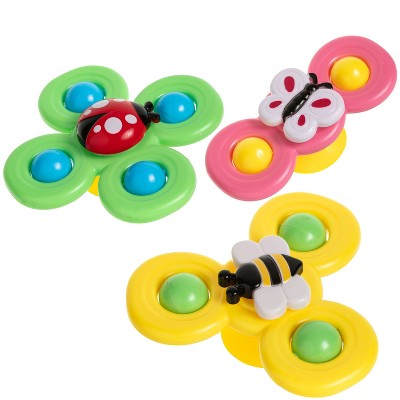
Credit: www.target.com
Frequently Asked Questions
Are Spinner Toys Safe For Babies?
Spinner toys are generally safe if designed for infants. Always check for non-toxic materials and avoid small parts that pose choking risks.
What Benefits Do Spinner Toys Offer Babies?
Spinner toys help develop fine motor skills, hand-eye coordination, and sensory exploration, promoting cognitive and physical growth in babies.
When Can Babies Start Using Spinner Toys?
Babies can start using spinner toys around 6 months, once they develop basic hand control and curiosity about objects.
How To Choose The Best Spinner Toy For Babies?
Choose spinner toys with bright colors, smooth edges, and durable, non-toxic materials to ensure safety and engagement for babies.
Conclusion
Spinner toys can offer fun and simple ways to keep babies entertained. They help develop hand-eye coordination and focus. Babies enjoy watching the spinning motion and touching the toy. Parents should choose safe, age-appropriate spinners made from soft materials. Always supervise playtime to avoid small parts risks.
Spinner toys are not the only option but can be a helpful addition. They support early learning through play. Keep toys clean and check for wear regularly. Overall, spinner toys can be a good choice for baby play.
