
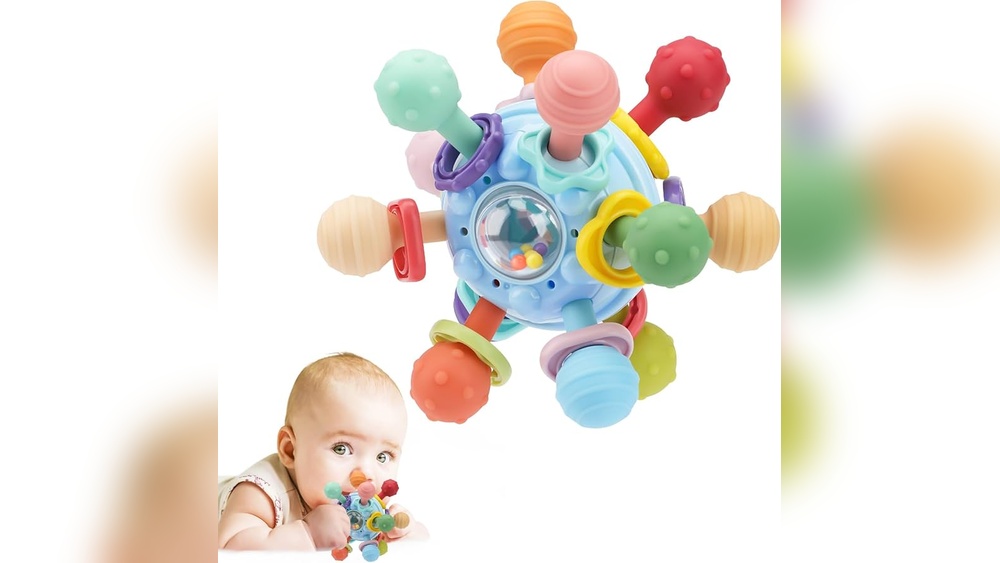
If you’re a parent or caregiver, you want the best for your baby—especially when it comes to their safety. When those tiny teeth start coming in, finding the right teething toy can feel overwhelming.
You’ve probably seen silicone teething toys everywhere and wondered, “Are these really safe for my little one? ” This question matters because your baby’s health and comfort depend on it. Keep reading, and you’ll discover clear, trustworthy answers about silicone teething toys—so you can make the best choice for your baby’s happy, healthy smile.
Benefits Of Silicone Teething Toys
Silicone teething toys offer many benefits for babies and parents. They provide comfort to sore gums and are safe for babies to chew on. Parents appreciate these toys for their practical features and ease of use. Understanding these benefits helps in choosing the right teething toy.
Softness And Texture
Silicone teething toys have a soft, gentle feel that soothes babies’ gums. Their smooth texture prevents irritation during chewing. The slight firmness gives babies relief while biting. Different shapes and textures keep babies interested and engaged.
Durability And Longevity
Silicone is strong and resists damage from chewing. These toys do not break or crack easily. They last through many teething stages. This durability makes them a good investment for parents.
Ease Of Cleaning
Silicone teething toys are easy to clean and keep hygienic. They can be washed with soap and water or sterilized. Their non-porous surface stops bacteria from hiding. This makes them safer for babies to use daily.
Materials Used In Silicone Toys
Silicone teething toys have become popular choices for babies. Parents want to know what materials make these toys safe. Understanding the materials helps ensure babies chew on safe products.
Silicone toys are made with specific components to keep babies safe. These parts must be free from harmful substances and strong enough to last. Below are key materials used in making silicone teething toys.
Food-grade Silicone
Food-grade silicone is the main material in safe teething toys. It is pure and safe for direct contact with the mouth. This silicone does not contain harmful chemicals or toxins. It is soft but durable, perfect for baby gums.
This type of silicone meets strict safety standards. It is also heat resistant and easy to clean. Food-grade silicone ensures no dangerous substances leach into the baby’s mouth.
Non-toxic Additives
Manufacturers add non-toxic substances to improve silicone toys. These additives make the toys flexible and colorful. They must be safe for babies and not cause allergies.
Only approved, safe additives are used in high-quality silicone toys. This keeps the toy safe while adding features like color or softness.
Avoiding Harmful Chemicals
Safe silicone toys avoid harmful chemicals like BPA, phthalates, and lead. These substances can cause health problems for babies. Responsible brands test products to ensure these toxins are not present.
Parents should check labels and choose silicone toys without these chemicals. This reduces health risks and protects babies during teething.
Safety Standards And Certifications
Safety is the top priority when choosing silicone teething toys for babies. Parents want products that meet high standards. Certifications and safety marks help ensure toys are safe to use. These standards reduce risks like choking, poisoning, or allergic reactions.
Understanding common safety certifications can help parents make better choices. These marks show that the product passed strict tests. They check for harmful chemicals, durability, and cleanliness. Let’s explore the key safety standards and certifications for silicone teething toys.
Fda Approval
The FDA approves many baby products, including teething toys. This approval means the toy is made from safe materials. The FDA tests for toxic chemicals and harmful substances. Products with FDA approval meet strict safety rules. This approval gives parents confidence in the product’s safety.
Bpa-free Labels
BPA is a chemical that can harm babies. Many plastics contain BPA, but silicone toys often do not. BPA-free labels mean no bisphenol A is in the product. Choosing BPA-free toys reduces health risks. This label is important for baby products used daily.
International Safety Marks
Several countries have safety marks for baby products. Examples include CE in Europe and ASTM in the USA. These marks show the toy meets local safety laws. They test for choking hazards and material safety. Toys with international marks are tested and trusted worldwide.

Credit: moonkieshop.com
Potential Risks And Precautions
Silicone teething toys are popular for soothing babies’ gums. Still, some risks need attention. Knowing these risks helps keep babies safe and happy. Parents should take simple steps to avoid problems.
Choking Hazards
Small parts or broken pieces can cause choking. Always check the toy for damage before giving it to a baby. Choose toys that are one solid piece without small parts. Avoid toys that can easily break or tear.
Allergic Reactions
Some babies may have skin sensitivity to silicone. Watch for redness, rash, or swelling around the mouth. Stop using the toy if any reaction happens. Choose silicone products labeled as hypoallergenic and BPA-free.
Proper Use And Supervision
Always supervise babies while they use teething toys. Keep the toys clean by washing them regularly with warm water and mild soap. Replace toys that show signs of wear or damage. Use teething toys only as intended, not as a pacifier or chew toy for older children.
Cleaning And Maintenance Tips
Keeping silicone teething toys clean is very important for your baby’s health. Proper cleaning helps remove germs and keeps the toys safe. Regular care also makes the toys last longer and stay soft for teething comfort.
Sterilization Methods
Boil silicone teething toys in water for five minutes to kill germs. Use a steam sterilizer if you have one. Avoid harsh chemicals; warm soapy water works well for daily cleaning. Rinse toys thoroughly to remove soap before giving them to your baby.
Avoiding Damage During Cleaning
Do not use abrasive scrubbers or brushes that can tear the silicone. Avoid bleach or strong cleaners that may harm the material. Gently wipe toys with a soft cloth or sponge. Check toys regularly for cracks or damage and replace if needed.
Storage Recommendations
Store silicone teething toys in a clean, dry place. Use a sealed container to keep dust and dirt away. Avoid placing toys in direct sunlight to prevent material breakdown. Keep toys separate from other items to avoid contamination.

Credit: www.amazon.com
Comparing Silicone To Other Materials
Choosing the right teething toy material matters for your baby’s safety and comfort. Silicone stands out as a popular choice. Comparing it with other materials helps to understand its benefits and drawbacks. Each material has unique features that affect durability, safety, and ease of cleaning.
Silicone Vs. Plastic
Silicone is softer than plastic, making it gentle on baby gums. Plastic may contain harmful chemicals like BPA. Silicone is usually free from toxic substances. It also resists heat well, so cleaning with hot water is safe. Plastic can crack or break, creating small parts that are choking hazards. Silicone is more flexible and less likely to break.
Silicone Vs. Wood
Wood is a natural material with a firm texture. It is eco-friendly but may splinter if not treated properly. Silicone is smooth and soft, reducing injury risk. Cleaning wood teething toys is harder as they absorb moisture. Silicone is waterproof and easy to clean with soap and water. Wood toys can last long but need more care.
Silicone Vs. Natural Rubber
Natural rubber is soft and flexible, similar to silicone. Some babies may have allergies to rubber. Silicone rarely causes allergic reactions. Rubber can degrade over time and has a distinct smell. Silicone is odorless and more durable. Both materials are safe but silicone offers easier maintenance and longer use.
Signs Of Wear And When To Replace
Silicone teething toys are made to be safe and durable. Still, parents must watch for signs of wear. Worn toys can break or cause harm. Knowing when to replace them keeps babies safe and happy.
Cracks And Tears
Check toys often for cracks or tears. Tiny breaks can trap dirt and germs. Sharp edges might hurt your baby’s gums. Replace toys showing any damage right away.
Discoloration
Discoloration can mean the toy is old or dirty. It may also show mold or bacteria growth. A faded or stained toy should be cleaned well. If stains stay, it’s time to get a new one.
Loss Of Shape
Teething toys must keep their shape to work well. Soft or misshapen toys may not soothe gums properly. If a toy looks squished or bent, replace it. This ensures your baby chews safely and comfortably.
Credit: www.target.com
Frequently Asked Questions
Are Silicone Teething Toys Non-toxic For Babies?
Silicone teething toys are generally non-toxic and safe. They are BPA-free, phthalate-free, and made from food-grade silicone. Always check product certifications to ensure safety. High-quality silicone toys reduce the risk of harmful chemicals and are gentle on babies’ gums.
How Do Silicone Teething Toys Help Soothe Teething Pain?
Silicone toys provide a soft, chewable surface that massages sore gums. Their flexible texture helps relieve discomfort and reduces fussiness. Some toys can be cooled in the fridge for extra soothing relief during teething episodes.
Can Silicone Teething Toys Harbor Bacteria Easily?
Silicone is non-porous, making it less likely to harbor bacteria. Regular cleaning with warm soapy water or sterilizing is essential. Proper hygiene keeps the toys safe and hygienic for babies to chew on.
Are Silicone Teething Toys Durable And Long-lasting?
Yes, silicone teething toys are highly durable and resistant to wear. They withstand chewing without breaking or cracking. This makes them a cost-effective and safe choice for teething babies.
Conclusion
Silicone teething toys offer a safe and gentle option for babies. They are soft, durable, and free from harmful chemicals. Parents can trust these toys to soothe sore gums effectively. Always choose products from trusted brands with safety certifications. Clean the toys regularly to keep germs away.
Babies enjoy chewing on silicone toys, which helps their comfort. Safety matters most when selecting teething tools. Silicone teething toys provide peace of mind and relief. Simple, safe, and easy to clean—perfect for little ones.
