
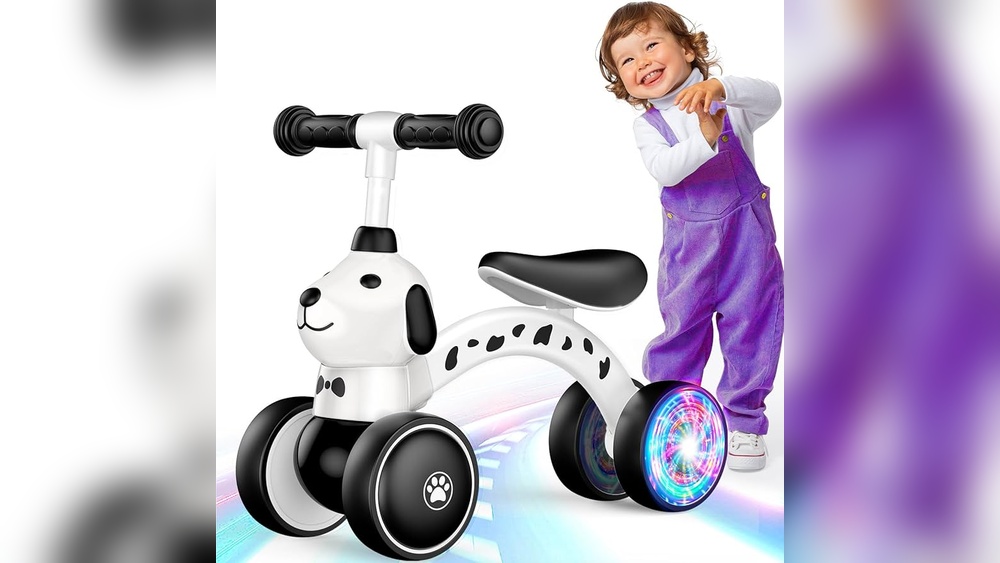
Are you wondering if riding toys are truly safe for your kids? You want them to have fun, but safety is your top priority.
Riding toys can bring endless joy and help your child develop balance and coordination. However, not all toys are created equal, and some might pose hidden risks. You’ll discover what makes a riding toy safe, the common dangers to watch out for, and how you can protect your little ones while they play.
Keep reading to ensure your child’s playtime stays both exciting and safe.
Safety Risks Of Riding Toys
Riding toys offer fun and exercise for kids. Still, safety risks exist that parents should know. Understanding these risks helps keep children safe and happy while they play. Awareness of hazards and proper supervision reduce accidents and injuries.
Common Injuries And Hazards
Falls cause most injuries from riding toys. Kids can scrape knees, elbows, or hands. More serious injuries include broken bones or head bumps. Collisions with objects or other kids also happen. Loose parts or poor toy design increase risks. Riding near streets or uneven ground adds danger. Safety gear like helmets and pads lowers injury chances.
Age And Skill Considerations
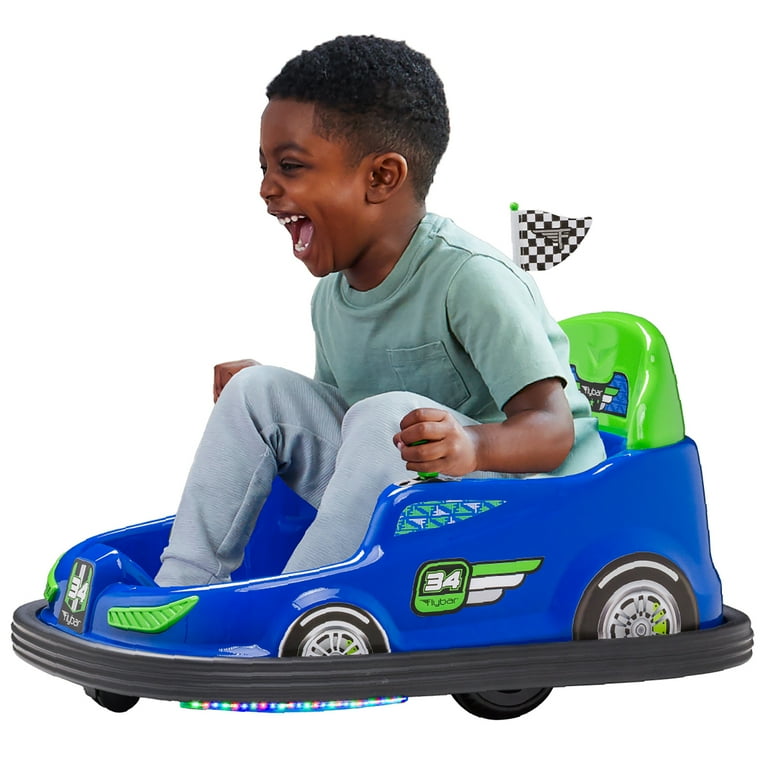
Not all riding toys fit every age. Toys often have recommended age ranges. Younger children need simpler, slower toys. Older kids can handle faster and more complex toys. Skills matter too. Children must know how to balance and steer. Parents should watch kids closely during play. Teaching safe riding habits helps prevent accidents.

Credit: www.walmart.com
Choosing The Right Riding Toy
Choosing the right riding toy is very important for your child’s safety and fun. The right toy helps your child learn balance and coordination. It also keeps them safe from injuries. Not all riding toys are the same. Some are better suited for certain ages and skill levels. Picking the best one means checking its material, build, and design.
Material And Build Quality
Strong materials make riding toys last longer and stay safe. Look for toys made of sturdy plastic, metal, or wood. Avoid toys with sharp edges or loose parts. Check that the paint or finish is non-toxic. Good quality toys hold up well against rough play. They also reduce the risk of breaking and causing harm.
Age-appropriate Designs
Riding toys come in different sizes and styles for each age group. Toddlers need small, low-to-the-ground toys with wide bases. Older kids can use bigger toys with more features. Age-appropriate toys match your child’s strength and skill. They also help improve confidence and balance. Always check the age label on the toy before buying.
Essential Safety Gear
Essential safety gear protects children while they enjoy riding toys. It reduces the risk of injuries and boosts confidence. Using the right gear encourages safe play and teaches good habits early.
Helmets And Pads
Helmets are the most important safety gear for any riding activity. They protect the head from serious injury. Always choose a helmet that fits well and meets safety standards.
Knee pads, elbow pads, and wrist guards protect other vulnerable areas. These pads cushion falls and prevent scrapes or fractures. Wearing them helps children feel safer and ride more confidently.
Proper Clothing And Footwear
Clothing should cover arms and legs to protect against scrapes. Avoid loose clothes that can get caught in wheels or pedals. Bright colors improve visibility outdoors.
Shoes must fit well and cover the entire foot. Closed-toe shoes with good grip prevent slips and injuries. Sandals or flip-flops are not safe for riding toys.
Credit: www.walmart.com
Safe Riding Practices
Safe riding practices help keep children secure while using riding toys. These practices reduce the risk of injuries and make playtime fun. Parents and caregivers play a key role in creating a safe riding experience. Teaching kids the right way to use riding toys builds good habits early on.
Supervision And Environment
Always watch children closely when they use riding toys. Stay near them and be ready to help if needed. Choose safe places for riding. Avoid busy streets and uneven surfaces. Flat, open areas with soft ground work best. Remove obstacles and sharp objects from the riding path. Check the weather. Wet or icy surfaces can cause slips and falls.
Rules For Riding Toys
Set clear rules before kids start riding. Tell them to wear helmets and protective gear. No riding too fast or pushing others. Teach kids to stop before crossing roads or paths. Explain the importance of using toys for their age. No standing on toys designed for sitting. Encourage safe turns and stopping carefully. Praise good riding behavior to keep them motivated.
Maintenance And Inspection
Maintenance and inspection are key to keeping riding toys safe for kids. Regular care helps spot problems early. This prevents accidents and extends the toy’s life.
Check the toy often. Look for any damage or loose parts. Make sure everything works well before each use.
Regular Checks For Wear And Tear
Look at wheels, handles, and seats. Check for cracks, sharp edges, or broken pieces. Tighten any loose screws or bolts. Replace worn-out parts quickly. Worn tires or broken pedals can cause falls.
Keep an eye on moving parts. They should move smoothly without noise. If something feels stiff or wobbly, fix it right away. Regular checks keep the toy safe and fun.
Safe Storage Tips
Store riding toys in dry, clean places. Avoid wet or hot spots that can damage materials. Keep toys off the ground to prevent rust or dirt. Use a shed or garage if possible.
Proper storage stops wear and tear from weather. It also keeps toys ready for use anytime. A safe space protects both the toy and your child.

Credit: www.microcomenviro.com
Frequently Asked Questions
Are Riding Toys Safe For Toddlers?
Riding toys are generally safe for toddlers when age-appropriate and supervised. Always check for safety certifications and sturdy designs to prevent accidents.
What Safety Features Should Riding Toys Have?
Look for features like stable bases, smooth edges, non-toxic materials, and secure seat belts. These ensure better protection for kids during play.
How To Supervise Kids Using Riding Toys Safely?
Always watch children closely while they ride. Ensure they wear helmets and use toys in safe, traffic-free areas to minimize injury risks.
Can Riding Toys Cause Injuries To Children?
Injuries can occur from falls or collisions. Proper supervision, safety gear, and choosing age-appropriate toys greatly reduce these risks.
Conclusion
Riding toys can be safe if used the right way. Always check the toy’s quality and age guidelines. Teach kids to wear helmets and protective gear. Supervise children during play to avoid accidents. Keep the play area clear and safe.
Choosing the right toy helps kids enjoy and learn. Safety matters most for happy, worry-free playtime. Trust your judgment and keep safety first. Kids can have fun and stay safe together.
